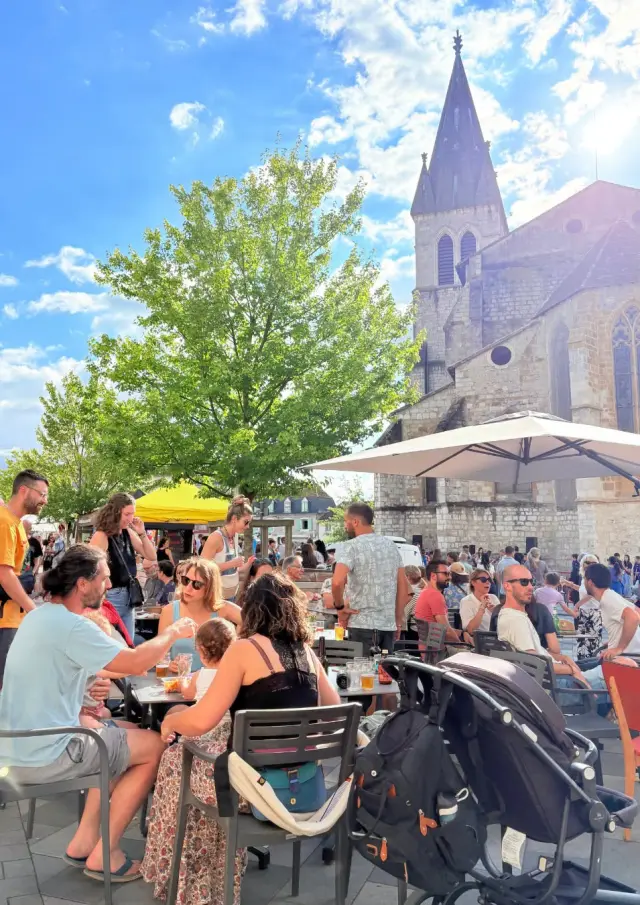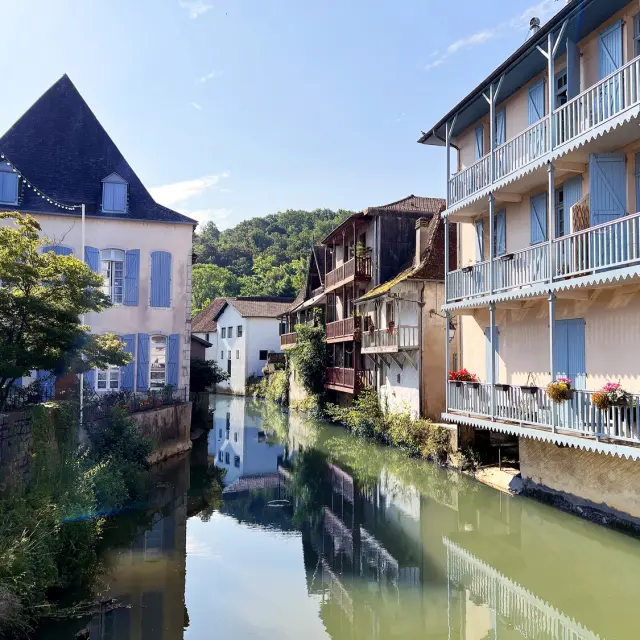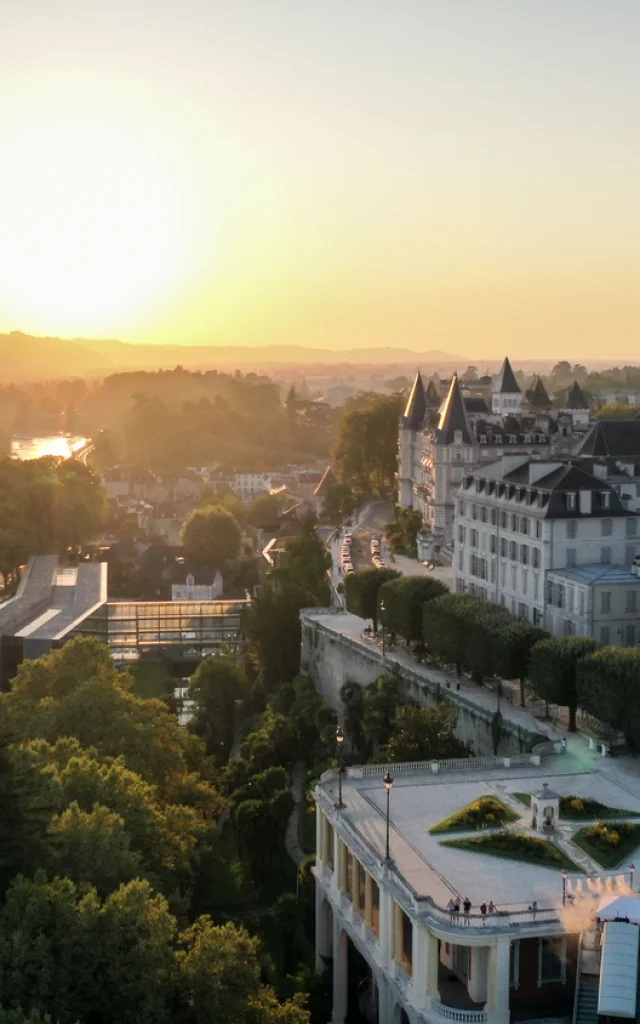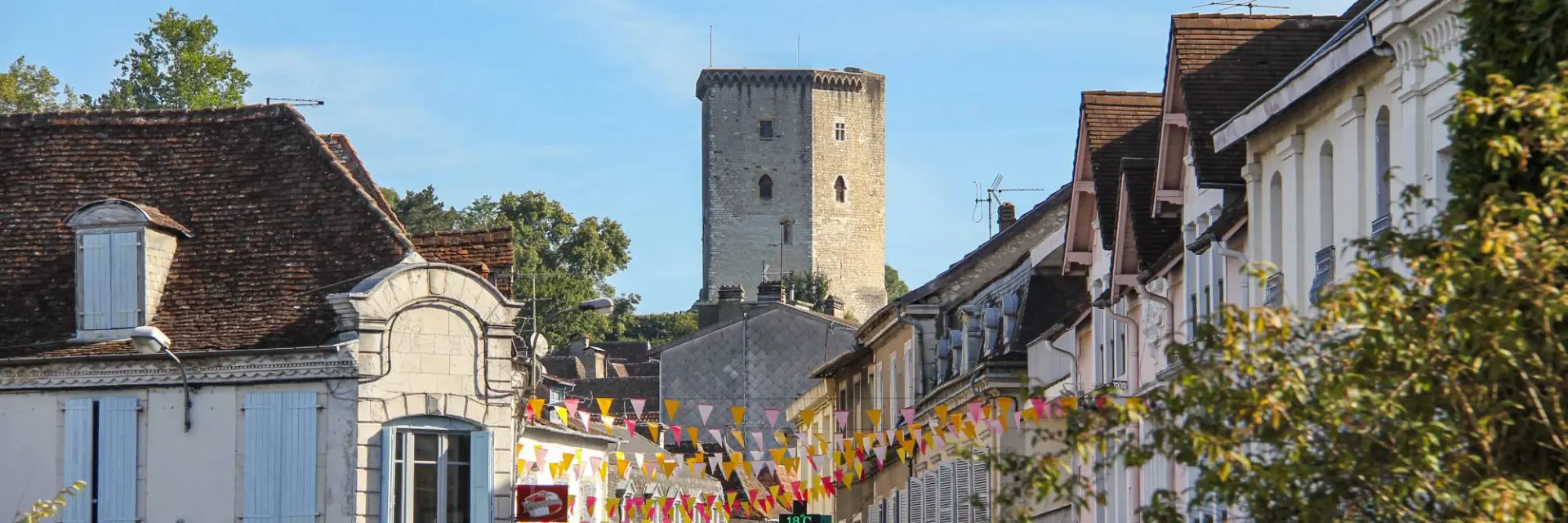
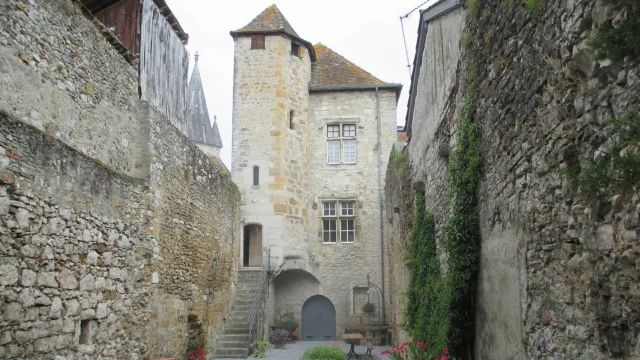
Orthez Town Centre Chateau Moncade Ot Coeur De Bearn
©

Orthez Town Centre Chateau Moncade Ot Coeur De Bearn

|

Office de Tourisme Coeur de Béarn

A day in Orthez No car!

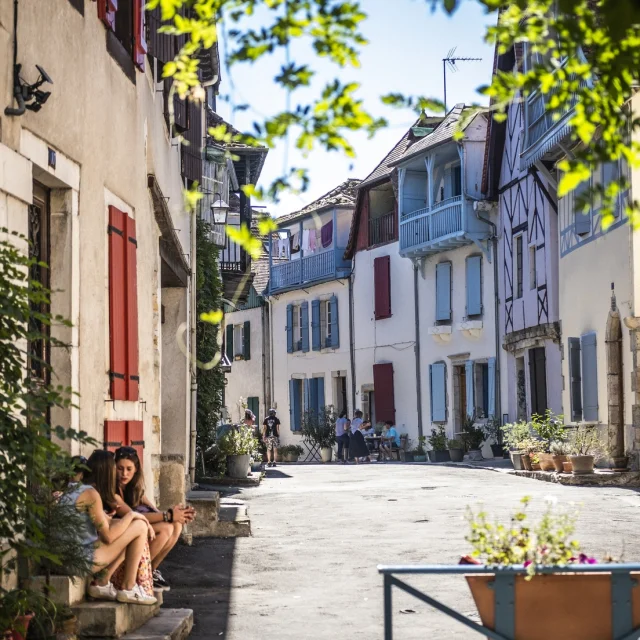
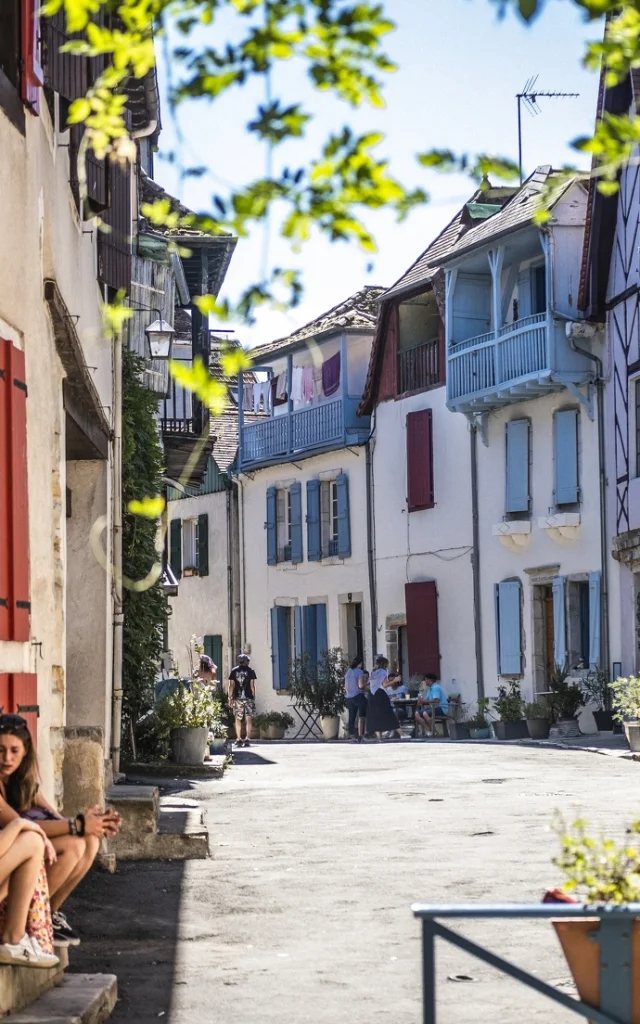
I’m exploring Orthez on foot, without sticking to a strict itinerary. I’m letting myself be guided by the monuments, the narrow streets, the hidden gems and the stories that pop up as I round a corner. Here, medieval heritage, Béarn culture and Protestant history blend together naturally: you just need to take the time to look, listen and pop into a few places.

Cécile, a tireless explorer

Dynamic hiker, ready to reveal for your greatest pleasure, my favorites and hidden corners...

We’re heading to Orthez

Transport tip:
BY COACH
Departure on bus route 520 at 7.53 am from Pau SNCF station (multimodal hub) with Transports Nouvelle Aquitaine.
Arrival at Place d’Armes at 8.57 am (in the city centre). Fare: €4.50 return.
Tickets can only be purchased on board the bus and payment is by cash only.

BY TRAIN
Departure from Pau at 9.19 am from the SNCF station – TER lines L52 or L53 towards Orthez.
Arrival in Orthez at 9.43 am (plus a 10-minute walk to the centre).
Fare: €10.10
(Please check timetables and fares in advance on the SNCF Connect website)
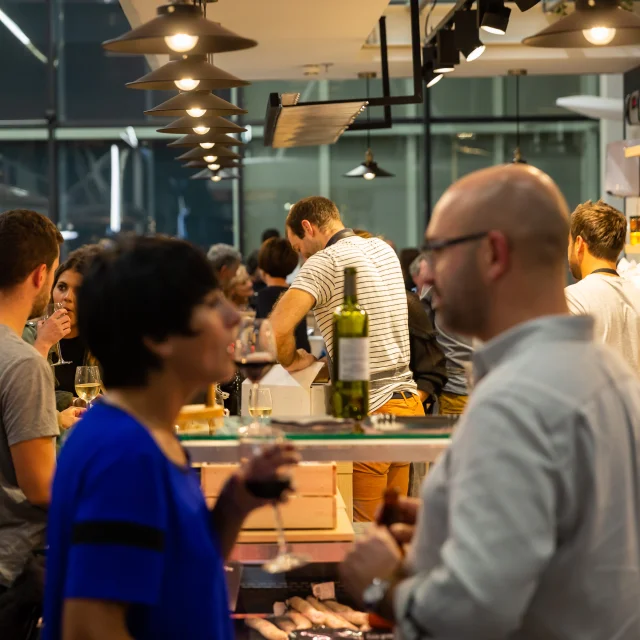
At around 10 am... The market Local products

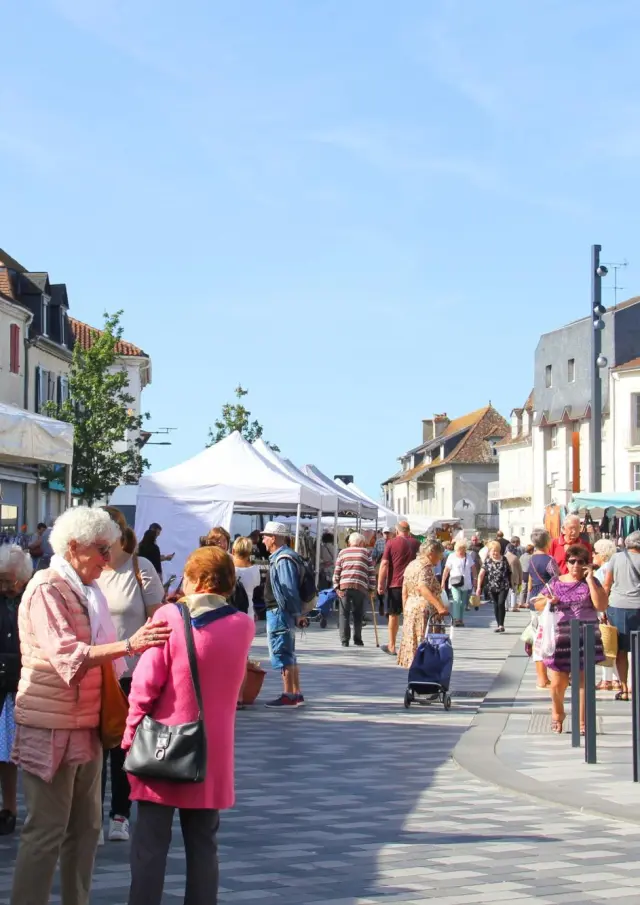
I’ve decided to start exploring Orthez on Tuesday, market day. The town centre comes alive around the market stalls; conversations flow, shopping baskets fill up and the stallholders take the time to exchange a few words.

I wander amongst the local produce and specialities of the South-West, drawn in by the smells, the colours and that warm atmosphere which immediately sets the tone for the day.
It’s a lovely way to get to know Orthez through what makes it most vibrant: its spirit of sharing, its producers and the Béarn way of life.

Every Tuesday from 7.30 am to 1.30 pm

At around 10.45 am... The Jeanne d'Albret Museum The Protestant Witness

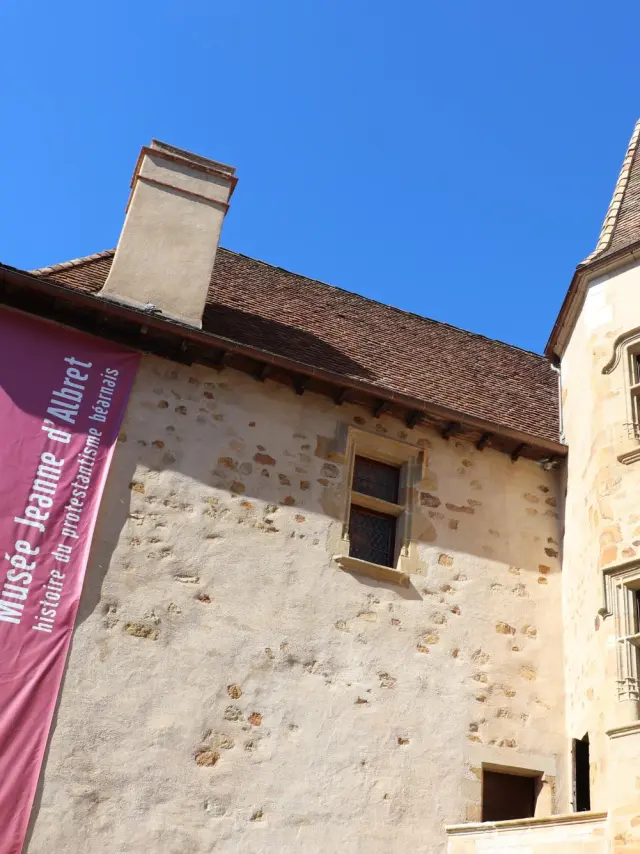
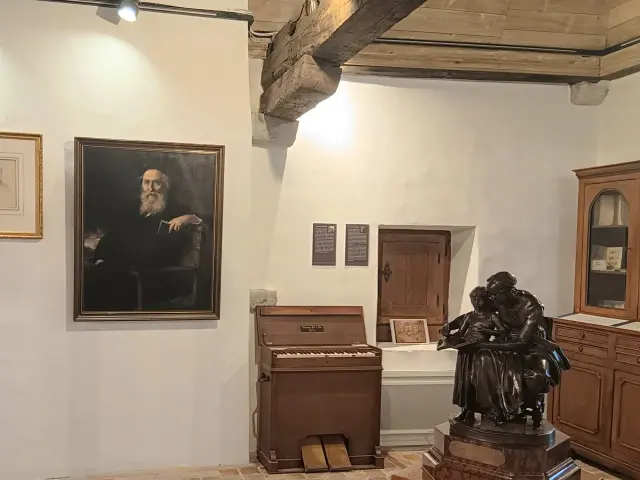
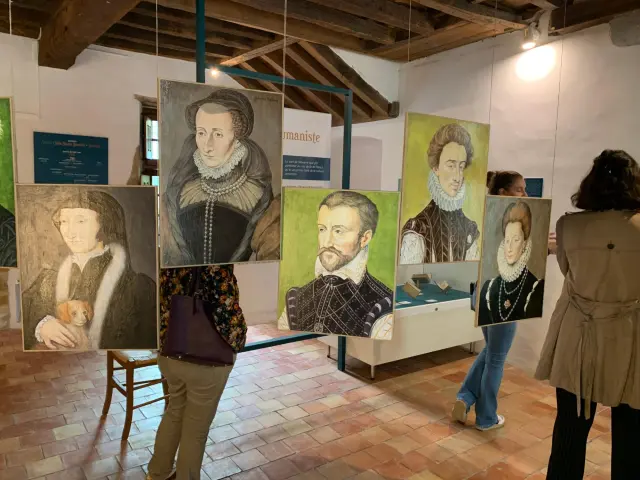
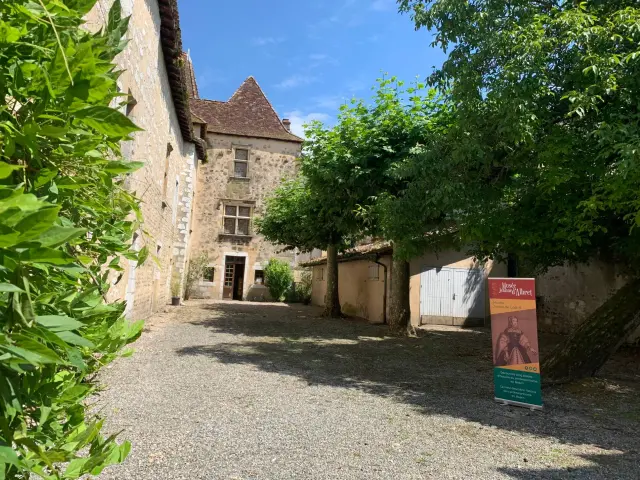
After the hustle and bustle of the market, I’m looking for a change of scene. I head for the Jeanne d’Albret Museum, housed in a historic building in the town centre. Here, I trace 500 years of history, from the origins of the Reformation right through to the 20th century.
Through the ancient artefacts, archives and accounts, I discover just how deeply Protestant history has shaped Orthez and the Béarn region. Little by little, the town reveals a different side to itself: I gain a better understanding of the role it played when it was one of the region’s major intellectual centres.
As I step outside, I’m already looking at the streets in a different light. The façades, squares and cobblestones I’ve passed since this morning take on a new depth. History is always there, discreet yet very much present.

At around 12 noon... At lunchtime In the heart of the old town...

After a morning spent exploring the market and local heritage, it’s time to sit down for a bite to eat.
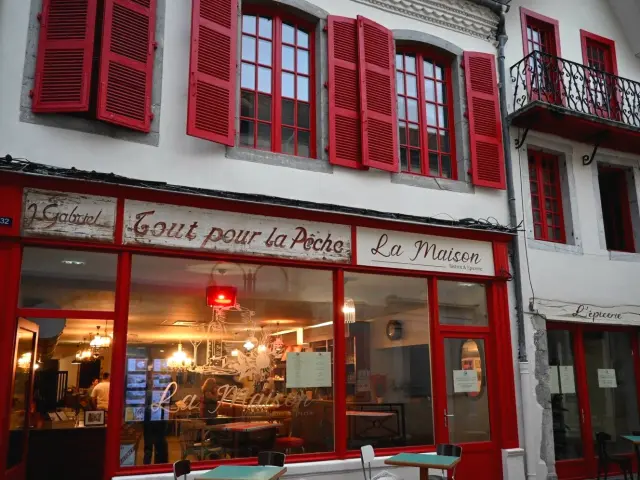
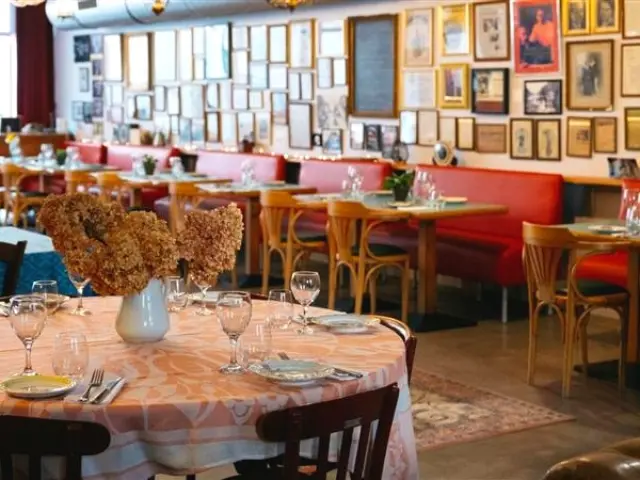
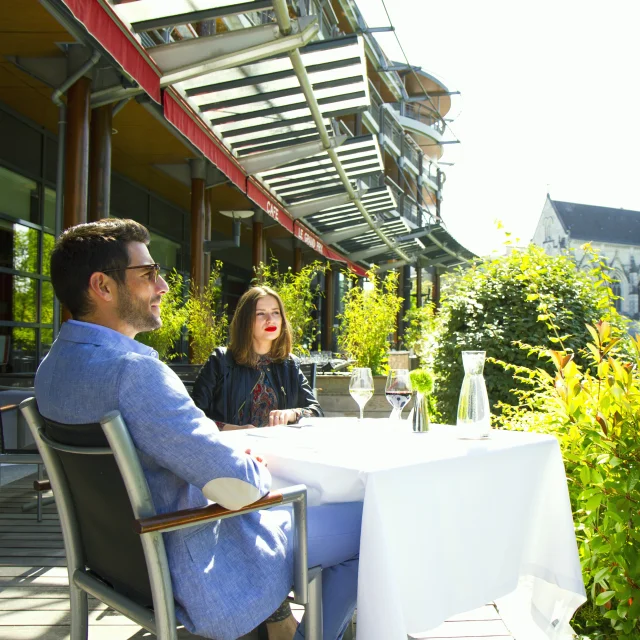
In the heart of the old town, I settle down at La Maison de l’Horloge for a gourmet break.

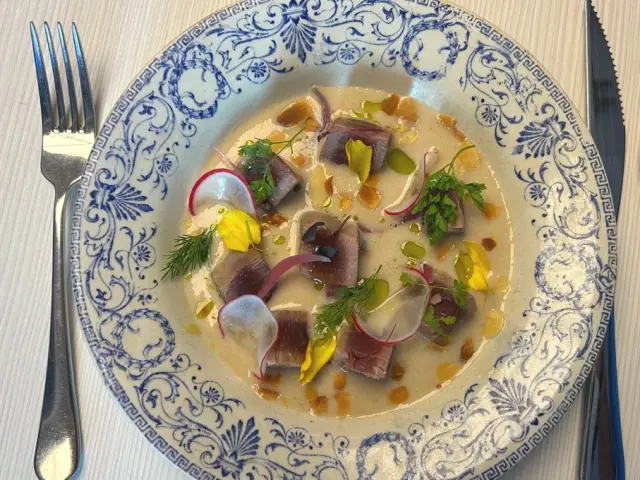
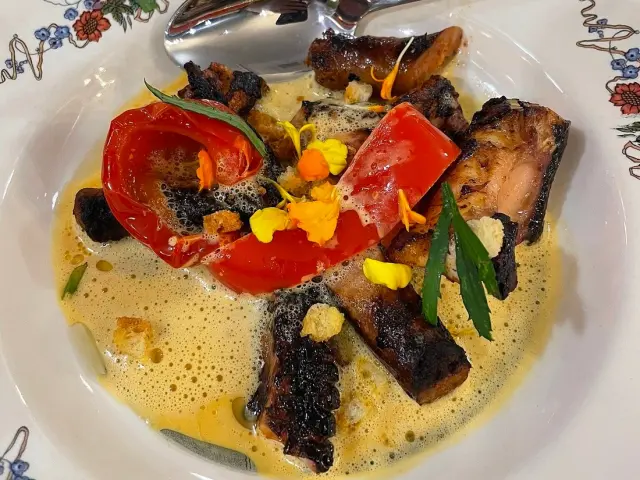
I discover hearty cuisine, inspired by local produce, perfect for recharging my batteries before continuing our exploration of Orthez.

Here, I simply take the time to enjoy my lunch. Because in Orthez, as elsewhere in Béarn, my best days are often those when I don’t try to rush things.

Some information Just between us!

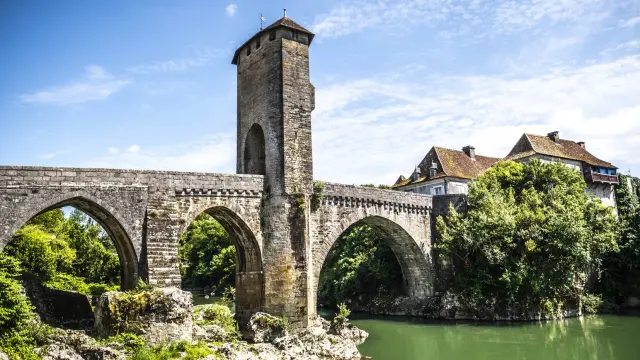
Old Bridge? But still majestic!

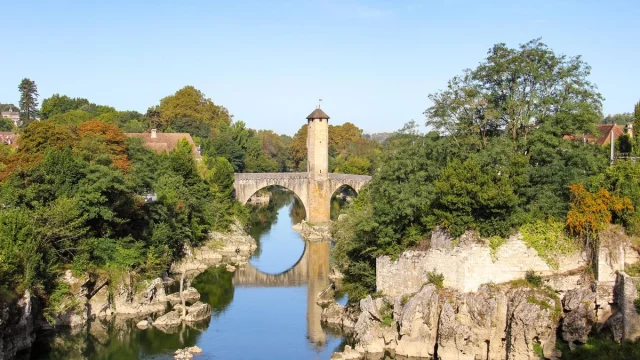
Why is the Old Bridge of Orthez so famous?
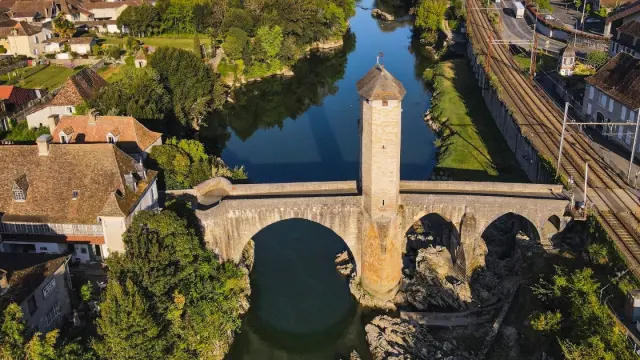
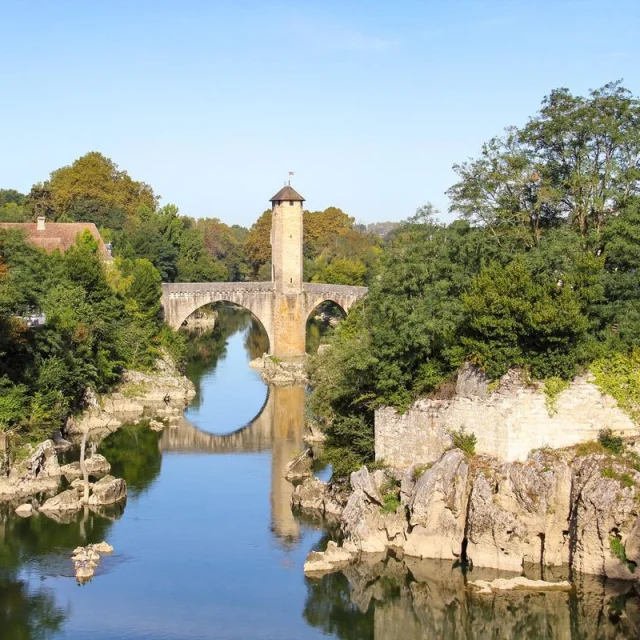
Built in the 13th century, the Old Bridge is one of the few fortified bridges in France to feature a tower built directly onto the structure.

Even today, the bridge remains one of the most iconic landmarks in Béarn.

Below, the waters of the Gave de Pau have flowed for centuries at the foot of the town, offering one of the most beautiful views of Orthez.

Terra Aventura All in the family!

Continue exploring the town in a fun way with Terra Aventura’s ‘Via Lemovicensis’ trail. This life-size treasure hunt takes you through the narrow streets of Orthez in search of clues and puzzles inspired by local history. As you make your way along the route, the town’s heritage is revealed in a whole new light: a striking façade, a quiet square or an architectural detail all become stages in the adventure. Suitable for everyone, the activity appeals to families as well as visitors keen to discover the town from a new perspective.

 Go on, touch it if you dare!

The motto of the town of Orthez.
A statement that is certainly full of panache, much like Gaston Fébus, the powerful lord of Orthez… and one whom no one dared provoke with impunity.

It sums up the town’s proud and independent character all on its own. In Fébus’s day, Orthez was a major centre of his power and its influence extended far beyond Béarn.

A short phrase, almost a challenge, which has stood the test of time with undiminished confidence.

At around 2 pm... Moncade Castle Get some height!

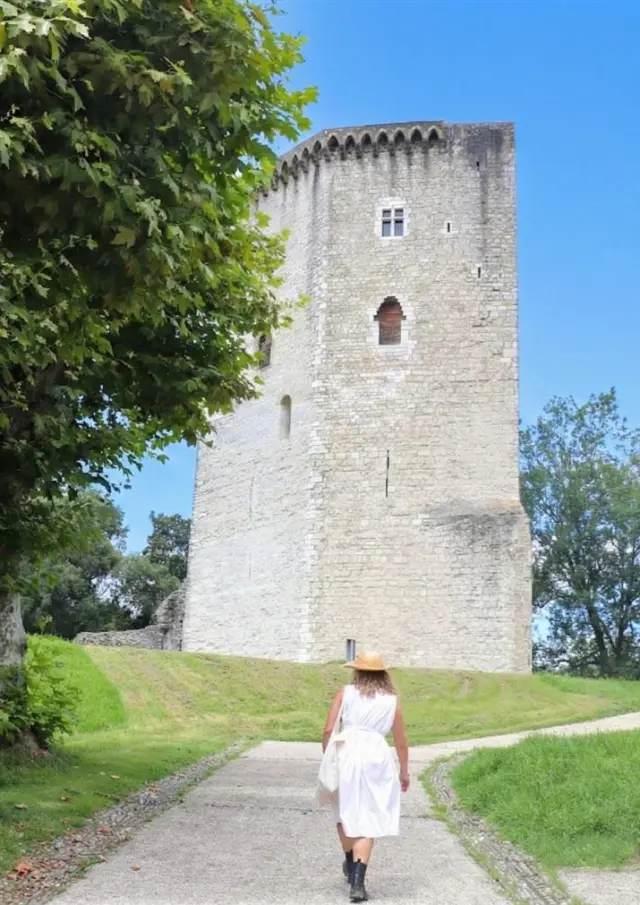
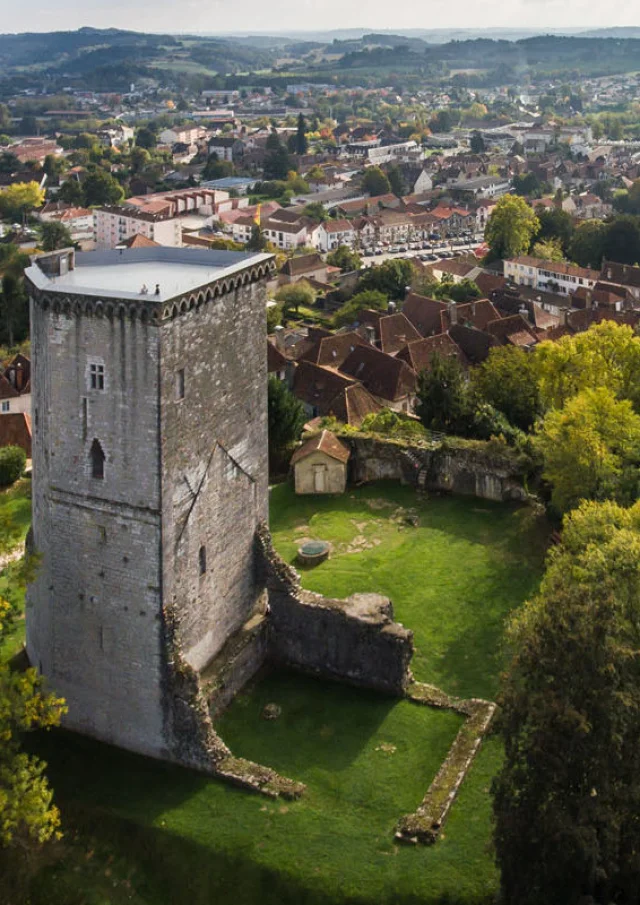
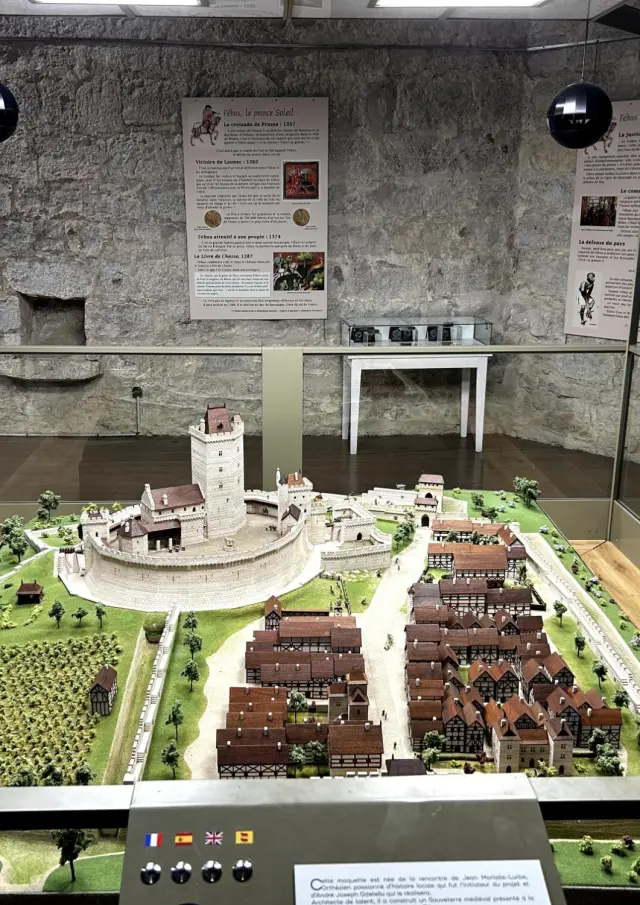
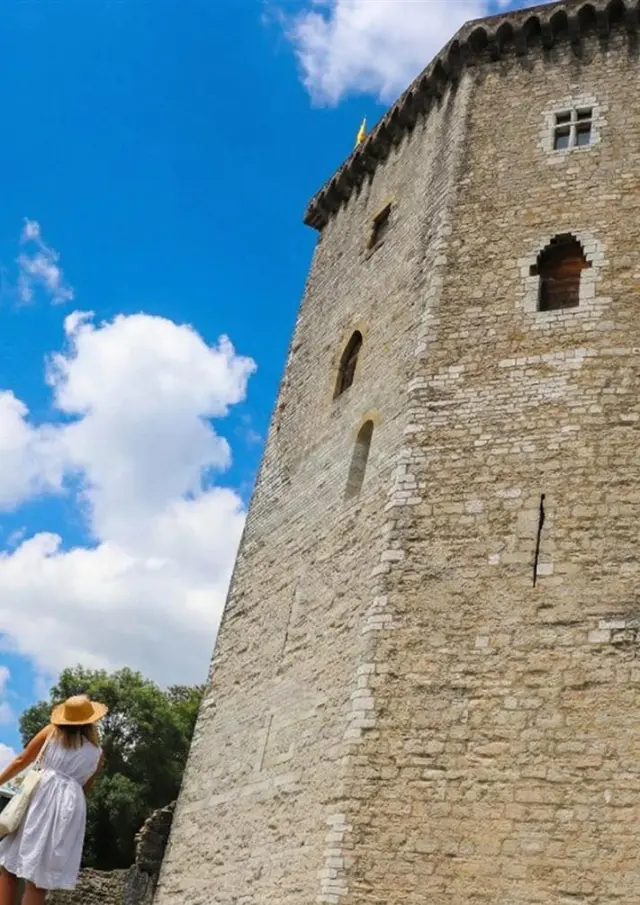
It’s impossible for me to explore Orthez without looking up at the Moncade Tower.
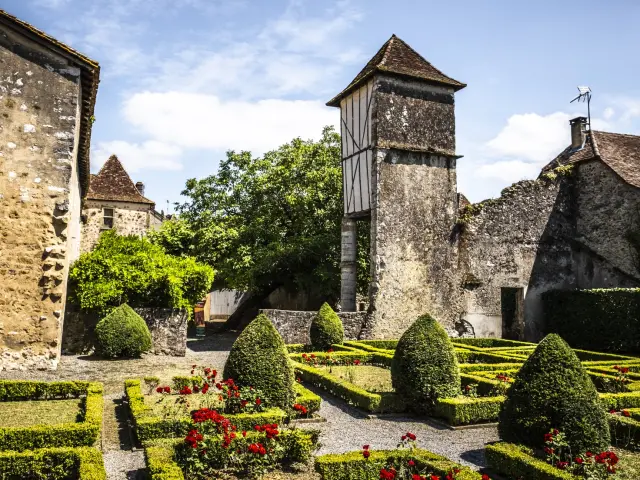
Standing on its hill since the 13th century, it still watches over the town. The last remaining vestige of Gaston Fébus’s castle, it remains a key feature of Béarn’s history.

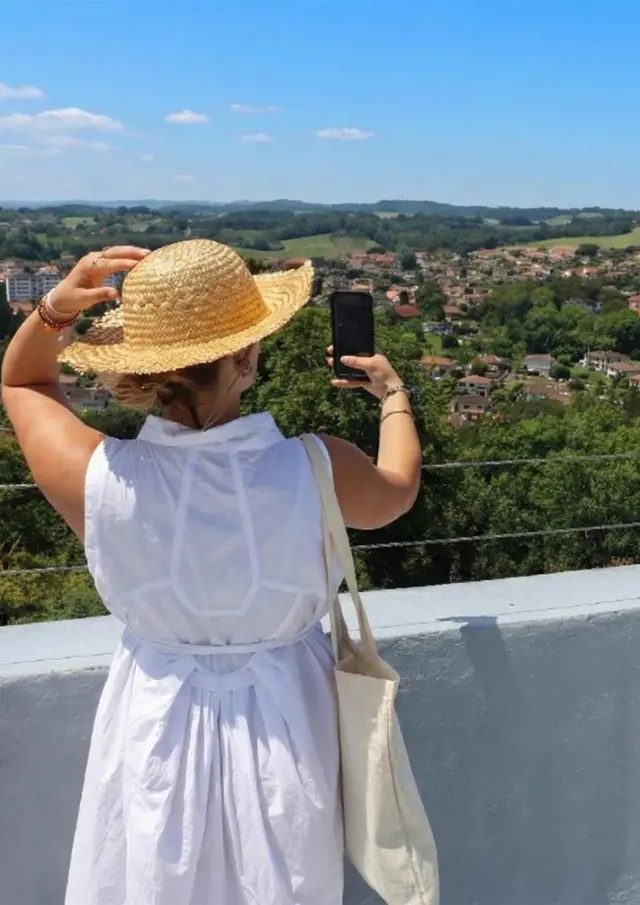
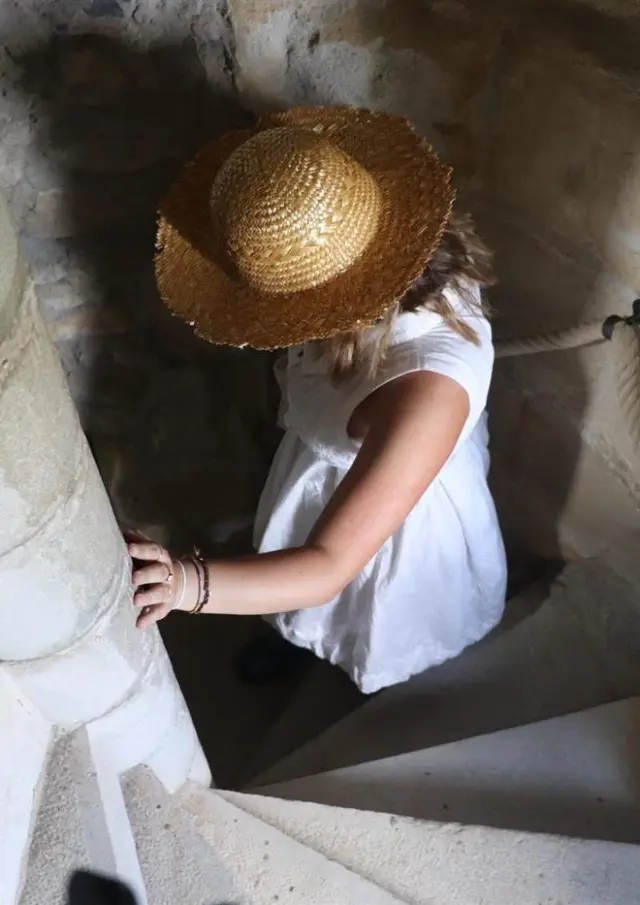
I climb a few steps, then a few more… and the reward comes quickly. At the top, the view stretches far into the distance. The rooftops of Orthez lie at my feet, the Gave river winds its way through the landscape, and the hills of Béarn gently frame the horizon.

Faced with this 360-degree panorama, I gain a better appreciation of the importance Orthez has long held in the history of Béarn. Here, the past is not merely recounted: it is contemplated.

At around 3.30 pm... Barnabas Beret factory

After exploring the stones steeped in history, I discover another part of the Béarn’s heritage: the beret.
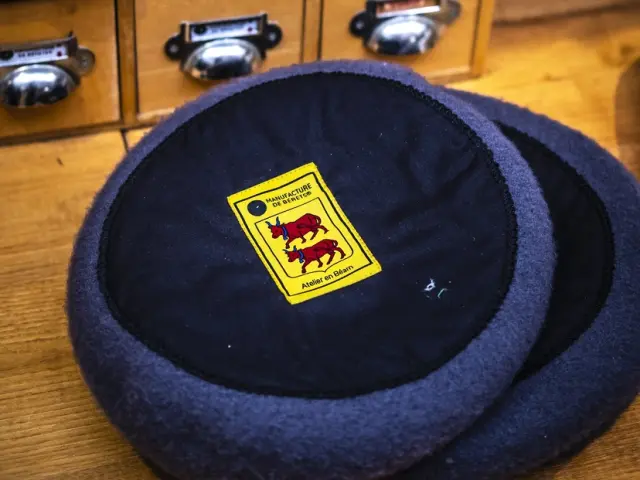
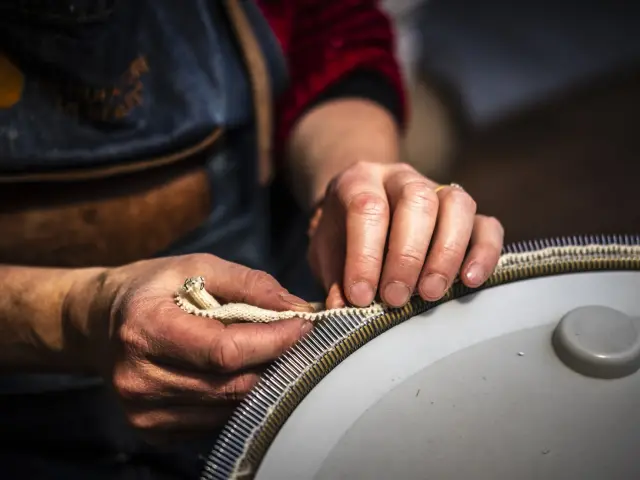
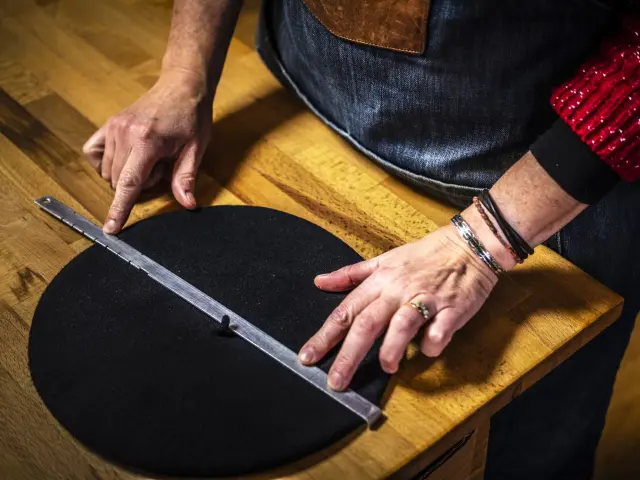
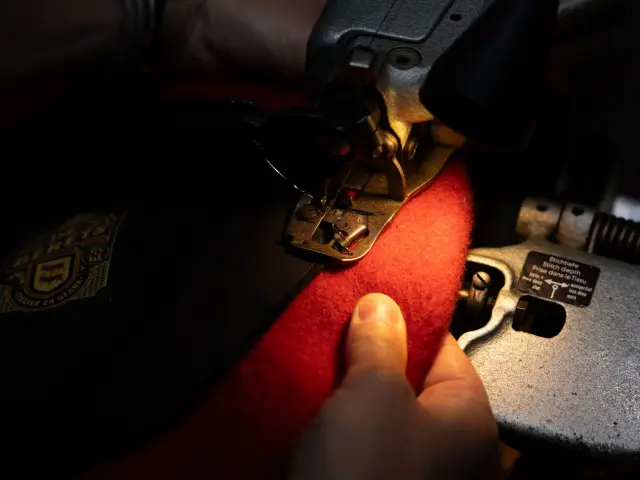
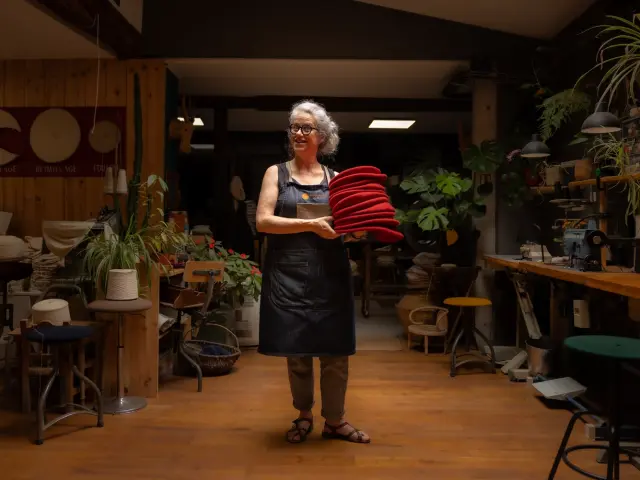
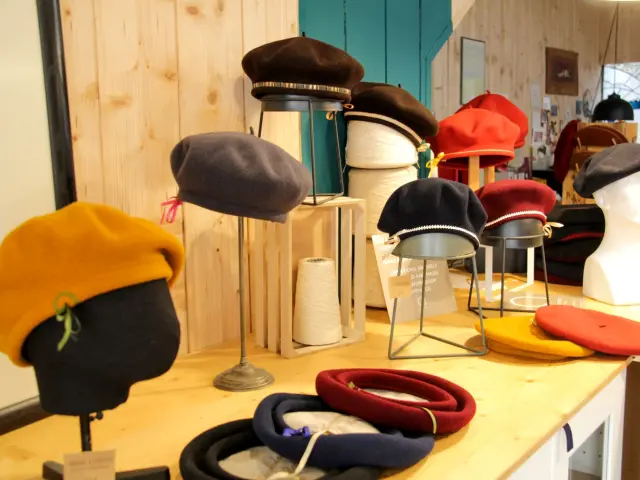
At Barnabé, I step inside the shop and discover the incredible craftsmanship behind this emblem of the Béarn region.
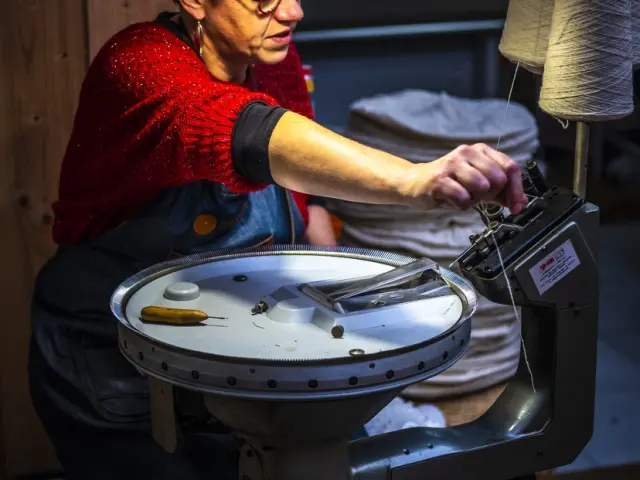
Here, there’s no need to step into the workshop: the explanations given in the shop help me understand the different stages of production, from the raw material right through to the finished beret.

As the explanations unfold, I come to appreciate the precision, patience and skill required to craft it. This headwear, which I’ve known all my life, suddenly takes on a whole new dimension.

I leave with a completely new perspective on its familiar shape. Behind the Béarn beret lie masterful techniques and a genuine passion on the part of those who continue to keep this local heritage alive.

Good to know

Basque beret or Béarn beret?
In Béarn, there’s hardly any doubt about the answer! With its roots firmly in the Pyrenees, the beret was first and foremost a practical head covering for shepherds. And here’s a small but significant detail: the traditional Béarn beret is distinguished in particular by its wider diameter.

At around 4.15 pm... Moutet Weavings Tradition and modernity

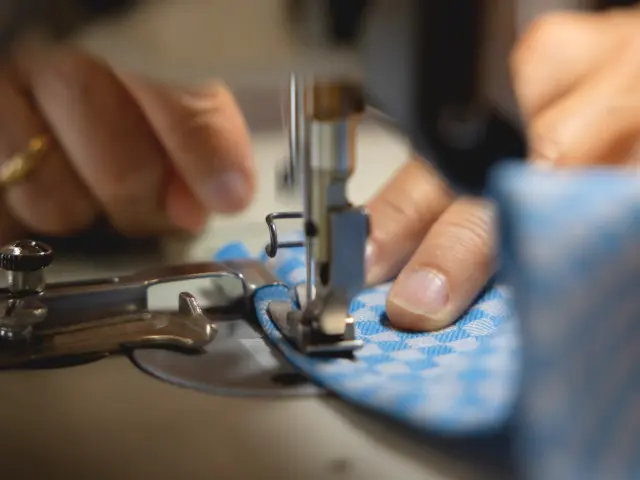
I’m continuing my exploration of Orthez’s traditional crafts at Tissage Moutet.
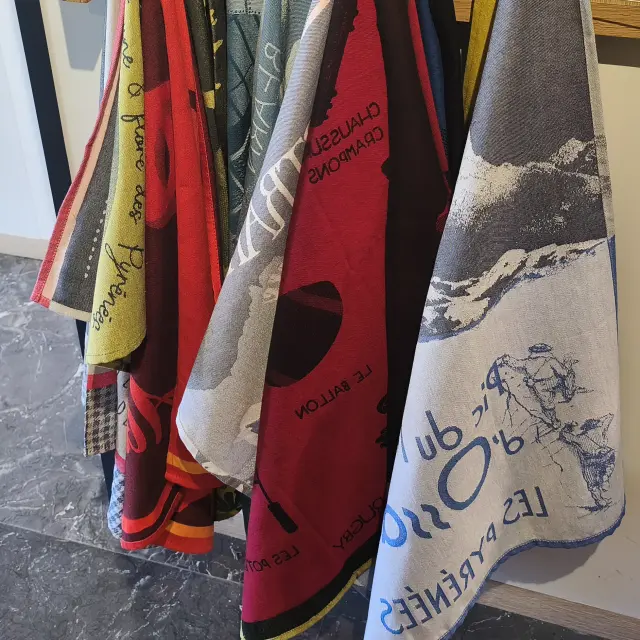
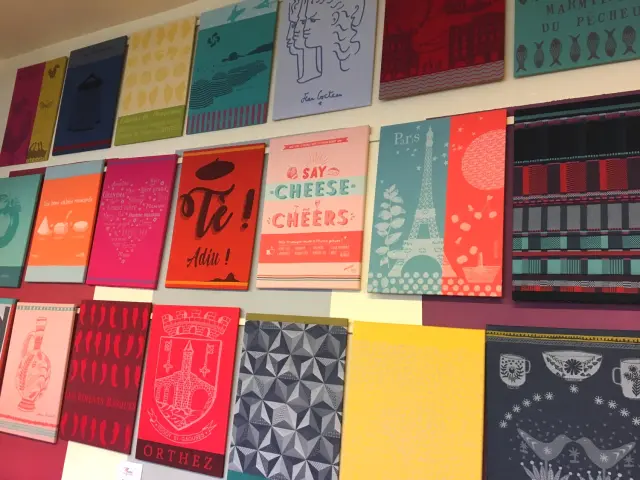
As I push open the shop door, I step into a world of colours, patterns and beautiful fabrics…

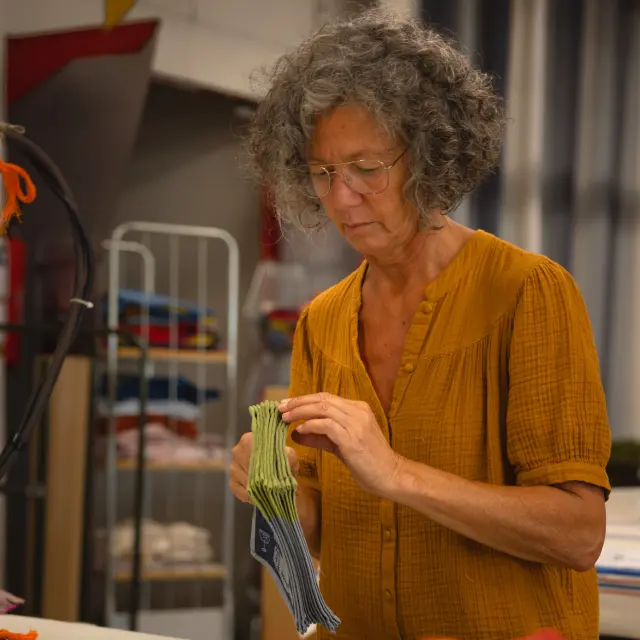
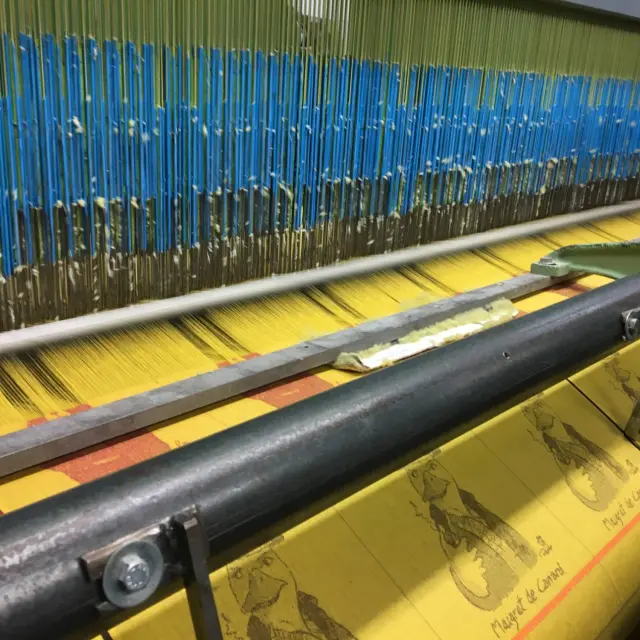
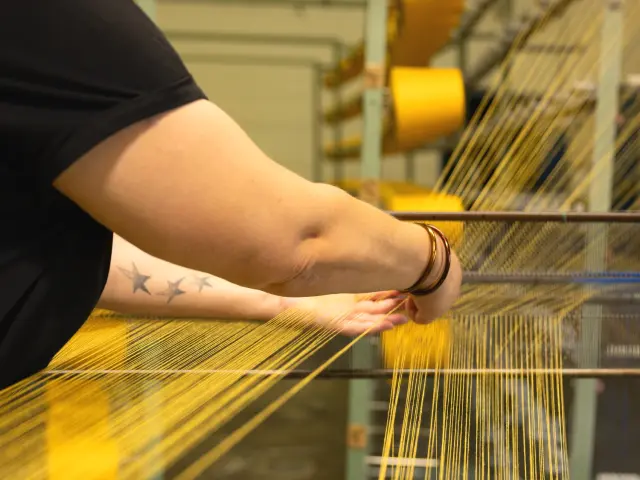
I’m discovering the home and table linen collections, and above all the story behind these creations. Here, weaving is a family tradition that has been passed down in Orthez since 1874.

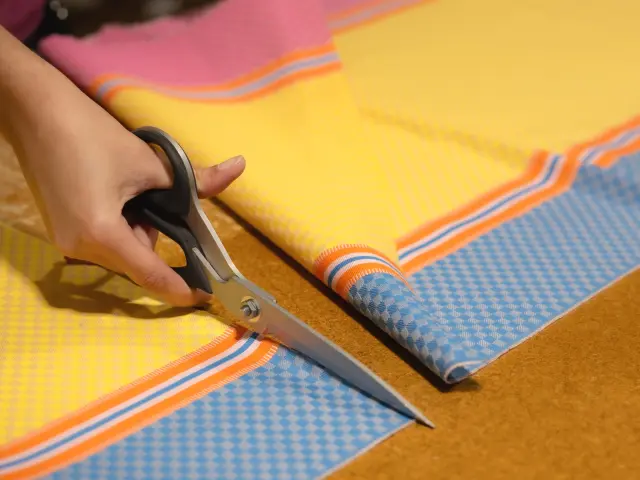
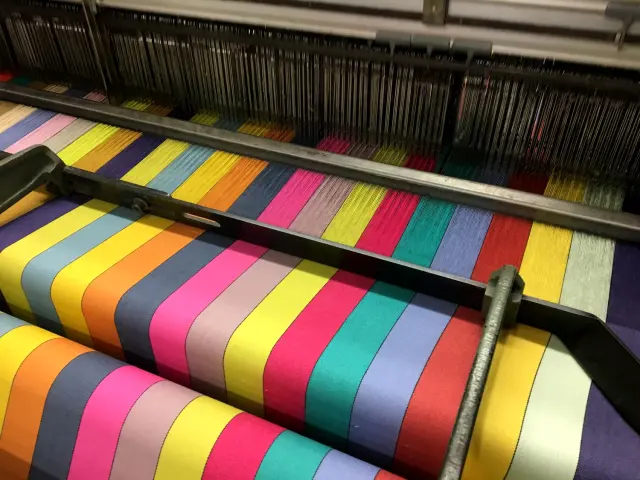
As I explore, I’m gaining a better understanding of the work involved in transforming simple threads into tablecloths, tea towels or aprons, some of which feature very contemporary designs. I now look at these pieces in a whole new light!

Behind the colours and patterns lies a wealth of textile expertise, deeply rooted in Béarn but still very much alive today.

At around 5.15 pm... A Stroll At the Pont-Vieux

I round off my day in front of one of Orthez’s most iconic landmarks: the Pont-Vieux.
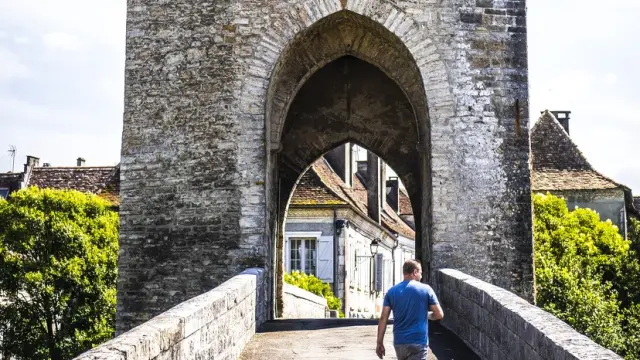
I take the time to walk there and cross this fortified bridge, built in the 13th century under Gaston VII de Moncade and later remodelled during the reign of Gaston Fébus.

In days gone by, pilgrims on the Way of St James, travellers and goods would use this strategic crossing to cross the Gave. Today, the pace has changed. I walk quietly between its arches, with the water rushing below and its tower still watching over the crossing.

The bridge also harbours darker tales. An old opening in the parapet was known as ‘Frineste dous Caperas’, meaning ‘the priests’ window ’ in the Béarnais dialect.
According to local legend, priests were thrown into the Gave from this spot during the violence of the Wars of Religion in 1569.
This episode is recounted with caution, but it serves as a reminder of just how turbulent the history of Orthez has at times been.

A few centuries later, the Pont-Vieux narrowly escaped destruction.
In 1814, during the Battle of Orthez, its great arch was mined in an attempt to slow down Wellington’s troops. The charges failed and the bridge remained standing… It has ultimately spanned the centuries just as it spans the Gave.

I linger a little longer by the water’s edge. The stones, the rocks, the vegetation and the reflections create a setting all of its own. One last breath before leaving Orthez, with the feeling of having walked, for a few moments, in the footsteps of all those who have crossed the Pont-Vieux for nearly eight centuries.

A day in Orthez FAQ No car!