Amb Laulheremasterbox 3146 HD
©

Amb Laulheremasterbox 3146 HD

|

Manufacture Laulhère

The Béarn beret A ball of wool in the heart of Béarn

A ball of wool, a silhouette instantly recognisable, and, behind this apparent simplicity, a whole history rooted in the Pyrenees. Created to protect shepherds, crafted in the workshops of Béarn and later adopted by artists and fashion houses, the beret has stood the test of time without losing its roots. To discover its true character, head to Nay, Oloron-Sainte-Marie and Pau.

The Beret Factory 06 Pays de Bearn
©

The Beret Factory 06 Pays de Bearn

The beret

Originating in the Pyrenees and deeply rooted in the Béarn region, the beret is supple in character yet has a distinctively assertive look.

He likes
  • THE BÉARN
  • THE PYRENEES
  • COLOUR

The Spirit of the Pyrenees

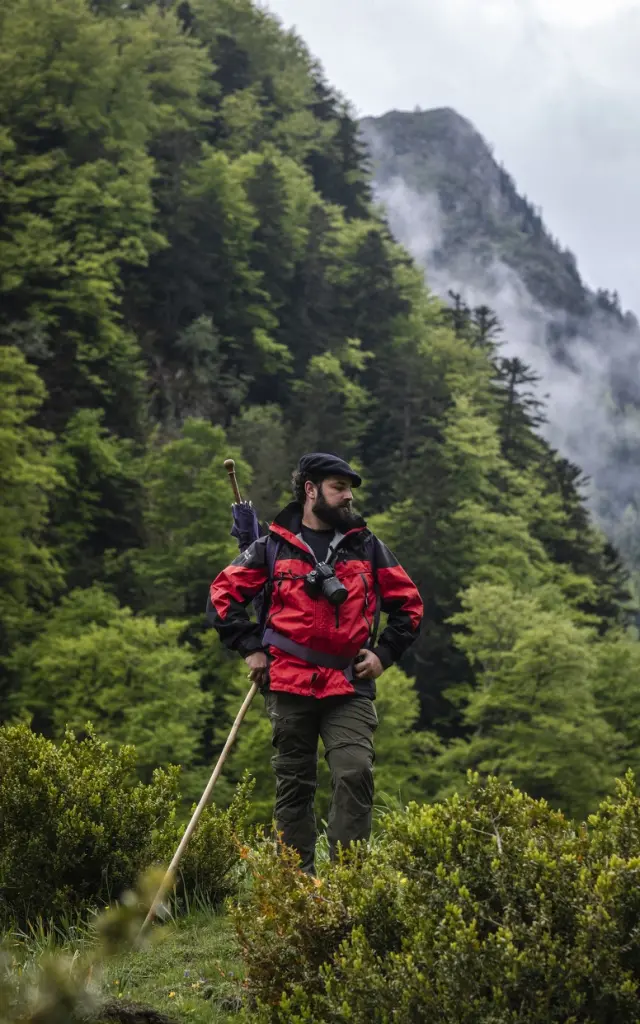
Sometimes, all it takes is a very simple object to tell the story of an entire country. The beret is proof of this. Soft, flat and brimless, it has been a part of life in the Pyrenees for generations.

It’s worn for protection, for work, and for going out. You shape it with a single gesture, tilt it slightly, and instantly, a certain style takes shape.

Beneath its felted wool lie summer pastures, herds, workshops and a certain Béarn spirit. Authentic, practical and, quite simply, elegant.
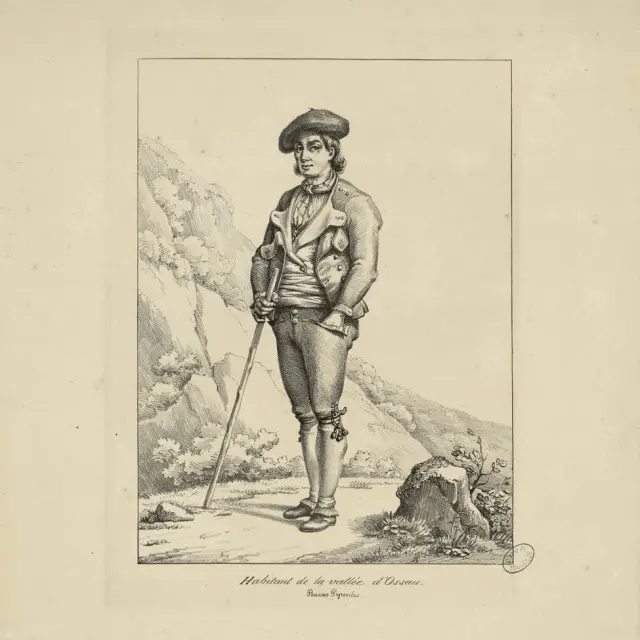
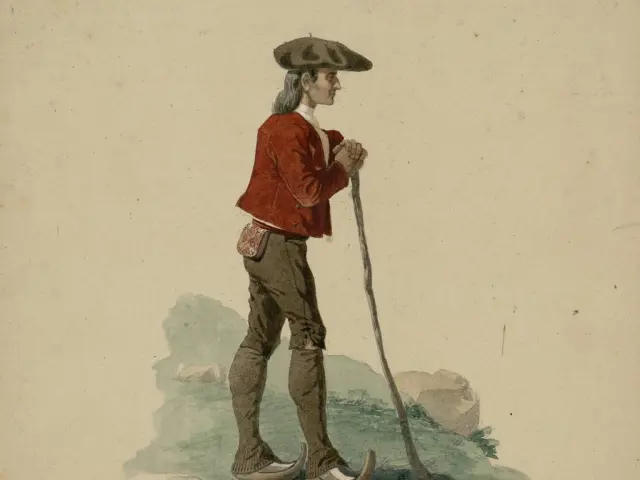
A story that began in the Pyrenees

The beret has its roots in the heart of the Pyrenees, and particularly in Béarn. Its name, in fact, comes from the Béarnais word ‘berret’, which refers to a flat, brimless woollen cap.

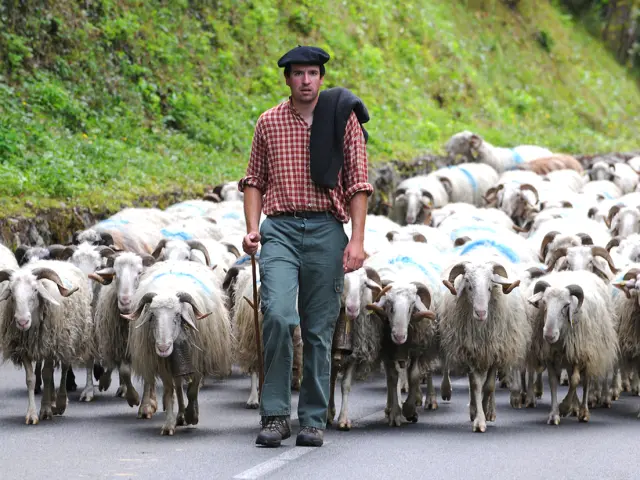
Originally, it was neither a fashion statement nor a national symbol. The beret served a very practical purpose. Shepherds and farmers wore it to withstand the vagaries of the weather. The felted wool keeps the wearer warm, allows the skin to breathe, is hard-wearing and provides natural protection from the rain. It also shields the wearer from the wind and the sun. The beret can be folded, slipped into a pocket and regains its shape when placed on the head. A simple item, designed for everyday use.

In the 19th century, this pastoral craft found its way into workshops. From 1819 onwards, Nay became one of the major centres of beret production. Oloron-Sainte-Marie later joined this manufacturing venture. Knitting, felting and finishing require precise techniques, passed down through the generations.

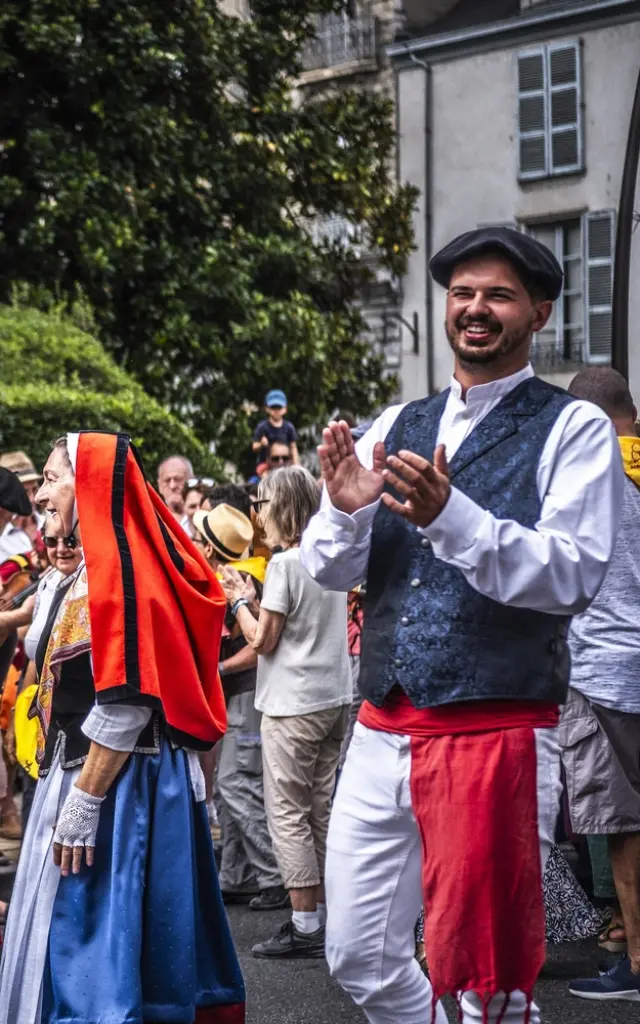
From an everyday head covering, the beret then embarked on a long journey. It won over soldiers, artists and the fashionable. Little by little, it became one of France’s most recognisable symbols. Yet here, its roots remain clearly visible.

A Basque beret or a Béarn beret?

This is a question that easily sparks lively conversation both west and east of the Pyrénées-Atlantiques.

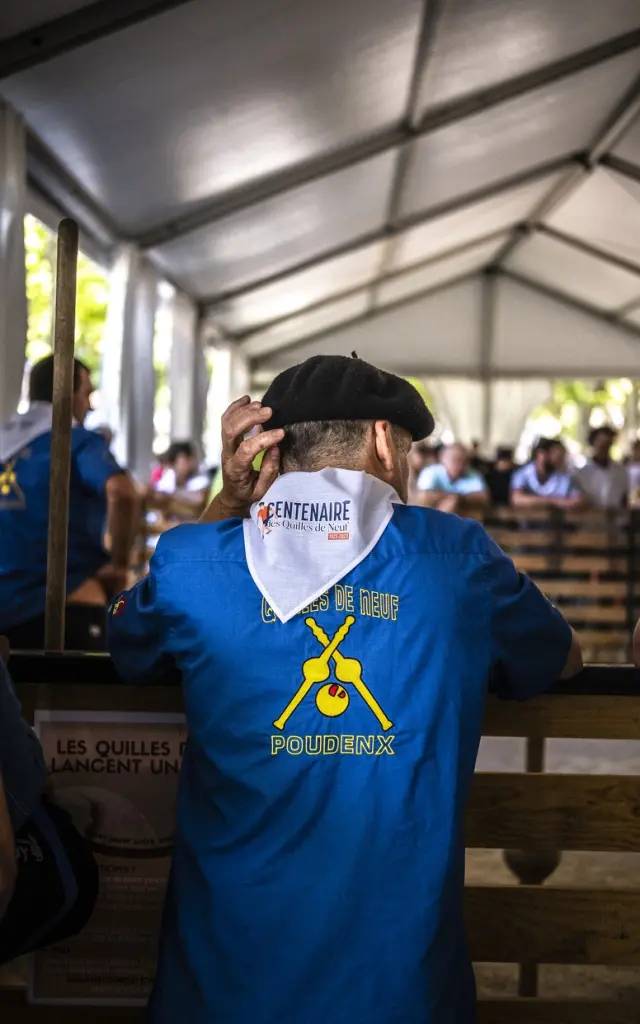
The term ‘Basque beret’ became widely used, largely due to the popularity of this headwear in the Basque Country and Biarritz’s reputation as a tourist destination in the 19th century.

Legend has it that Napoleon III noticed many locals wearing berets during his stays on the coast.
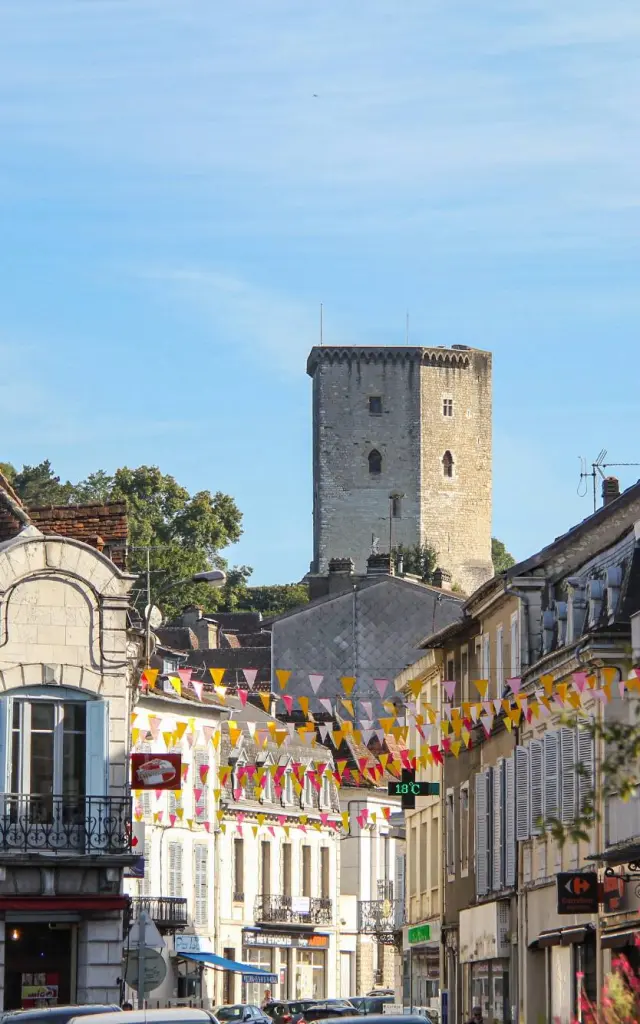
Nevertheless, its name, traditional use and industrial history are deeply rooted in Béarn.
The writer and champion of Béarn culture, Simin Palay, describes it more broadly as the traditional headwear of the Gascon, Béarn and Basque peoples.
The beret therefore belongs to a shared Pyrenean culture, even though Béarn plays a key role in its history.

One detail also helps to distinguish the different styles: the Béarn beret traditionally has a wider diameter.
It sits more comfortably on the head. A discreet way, perhaps, of asserting one’s character.

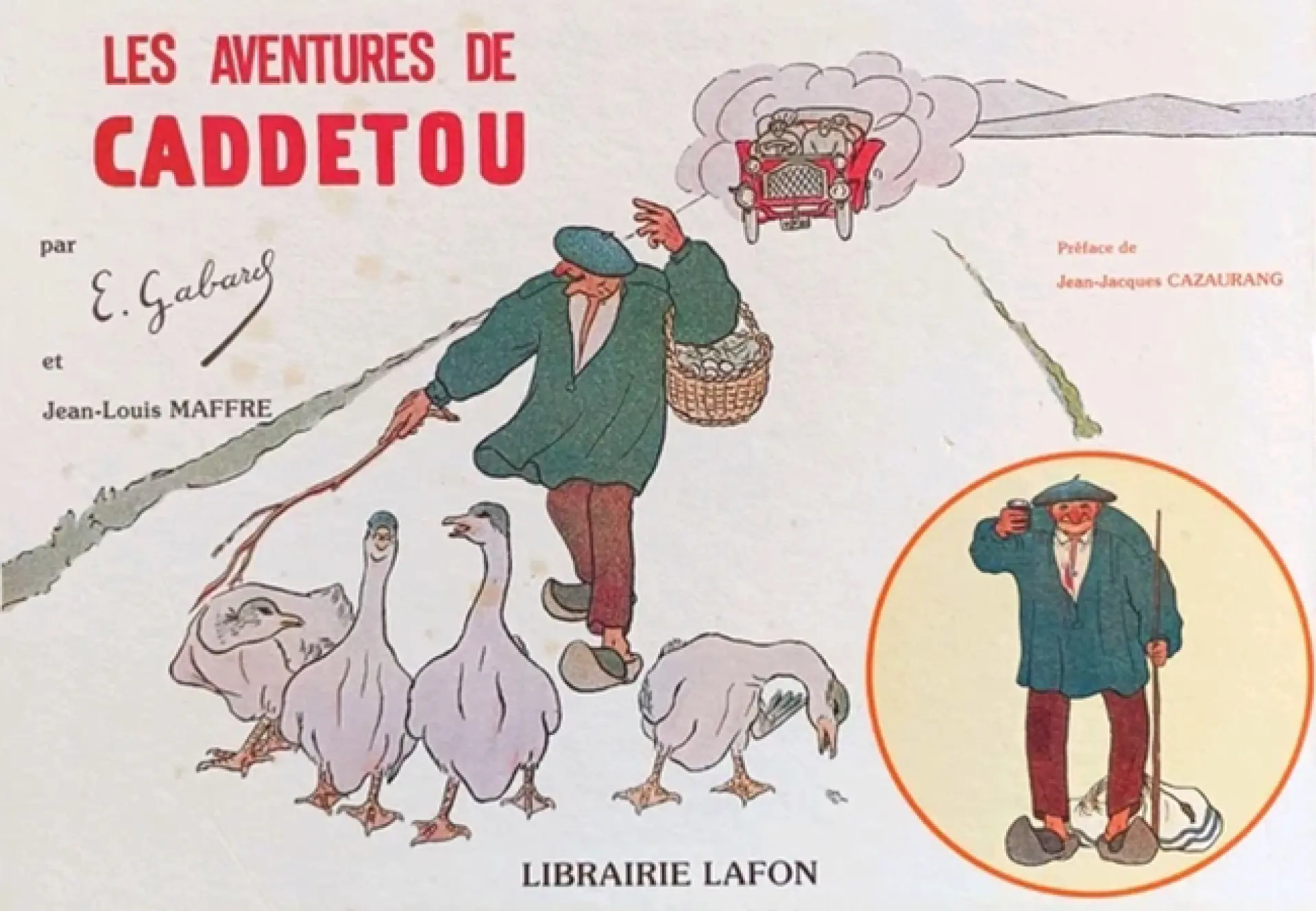
The Adventures of Caddetou Def

Caddetou Never without his beret!

Created in 1907 by the Pau-based artist Ernest Gabard, Caddetou is quite a character: a Béarn peasant, mischievous and rather crafty.
His uniform? A smock, clogs, an umbrella… and, of course, a beret firmly perched on his head.

He alone humorously embodies the entire popular imagination of the Béarn region. And on this point, the Gascon saying leaves little room for doubt: ‘Lo berret qu’ei bearnés!’(The beret is Béarnais).

In the workshops The memory of gestures

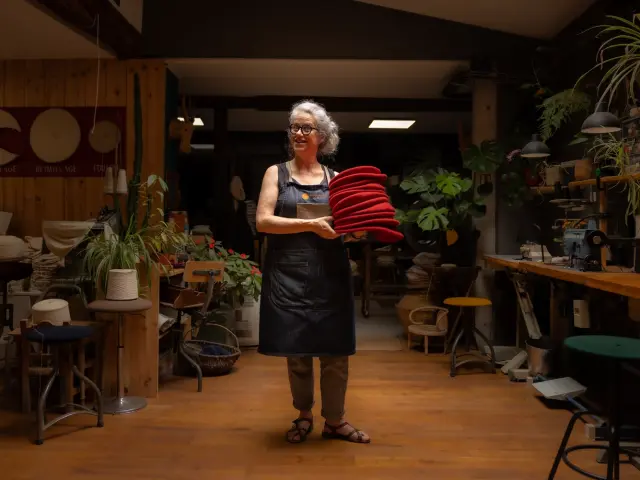
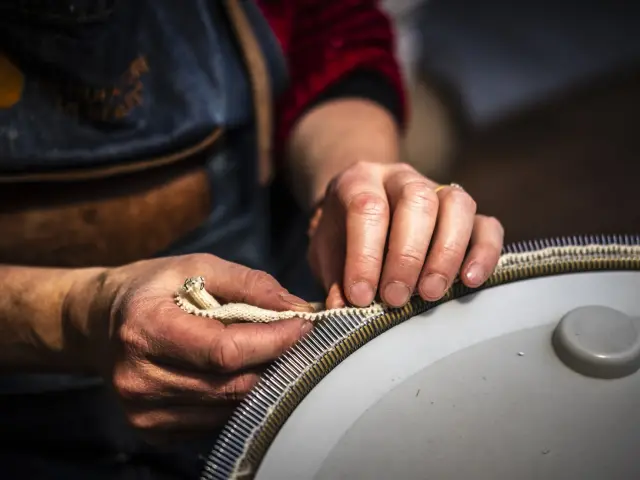
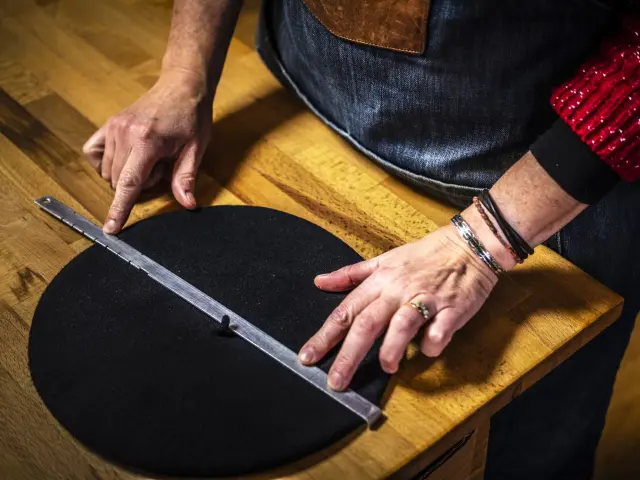
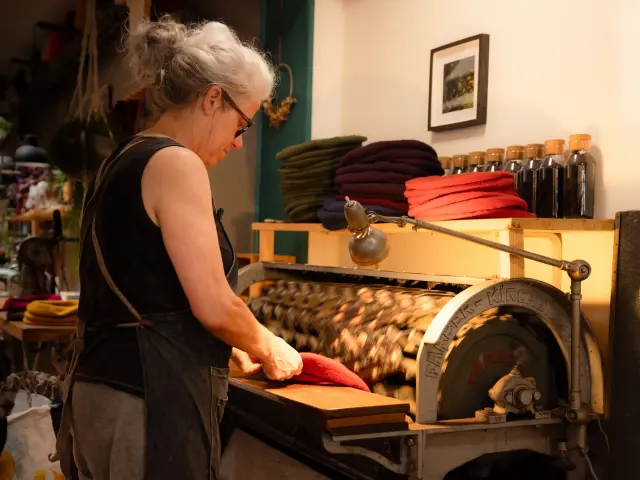
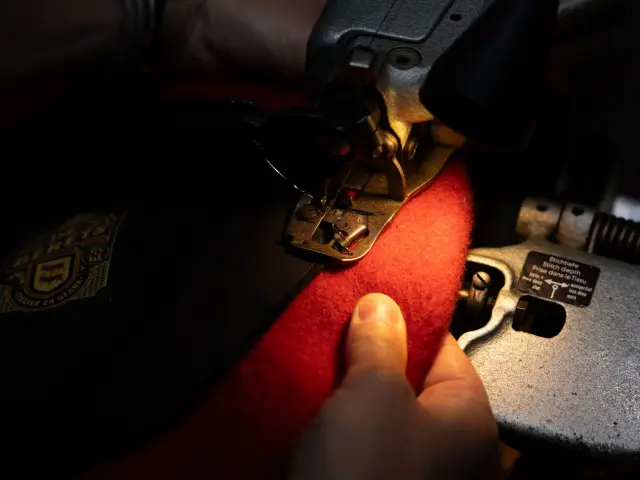
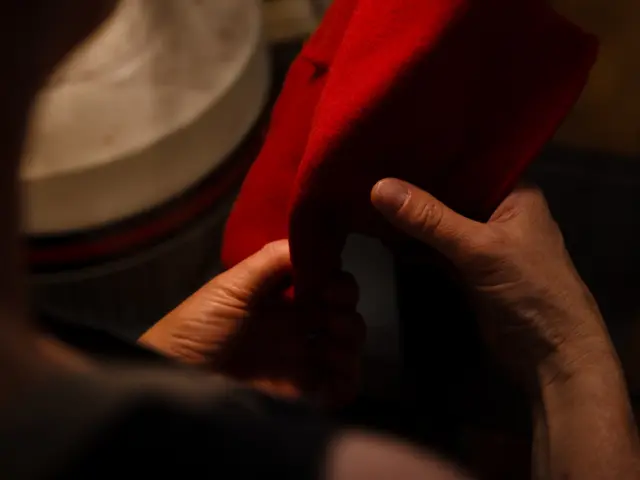
A beret isn’t created in a single step. Before it ends up on someone’s head, the wool goes through several stages and passes through many hands.

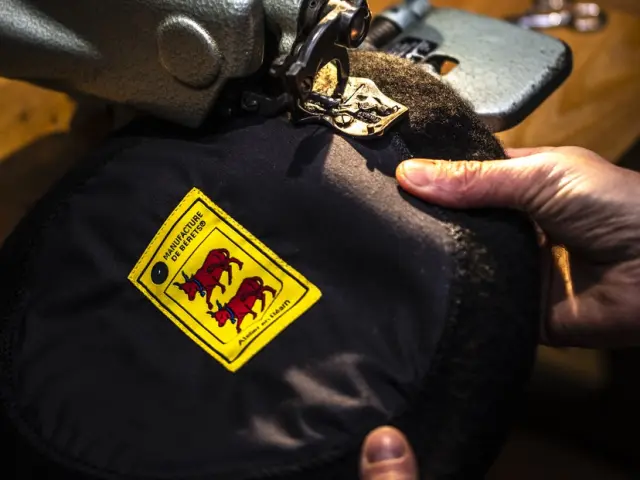
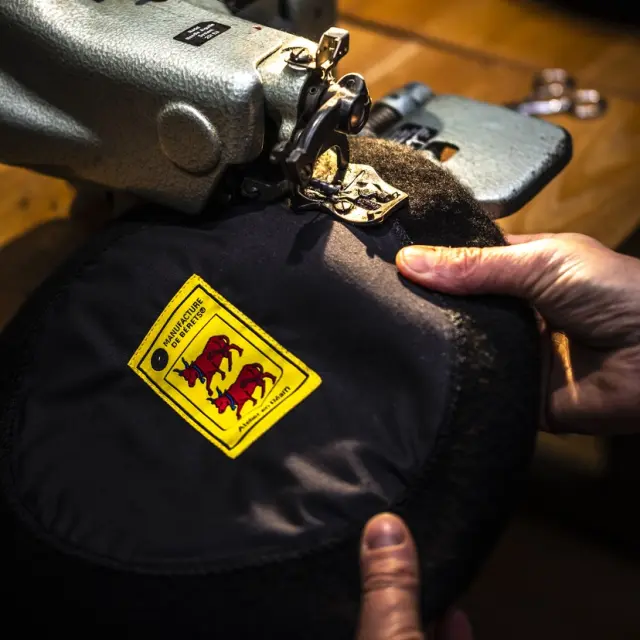
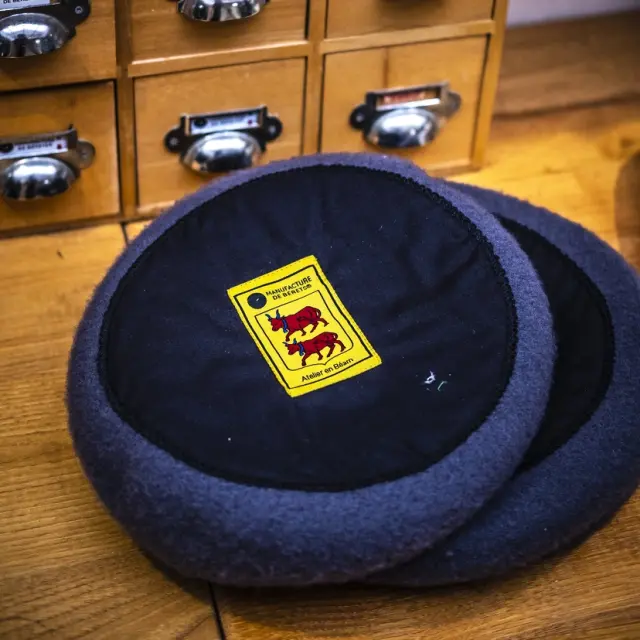
In Oloron-Sainte-Marie, Laulhère has been carrying on a historic tradition of craftsmanship since 1840, from knitting right through to the finishing touches. In Orthez, the Manufacture de Bérets champions small-scale, artisanal production.

Further west, in Bayonne (Yes, the capital of the Basque Country – we’re not being chauvinistic!), Le Béret Français offers behind-the-scenes tours of its production facilities and even lets you personalise your own beret.

Each workshop cultivates its own identity. Yet they all share the same attention to materials, shape and craftsmanship. The wool is worked, felted and shaped until it becomes that supple, dense piece that is instantly recognisable. Behind its apparent simplicity, the beret thus embodies a history of craftsmanship, industry and humanity.

In Nay The beret recounts its memories

To trace the history of the beret, step inside the Beret Museum in Nay.
Housed in a former factory, the museum reveals the stages of production through vintage machinery that is still in working order.
The sound of the machinery, the wool being processed and the explanations of the techniques bring the story to life. You’ll then realise that the beret is more than just a traditional symbol. It is as much a part of the working-class heritage of the Béarn region as it is of that of the Pyrenean shepherds.
The tour reveals the journey taken by this familiar object: born out of an everyday need, made in the valleys, then worn far beyond the mountains.
Before you leave, bear in mind that the Beret Museum is also the Laulhère factory shop, whose workshops are located in Oloron-Sainte-Marie. A wide range of styles and colours are on display. You try them on, compare them, and adjust them. Because choosing a beret is as much about finding the right fit as it is about getting to know it.

To each their own way of wearing it

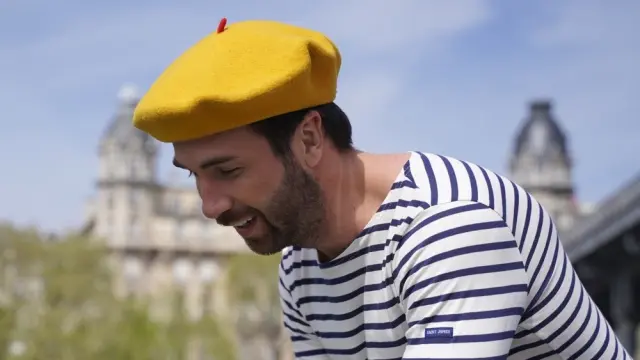
Worn straight, tilted, pulled down over the forehead or slightly tilted back: the beret takes on a different look depending on how it is worn.
Worn straight and loosely, it evokes the popular, traditional headwear. Tilted to one side, it takes on a more contemporary silhouette. Pulled forward, it asserts its character even more.

Place it quite low, just above your eyebrows, then gently shape the wool. A work jacket, a coat, a shirt, a comfortable jumper or a pair of jeans will do. In its country of origin, the beret isn’t meant to be a costume.

The right way to wear it is the one that suits you. Every face, every temperament and every story gives it a different shape. One headpiece, a thousand ways to make it your own.

From the mountains To the fashion houses

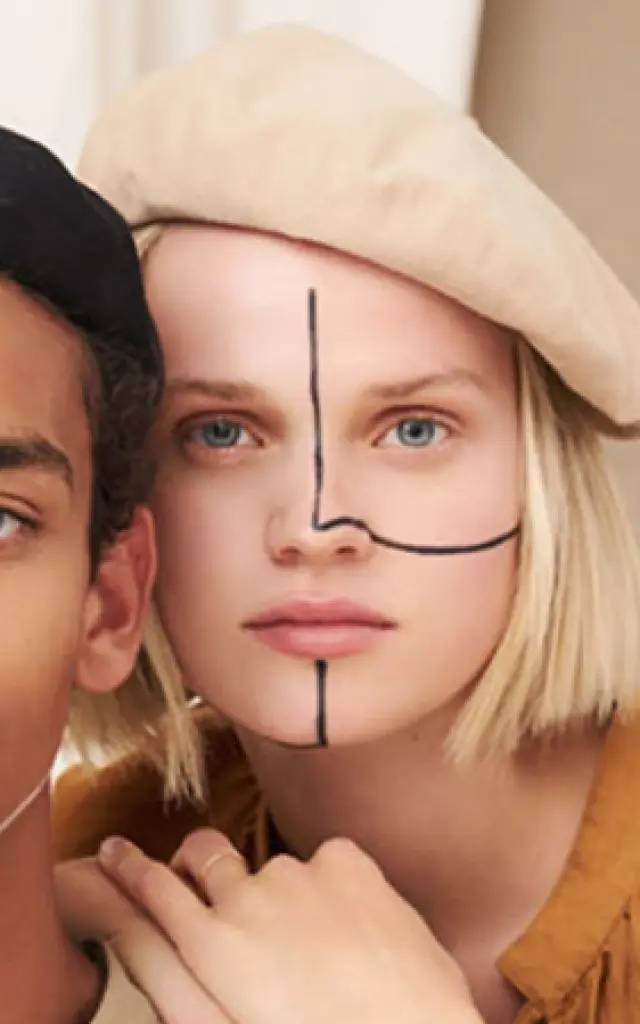
The beret has long since moved beyond the paths of the mountain pastures. As early as the interwar period, designers such as Coco Chanel, Jeanne Lanvin and Elsa Schiaparelli drew inspiration from folk and sportswear to reinvent the feminine silhouette.
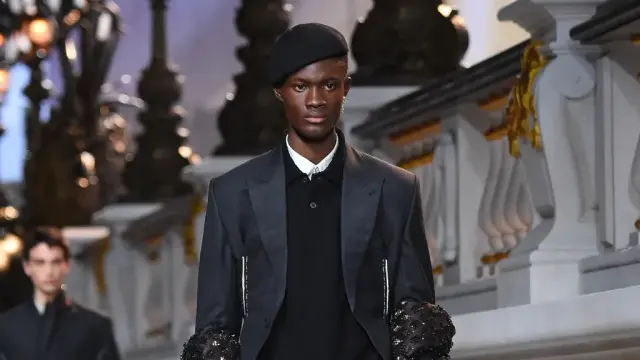
Christian Dior subsequently turned it into a symbol of French elegance. The fashion house reinterpreted it with veils, pearls, leather and contemporary details. Some Dior designs were even entrusted to the Laulhère workshops in the Béarn region.

Brigitte Bardot, Catherine Deneuve and Faye Dunaway all wore it before Rihanna and Bella Hadid made it their own in turn. Whether chic, military-style, artistic or urban, the beret transcends trends with disconcerting ease.
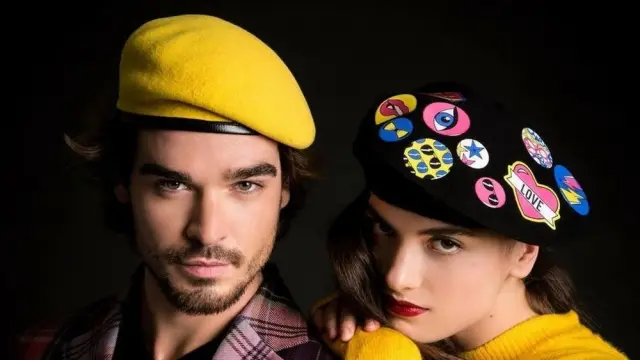
It changes colour and style, yet retains its familiar shape. Behind the catwalks and fashion images, the wool and craftsmanship of the Béarn region are never far away.

A little something From Béarn

The beret is not merely a way of covering one’s head. It speaks of a connection to the land, of traditions passed down through the generations, and of an unpretentious elegance.
It evokes the pastures of the Pyrenees as well as the workshops of Nay and Oloron-Sainte-Marie. It is part of everyday life before finding its way into shop windows and on the catwalk. It remains popular whilst becoming a fashion staple.
Perhaps that is where its uniqueness lies: being deeply rooted whilst travelling the world.

So, when you place a genuine beret on your head, take the time to feel its wool and find your own way of wearing it. You’ll be taking with you a practical item, a timeless silhouette and a little piece of Béarn.

Our addresses Discover the beret

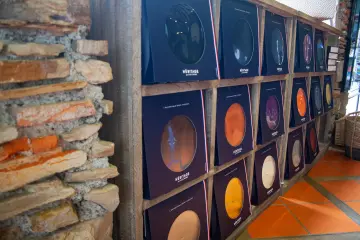
Laulhere Beret Museum in Nay 007 Aadt64 Light
Laulhère Beret Museum and Factory Outlet Nay

Discover the history of beret-making in a former factory, then try on the styles on offer at the factory shop.

Place Saint-Roch
64800 Nay
Tel.: 05 59 61 91 70

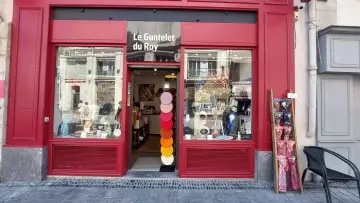
Gauntlet 2
The King’s Gauntlet Pau

This historic shop, situated near Place Clemenceau, offers, amongst other things, a selection of Laulhère berets, including the ‘Authentique’ model, available in a range of colours.

9 Rue du Maréchal-Joffre
64000 Pau
Tel.: 05 59 27 52 21

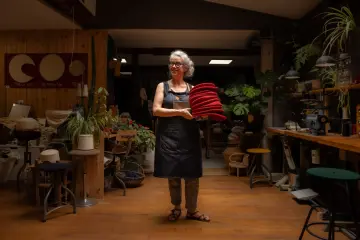
Orthez Beret Factory 008 Loic Forques Light
Barnabé Beret Factory Orthez

In Orthez, the Manufacture des Bérets keeps alive a craft that is emblematic of the Béarn region. From merino wool yarn to the finished beret, Léa and Sara passionately carry on the traditions handed down over centuries.

4 rue de l’Horloge
64300 Orthez
Tel.: 05 59 38 03 53

The Béarn beret FAQ A ball of wool in the heart of Béarn

Elsewhere in Béarn You will also like...