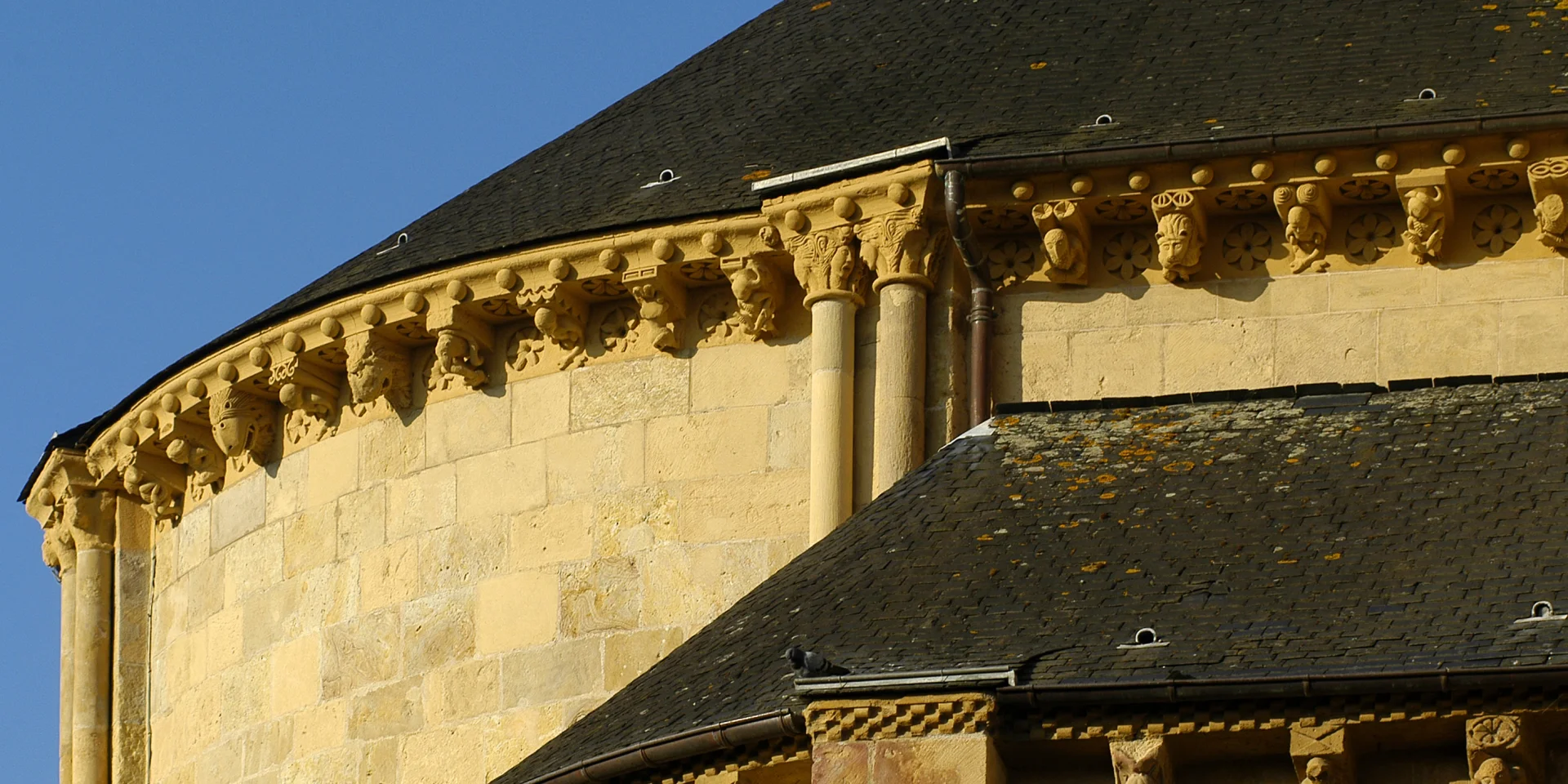
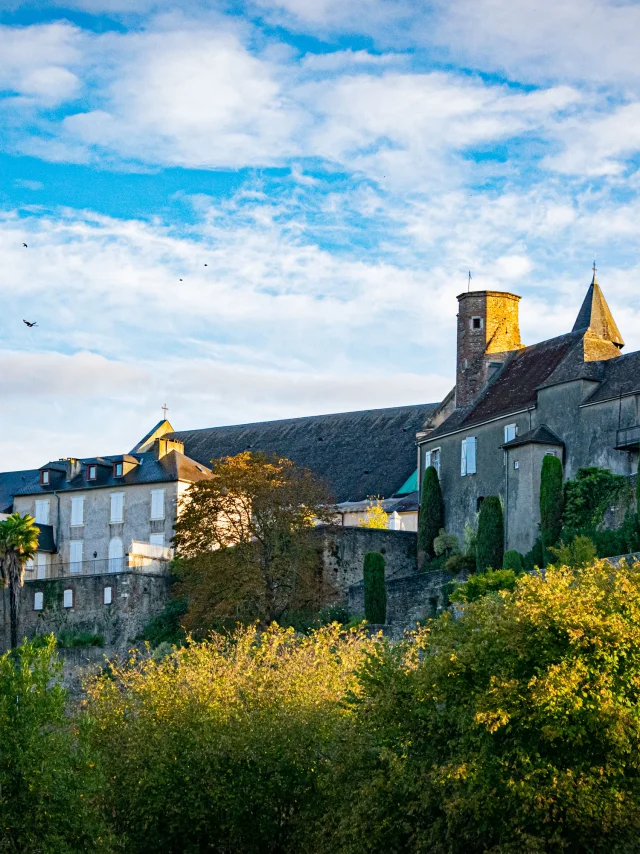
Cathedrale Chevet Lescar Modillons Pau Pyrenees Tourisme 1
©

Cathedrale Chevet Lescar Modillons Pau Pyrenees Tourisme 1

|

Pau Pyrénées Tourisme / DG

Lescar A pilgrimage dating back to the Middle Ages

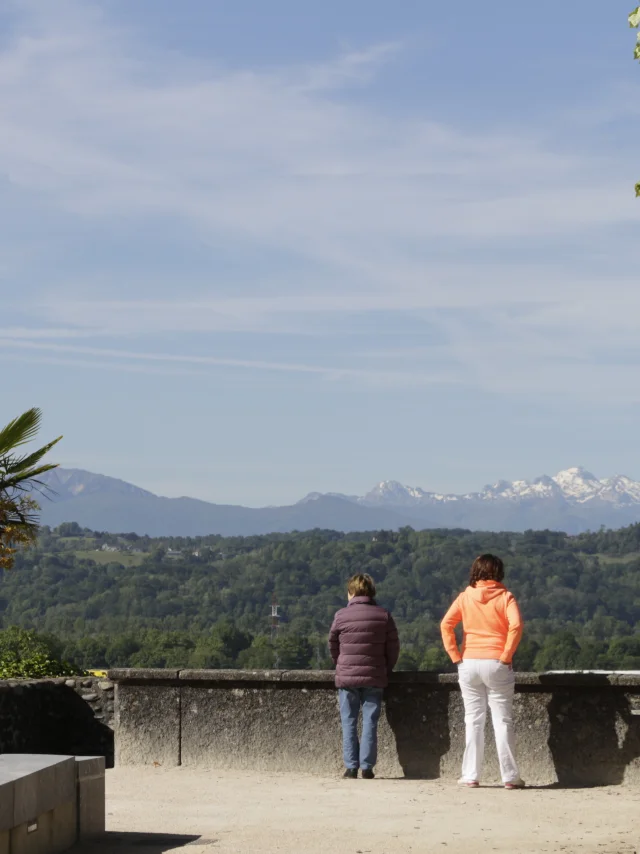
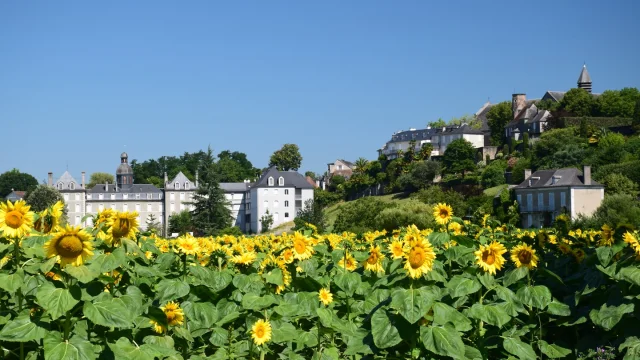
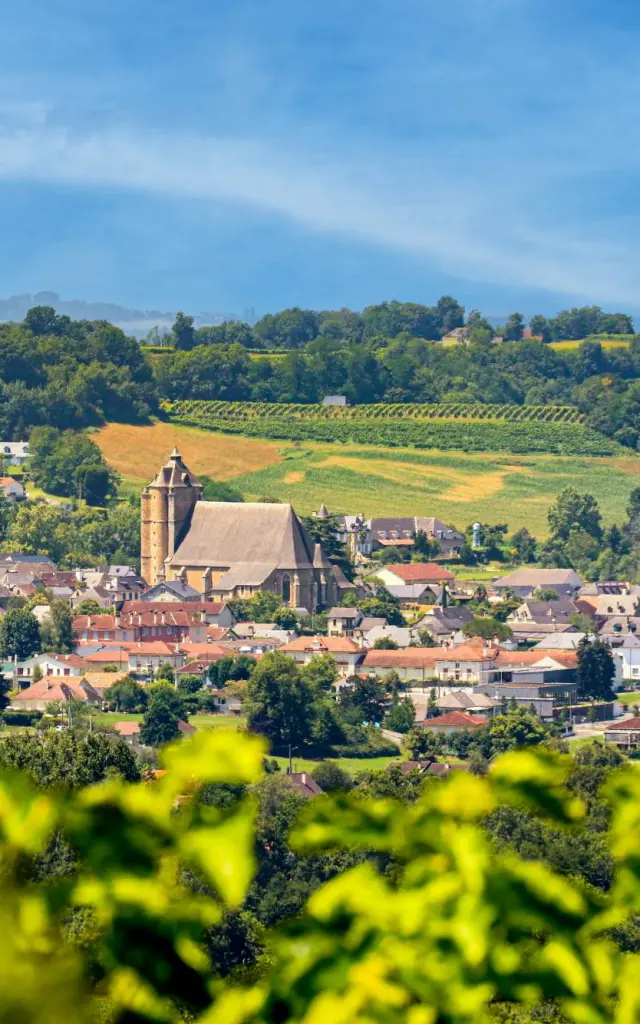
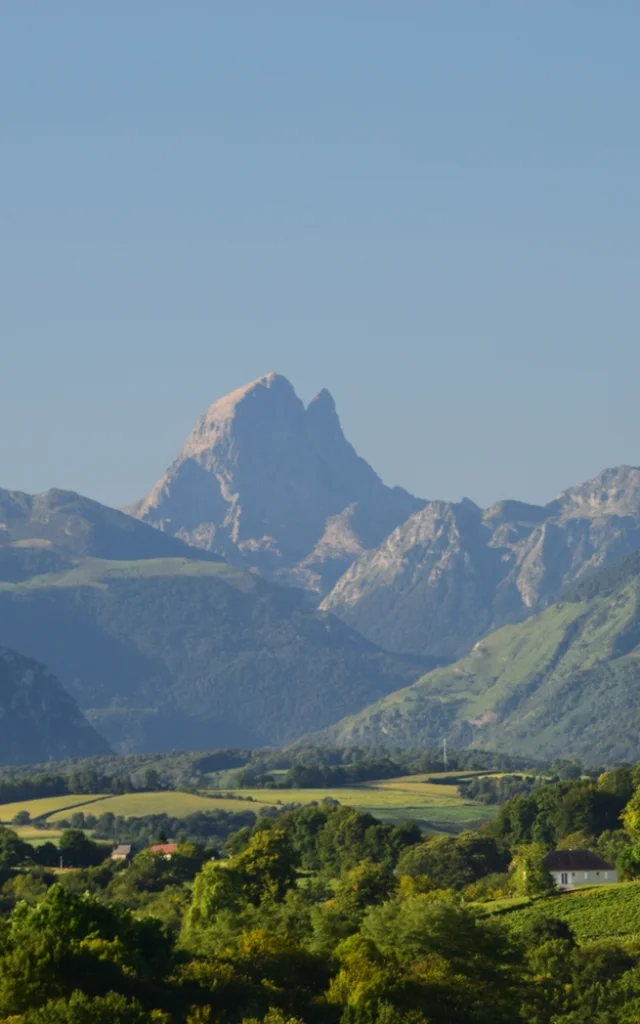
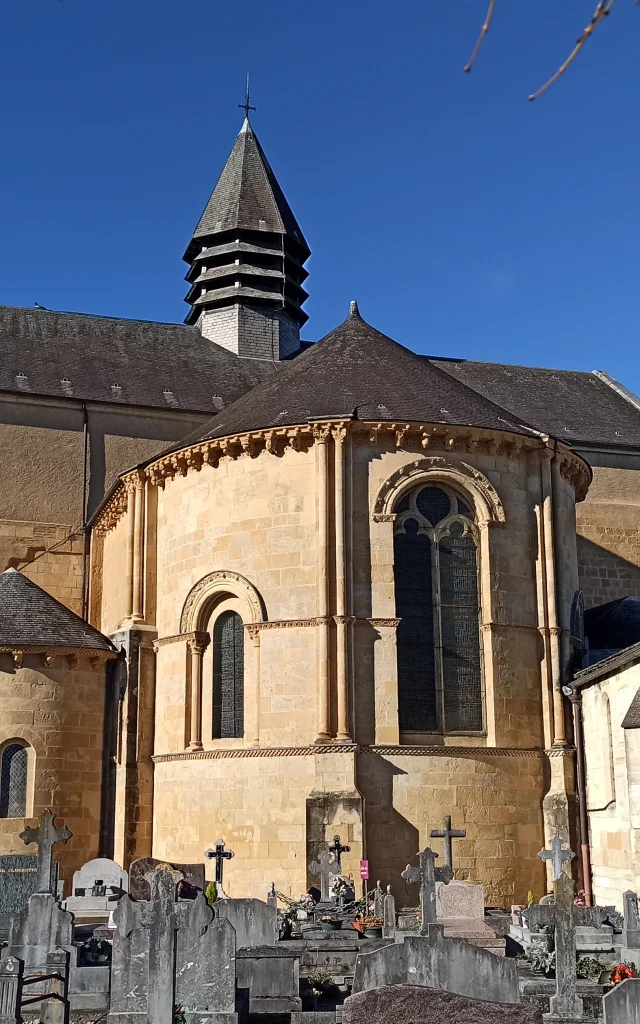
To the west of Pau lies Lescar… This ancient episcopal town provides a stunning setting for the Romanesque cathedral of Notre-Dame-de-l’Assomption. Built on the site of the ancient Roman town of Bénéharnum, from which the Béarn region takes its name, it invites visitors to contemplate the Pyrenees mountain range. It is an unmissable stop on the Via Tolosa, which pilgrims on the Way of St James have been following for centuries! From Pau, a winding climb will take you back in time. After one or two sharp bends, the narrow streets lead you to the foot of the cathedral, surrounded by Béarn-style façades weathered by the weight of two millennia of history.

Getting there

The Cathedral

Lescar was the first capital of Béarn in the Gallo-Roman period.
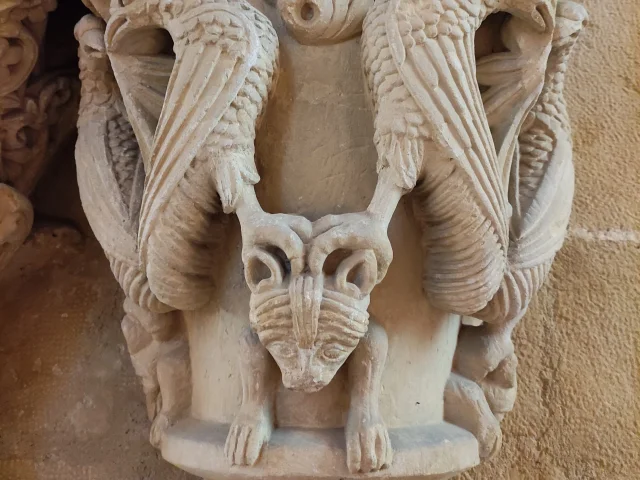
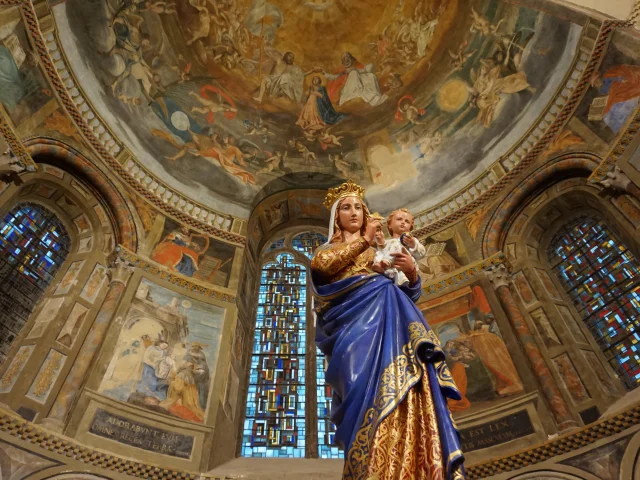
The Cathedral of Notre-Dame-de-l’Assomption is its jewel. It is here that the rulers of the Kingdom of Navarre are laid to rest, including the grandparents of Henry IV. Lescar Cathedral is home to a wide variety of carved and painted medieval decorations. It also houses, within its nave, a stunning and precious mosaic, a treasury and a listed monumental organ.

It’s a must-see! And if you pop intothe Tourist Office, opposite the cathedral, we’ll let you in on some secrets that will make your visit truly thrilling. Push open the heavy wooden entrance door and you’ll find yourself inside the cathedral: imposing, slender and elegant, it welcomes you with all its Romanesque grandeur. Walk on towards the apse, just a little further… There you are, facing one of the building’s jewels: the mosaics by Gui de Lons.
The mosaic at Le Maure

This 12th-century marvel was unearthed during renovation work in 1838. The hunter with his olifant, wild beasts and other wild animals depict two scenes of medieval hunting. The highlight of this masterpiece is the mysterious mosaic of the ‘little Moorish hunter’. According to legend, the protagonist, captured in Zaragoza during the Reconquista, lost a foot. He is depicted fitted with a wooden leg, hunting and practising archery without any hindrance… It is the oldest known depiction of a prosthesis in the West! Now the emblem of Lescar, the one-legged Moor is the star of this venerable building!

‘Lord Guido, Bishop of Lescar, had this floor laid’
Lord Gui, Bishop of Lescar, had this paving laid.

The ramparts and the bishop’s palace Gallo-Roman foundations

On the south side of the Place Royale stands the presbytery tower. Once you’ve passed through the wooden door, the narrow staircase will lead you to the town’s southern ramparts. You are now in the oldest part of the town, whose foundations date back to the 1st century, to the time of the ancient Gallo-Roman town of Bénéharnum, situated below. Restored many times over the centuries, these ramparts have protected the town’s development.

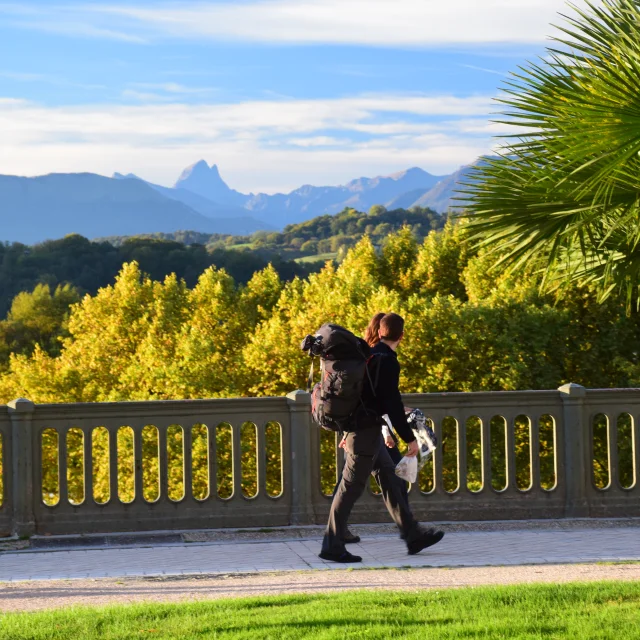
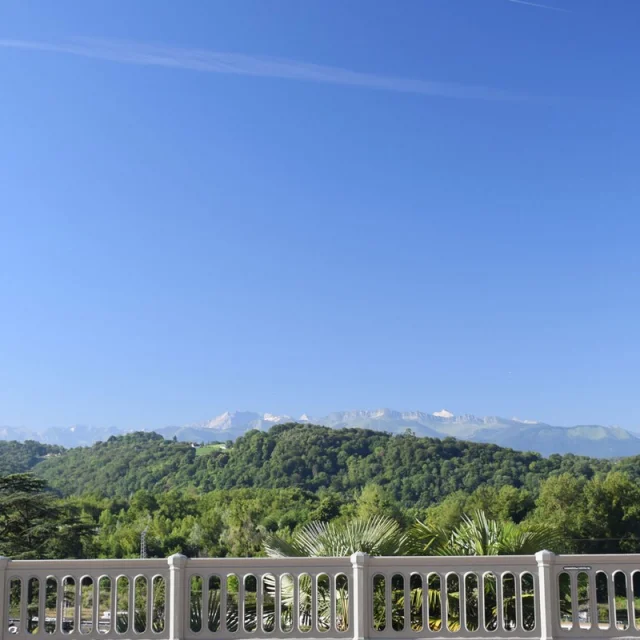
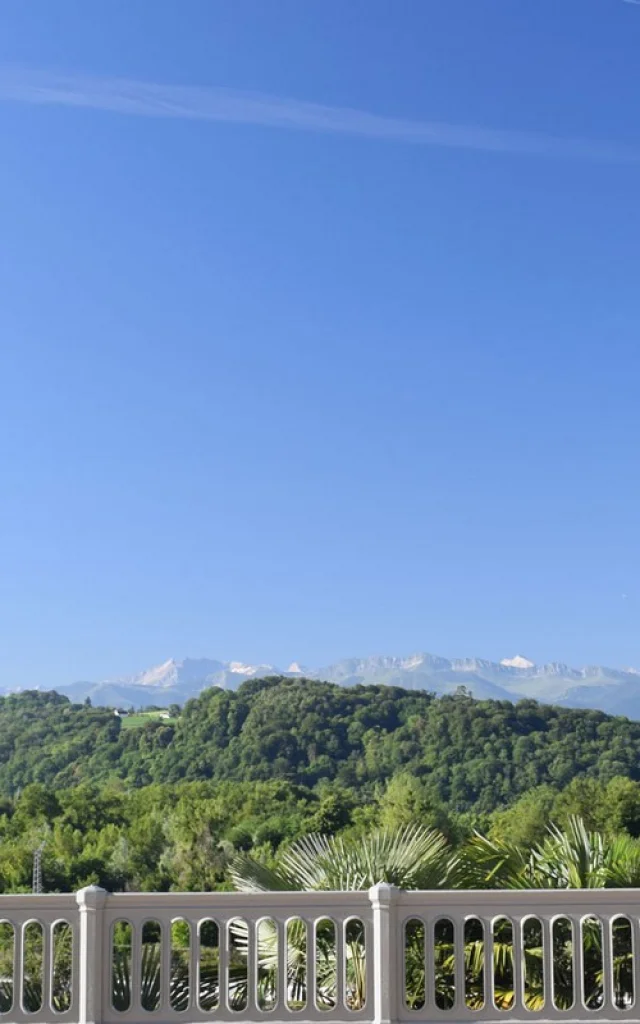
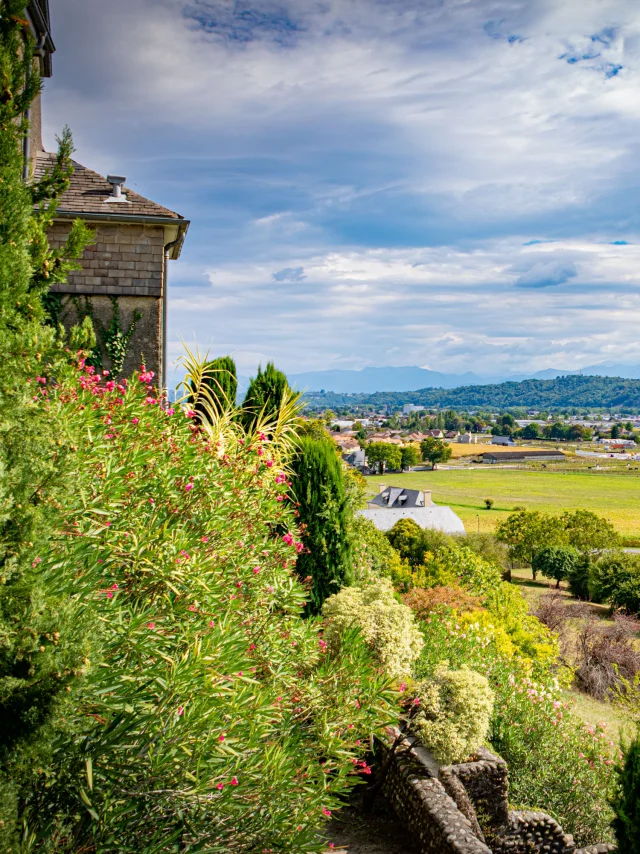
Take a moment to pause and reflect: before you lie the Pyrenees and the serene natural beauty of the charming garden terrace in the town of Lescar.

On the Way of St James

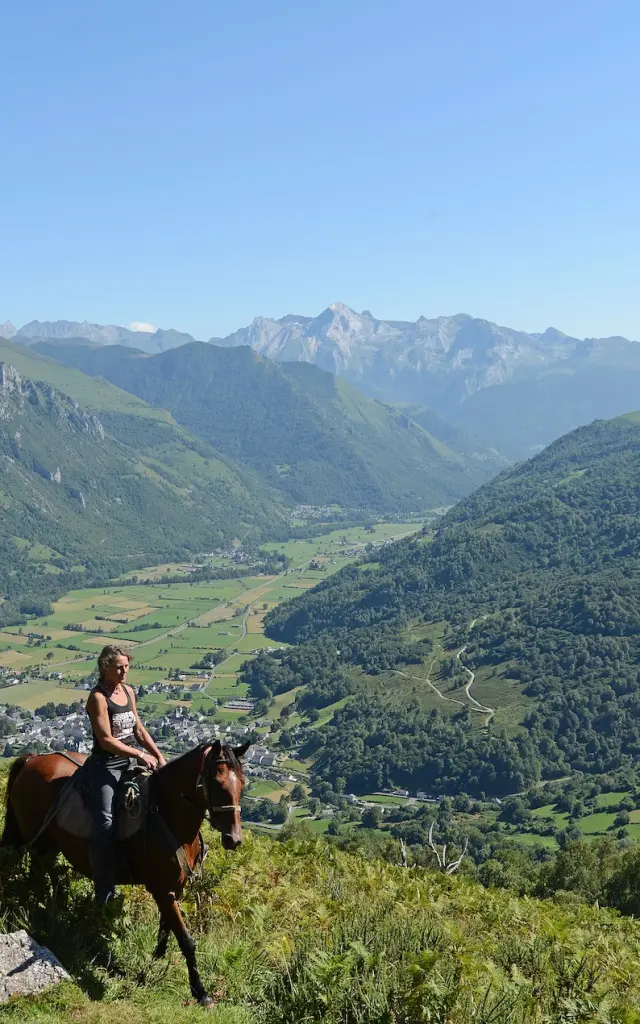
Lescar is situated on the Via Tolosa and has always provided shelter for pilgrims. It is also a starting point for walks for enthusiasts.

Getting to Lescar
  • By bus (approx. 30–40 mins) from Pau railway station
  • By car (20 mins).
  • By bike (30 mins) via the loop from the Gave de Pau to Lescar.
Emmaus Village

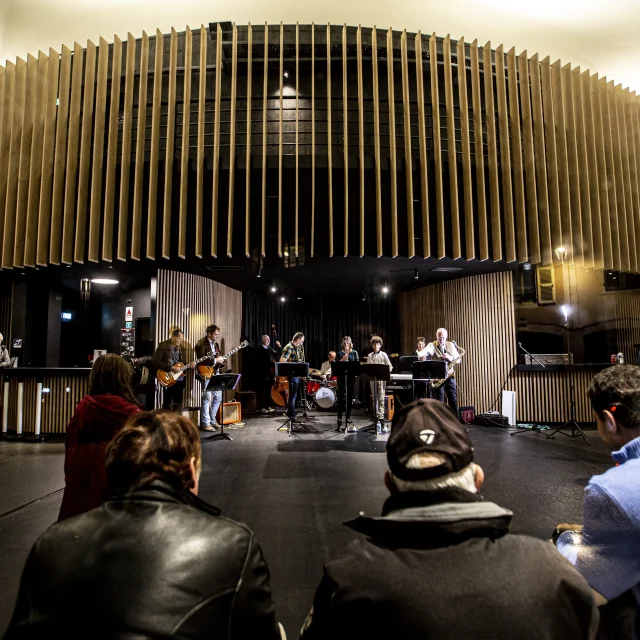
The Emmaus village is a destination in its own right, where you can browse for recycled items, take part in workshops or enjoy a meal. A music festival is held there every summer.

When it rains

In Lescar, the Wright brothers opened the first aviation and pilot training school. Aviation enthusiasts will not want to miss the Aviation Memorial Chapel and the Parachutists’ Museum.

A museum dedicated to a distinguished history

Tucked away in the former cellars of the bishop’s palace, the museum houses a collection of archaeological artefacts dating from the Bronze Age to Antiquity. Works of art and everyday objects bear witness to the bustling activity of this ancient city.

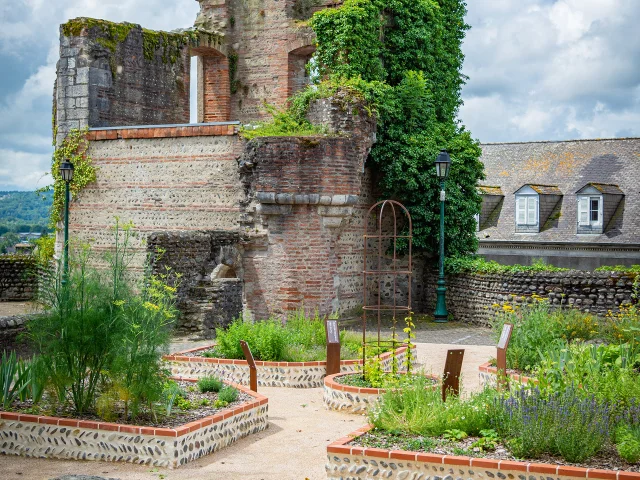
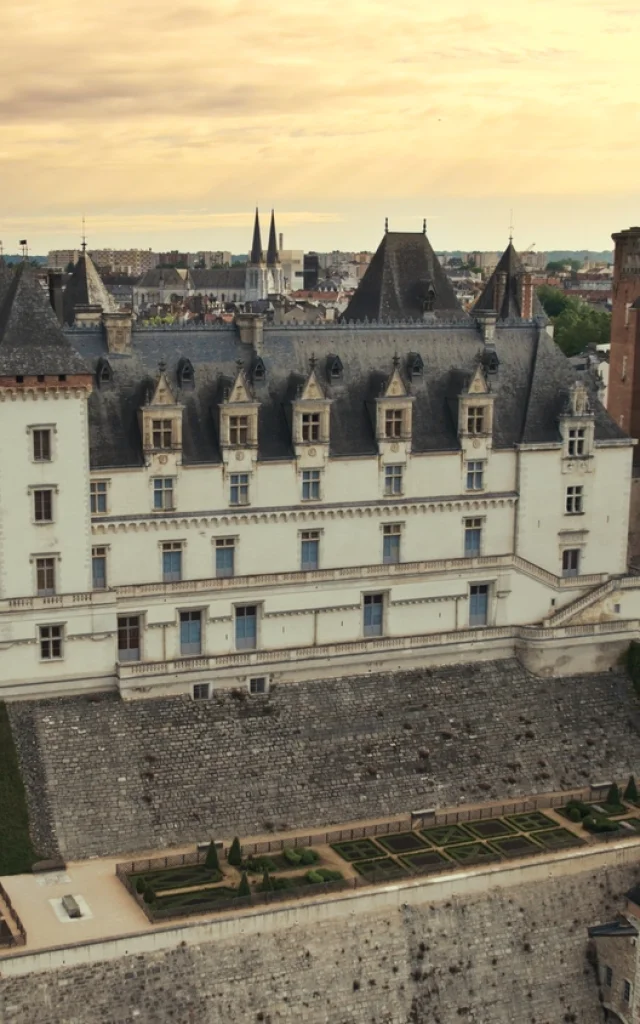
Cross the Place de l’Évêché, whose unassuming appearance belies its glorious past: the bishop’s palace once stood proudly here in the 14th century. Destroyed during the Revolution, its former presence can still be glimpsed through a few scattered ruins: the remains of the imposing watchtower, the prison and its dungeon – still visible today – and the old stair tower attached to the palace.

On the ground, right next to the charming little reconstructed medieval garden, four Merovingian sarcophagi stand as silent witnesses to this history.

The Barnabite School

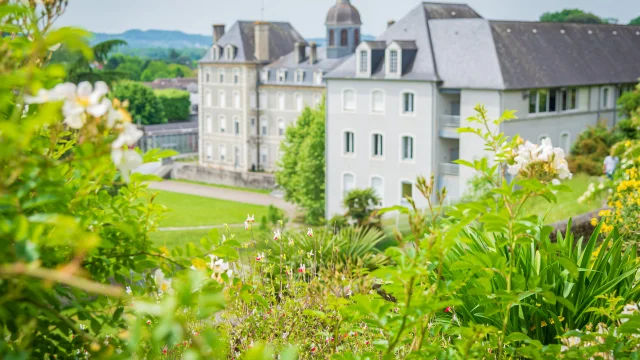
In Lescar, you will also find the former Barnabite college. Today, it is home to the ‘Jacques Monod’ state secondary school, which is situated within the large 17th-century canons’ park.

Not to be missed Around Lescar

Lescar FAQ Medieval town