Harvest 02 La Cave De Jurancon
©

Harvest 02 La Cave De Jurancon

|

Cave coopérative de Jurançon – Gan

The expertise of Jurançon Harvest time

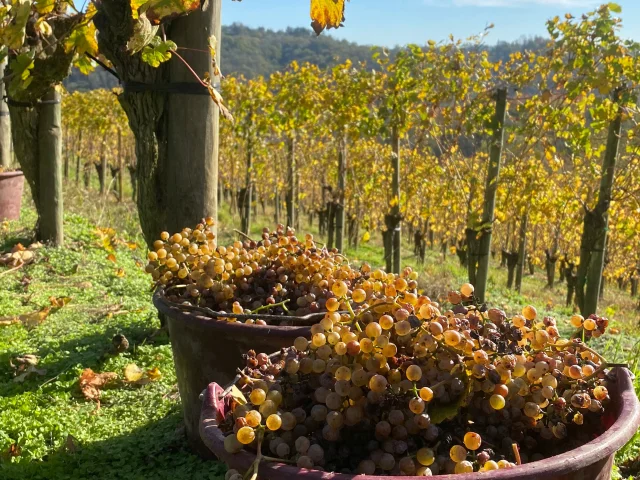
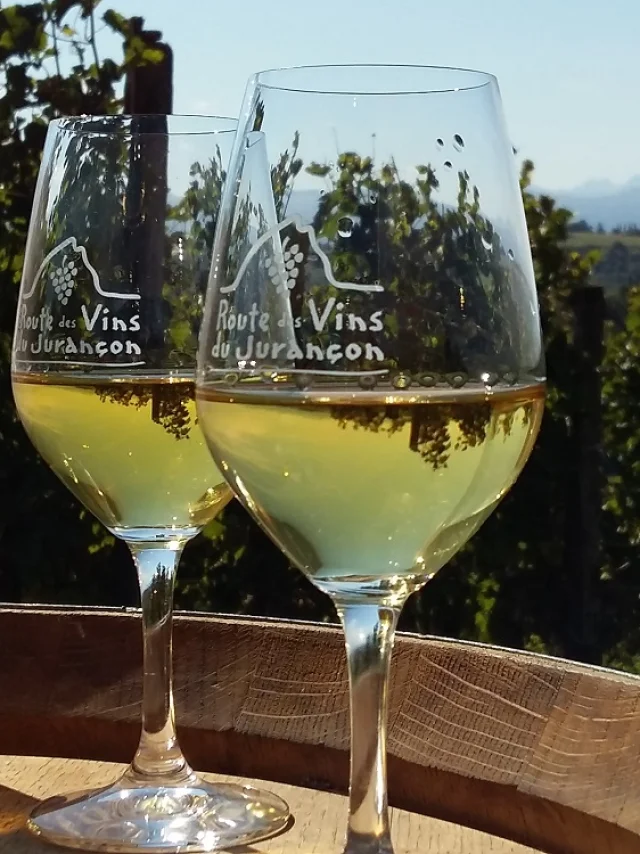
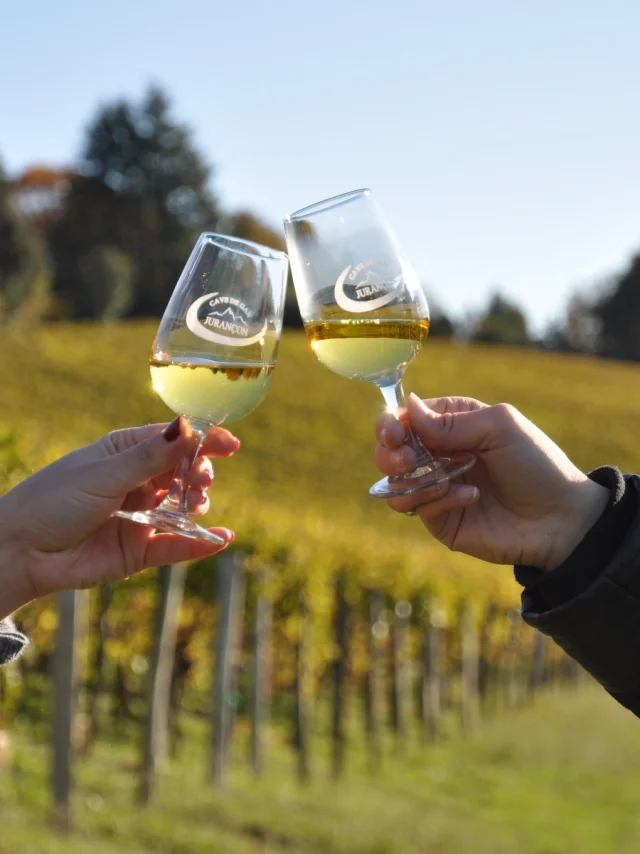
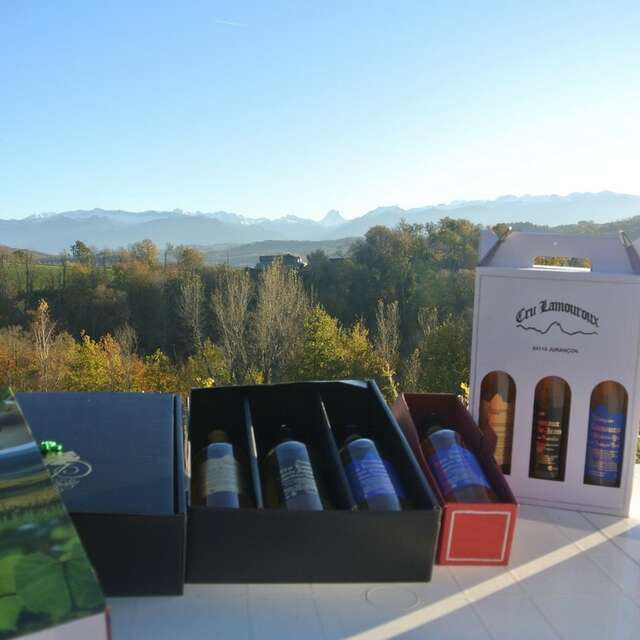
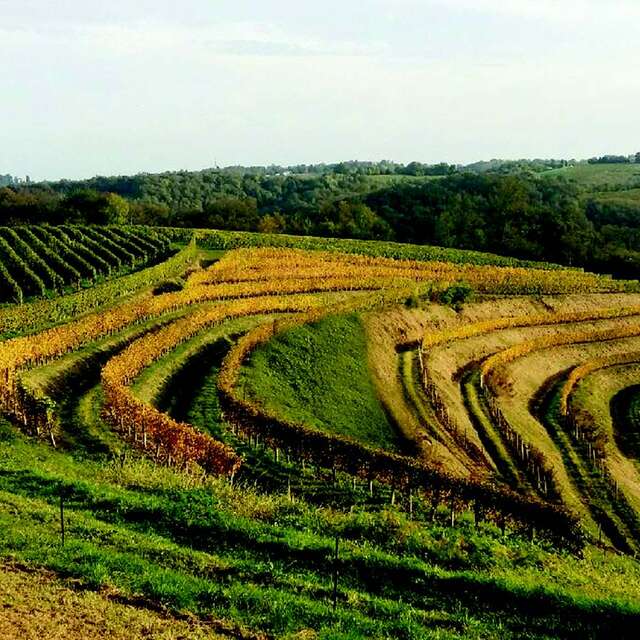
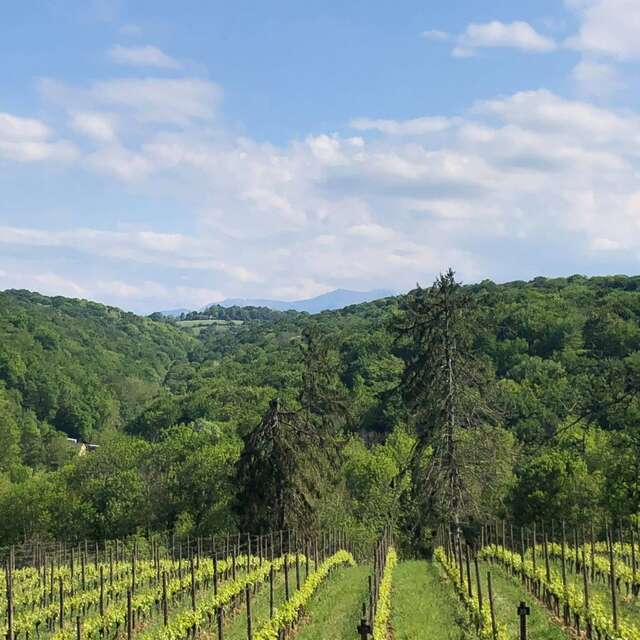
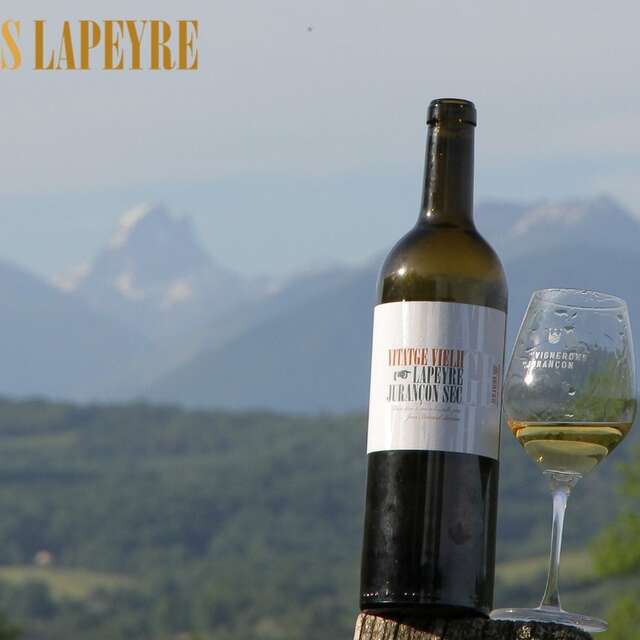
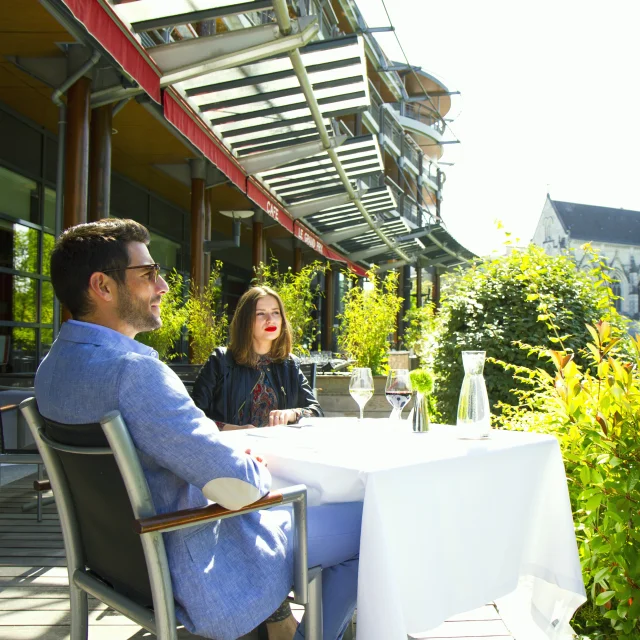
Here we go! As September heralds the arrival of autumn, Pau and the Béarn region are bathed in golden hues… The grapes are ripe and the vineyards buzz with the sounds and bustle of the grape harvest. An intense and festive time that marks the Béarn Indian summer in the shadow of the Pyrenees. From October to December, Gros Manseng and Petit Manseng take centre stage. Skilful grape-pickers, sorting the bunches, pressing… The grape juice rises to become a precious golden nectar, the wine of kings, the king of wines… This Jurançon, lively and delicate, rich and sweet, which we love to savour in the evening with a view of the Pyrenees!

The grape harvest in Jurançon

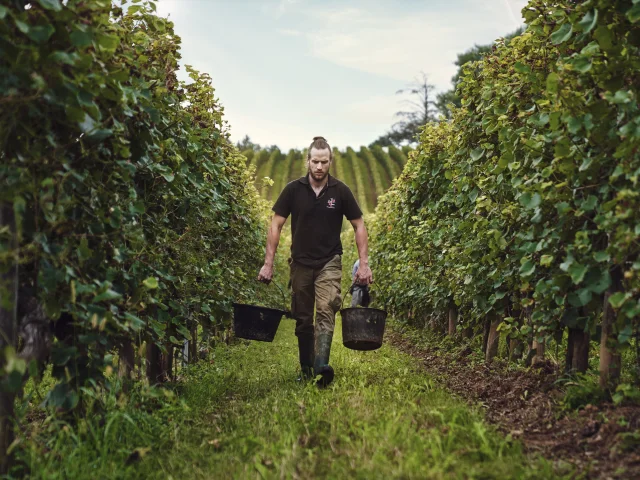
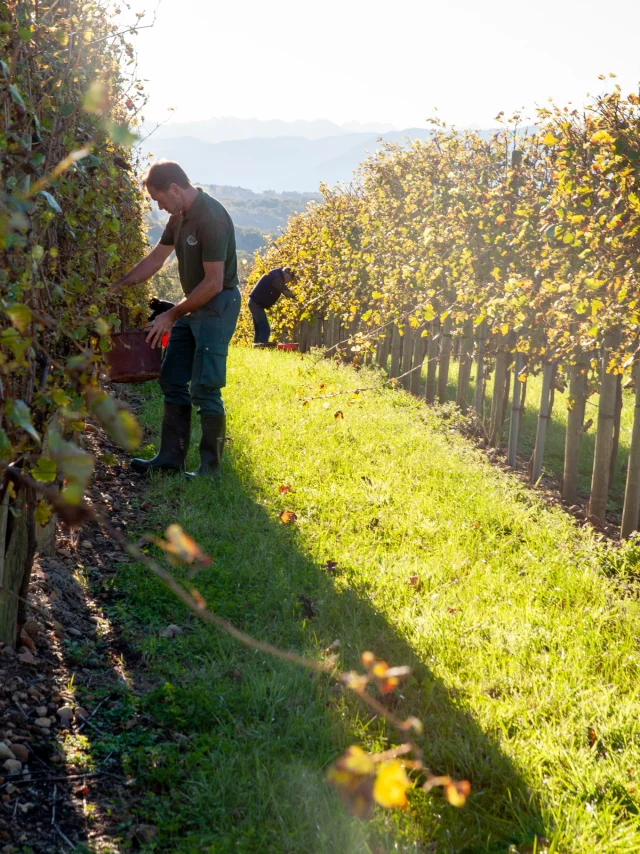
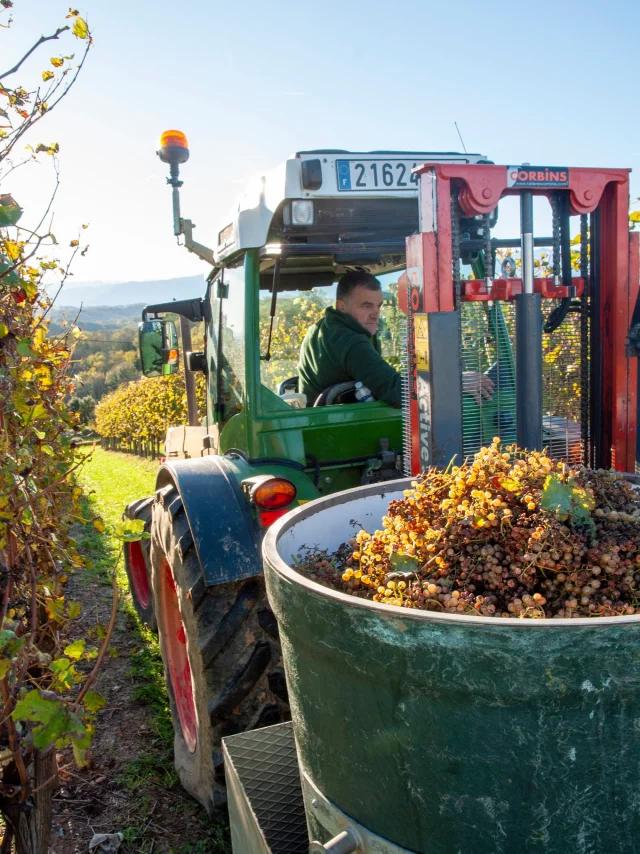
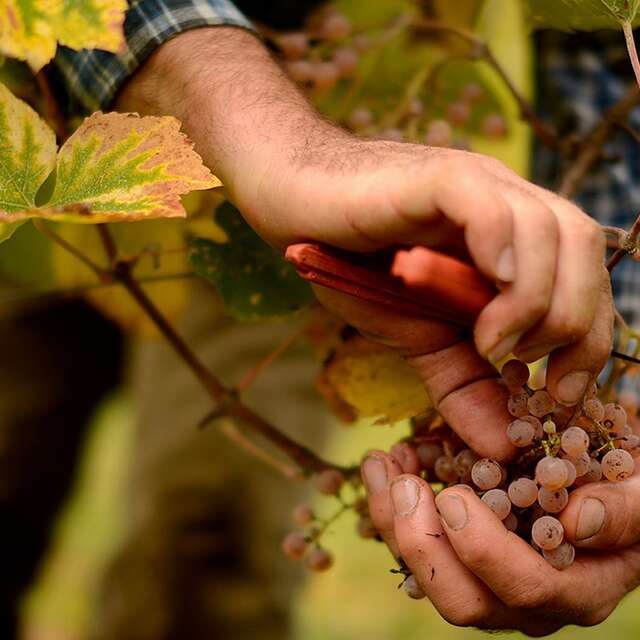
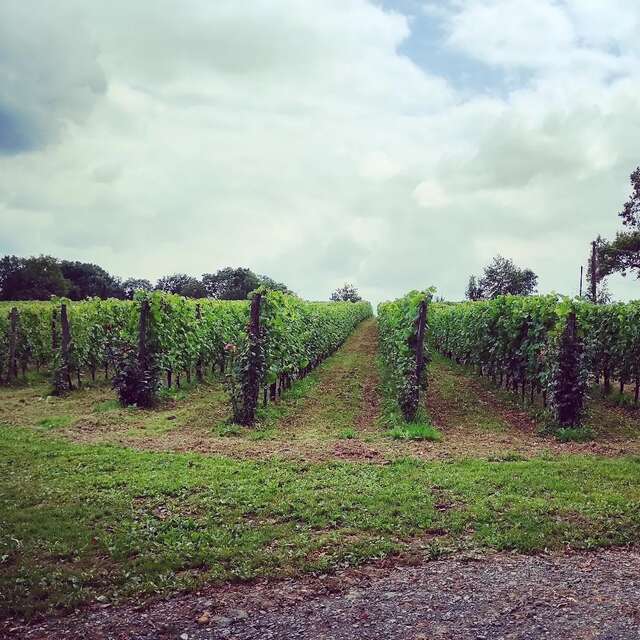
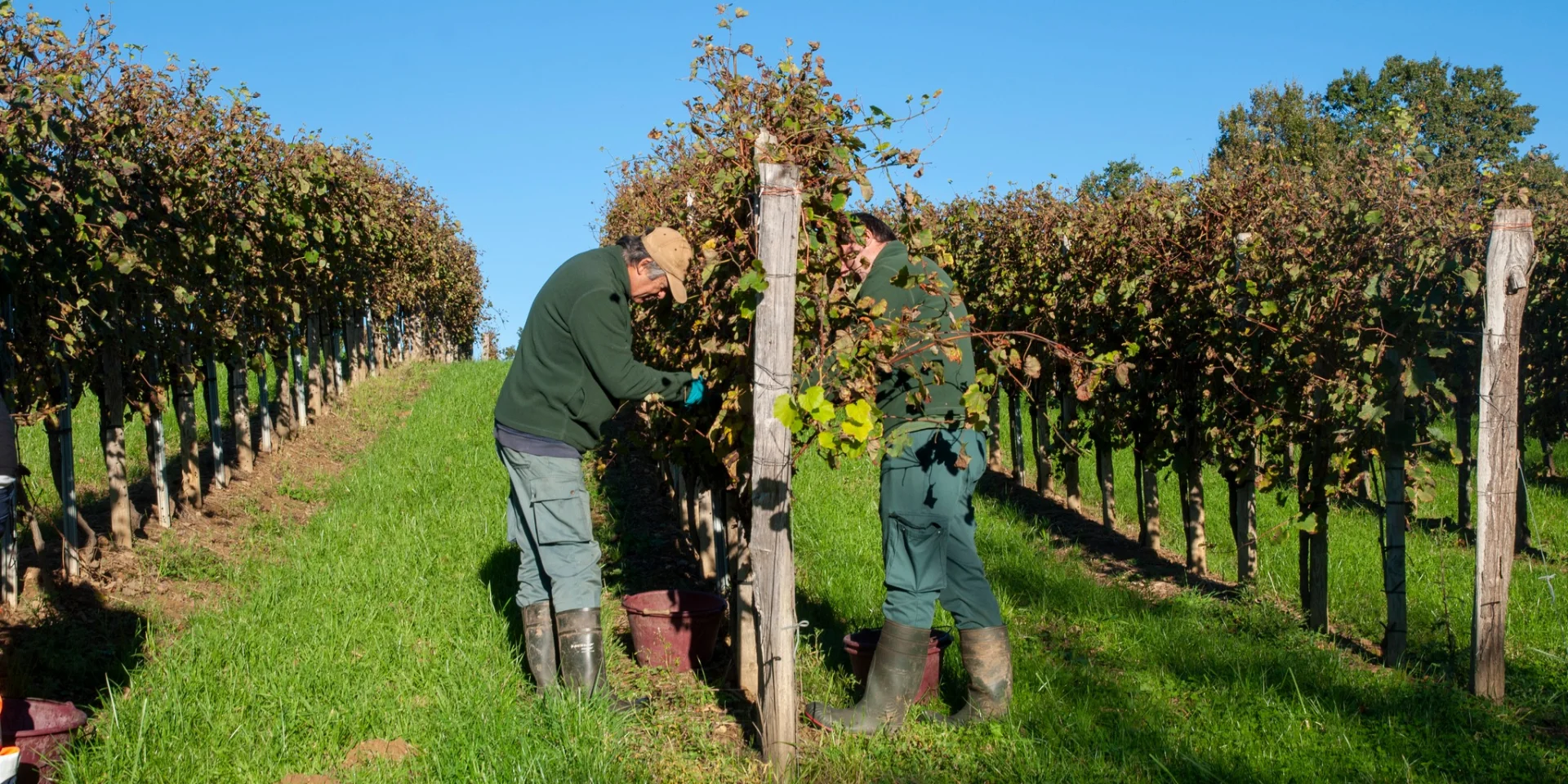
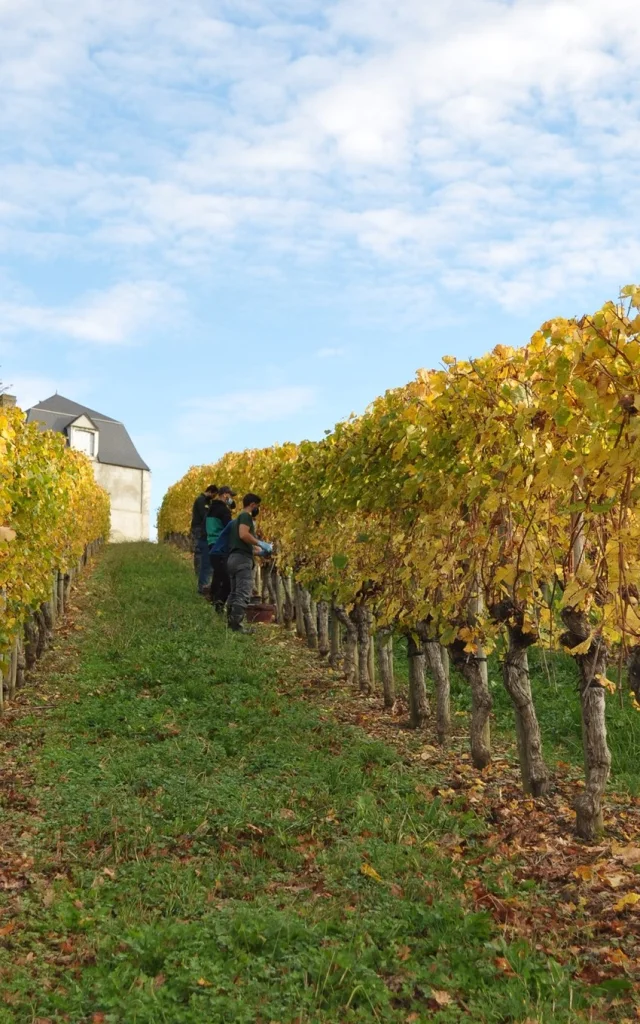
In Pau, it’s an Indian summer, whilst in the Jurançon appellation, harvest time has arrived! Carried out by hand, the harvest demands the full attention of the men and women who carefully sort and pick the finest bunches of grapes.

  • September–October: The first harvest is used to produce dry Jurançons and the lightest sweet white wines.
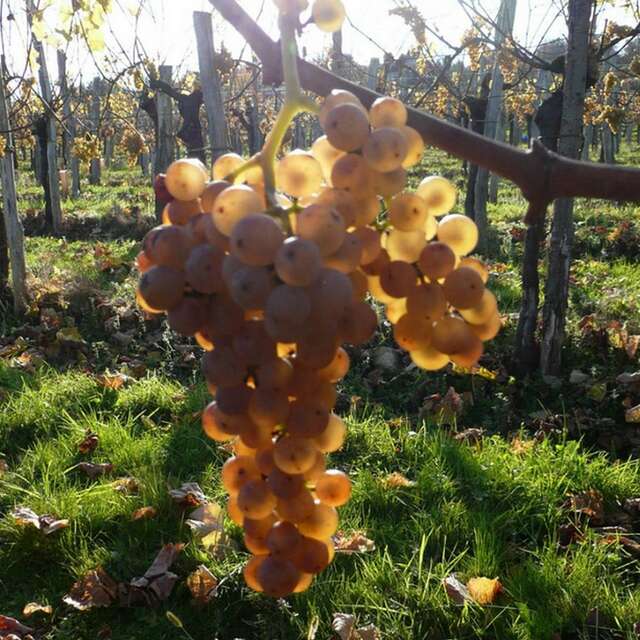
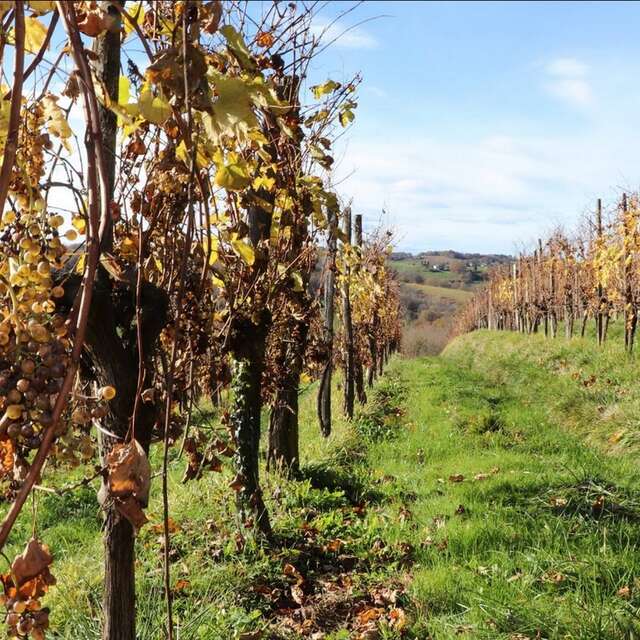
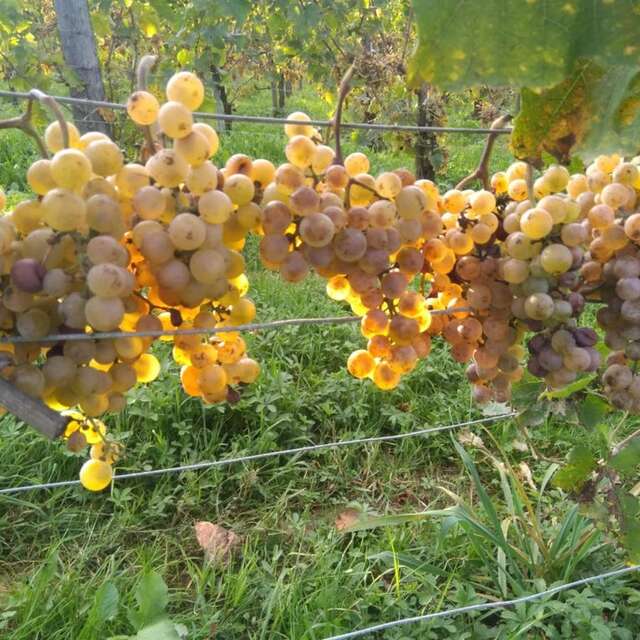
  • November–December: These grapes will yield less juice but more sugar, thanks to the gentle autumn sun and cooler nights. Allowing the grapes to dry on the vine results in fuller-bodied and more aromatic Jurançons.
Late harvest

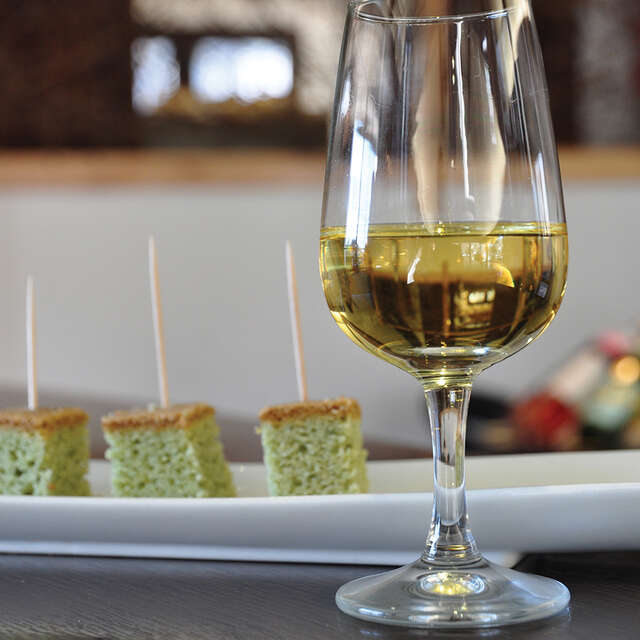
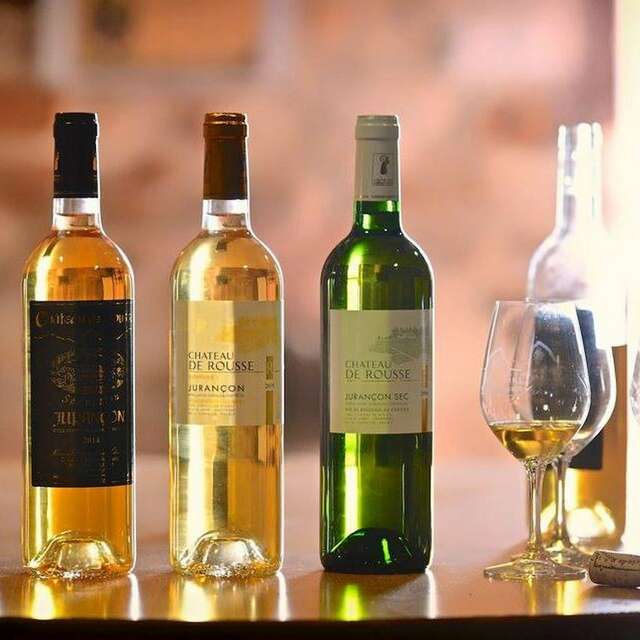
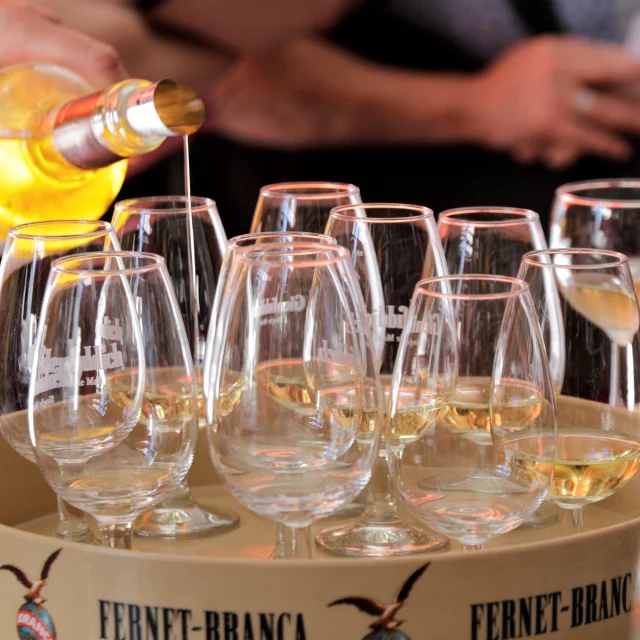
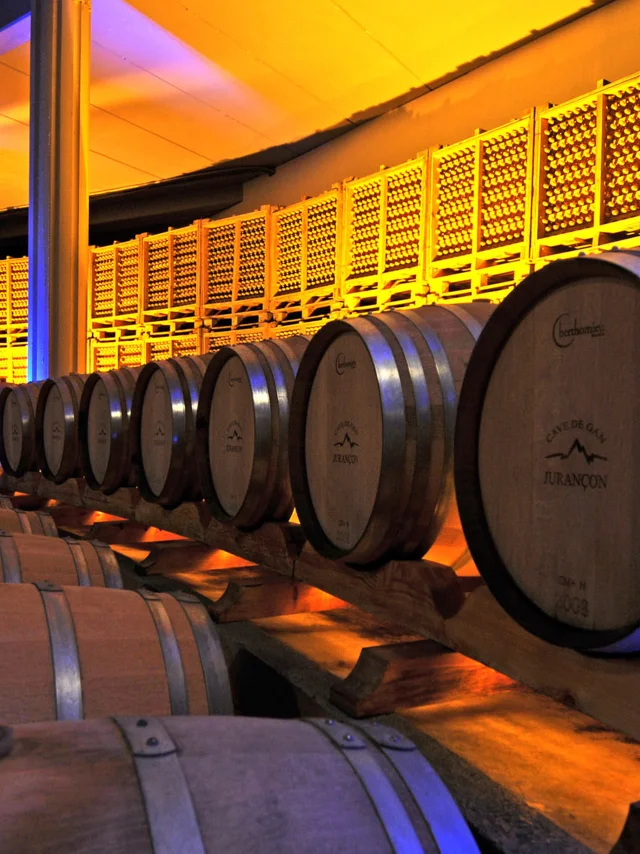
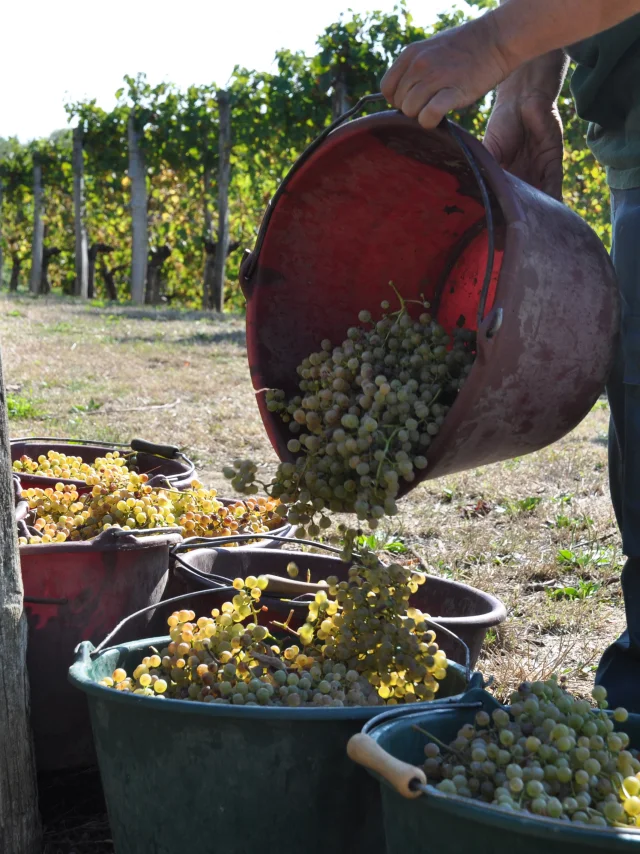
The late harvest takes place from mid-November to the end of December, once the Föhn – that warm southerly wind – has blown and dried out the grapes. Wilted and sweet, they produce a concentrated, golden-yellow wine, aged for 24 months in oak barrels, with delicious aromas of dried and candied fruits, including walnuts, apricots, honey, gingerbread and quince paste!
It was not until 1996 that the Jurançon AOC was awarded the ‘Vendanges Tardives’ designation.

Wine-making in Jurançon From grape to bottle

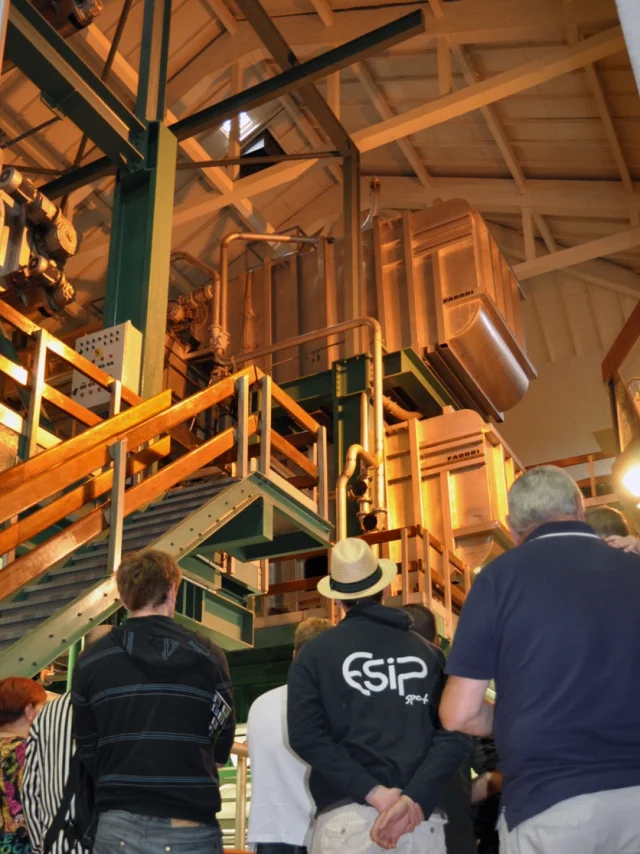
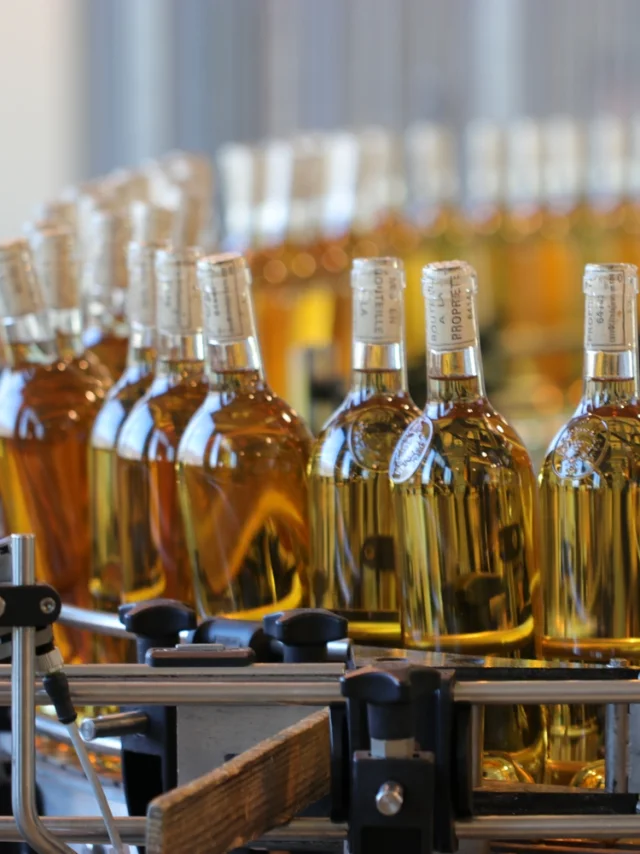
The grapes arrive at the cellars in ‘douils’ (large 300-kg casks). The bunches are weighed and their sugar content measured. Each harvest is identified, destemmed, macerated and pressed. The juice obtained is then transferred to vats for fermentation for two or three weeks, during which time it is analysed, tasted and monitored, before being stored to age in vats. Each vintage, each estate and each wine has its own set of specifications that define its unique character. The wine’s maturation process concludes with bottling.

‘Bourret’ is the first grape juice pressed whilst still fermenting and is therefore slightly sparkling. Very low in alcohol, it delights many families in the Béarn region every autumn with its aromas of citrus and exotic fruits, and is a perfect accompaniment to a tasting of Pyrenean‘castagnes’(chestnuts)!

In the vineyards

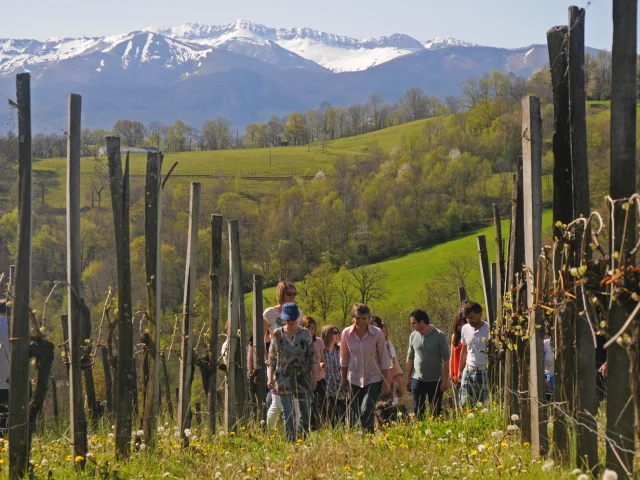
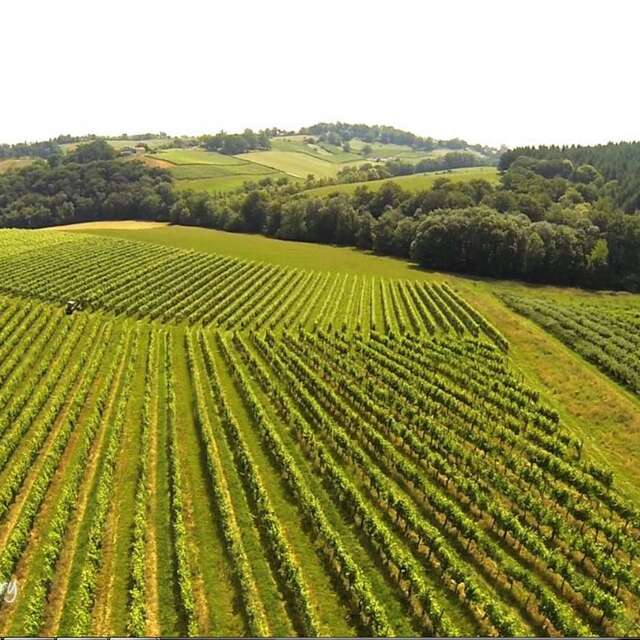
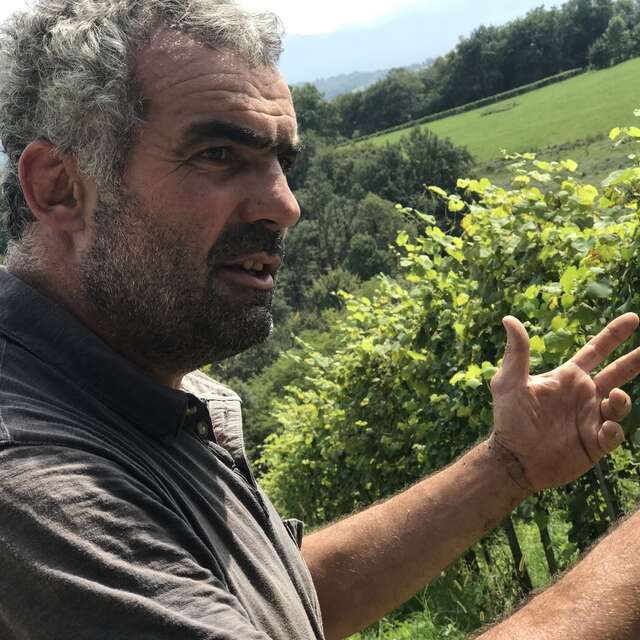
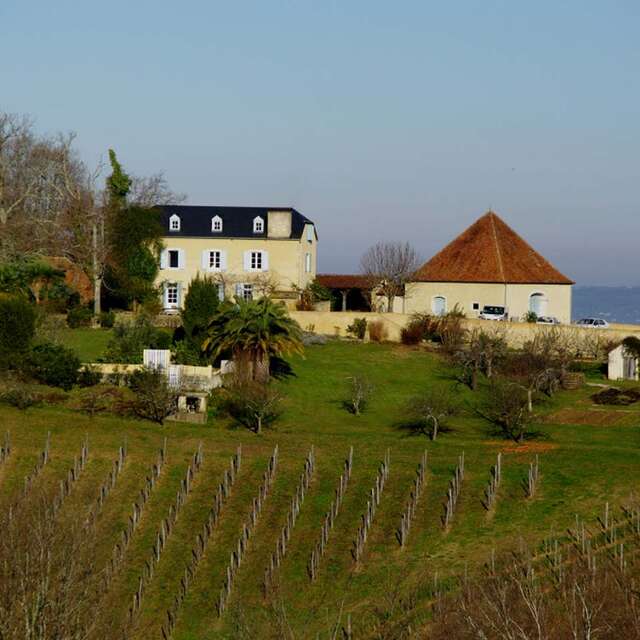
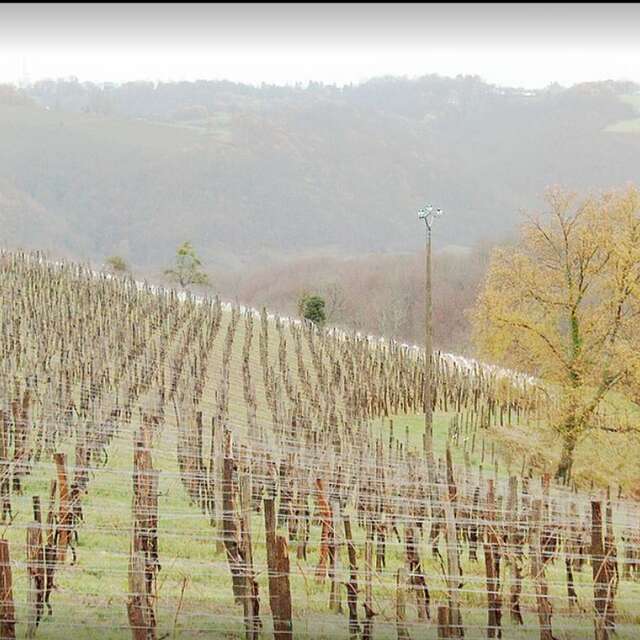
During your walks or strolls through the vineyards, you’ll see the men and women hard at work creating the great wines of Jurançon.

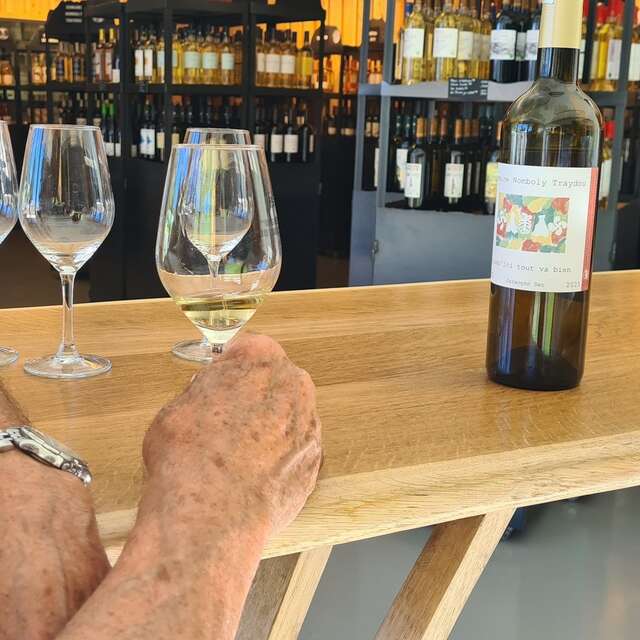
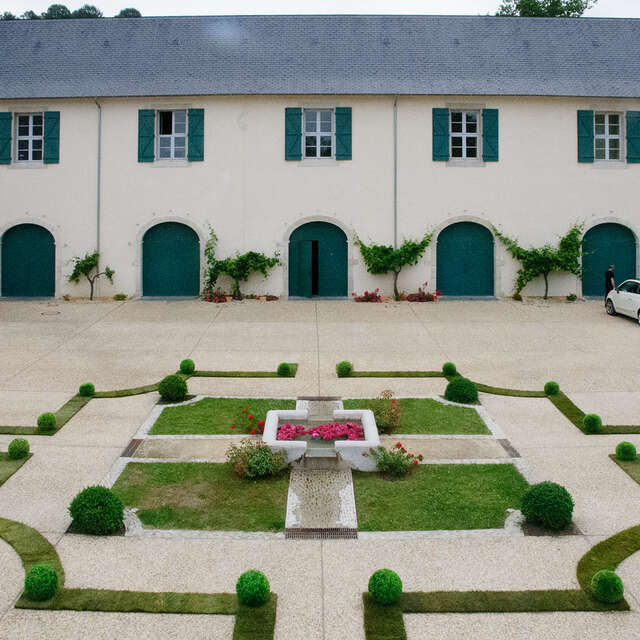
During your visits to the cellars, feel free to ask them any questions you may have. Our winemakers and winegrowers will be delighted to share their passion for this great wine – one that is sometimes under-appreciated, but whose history is inextricably linked to that of our region!

Jurançon FAQ Harvest time

A culinary treat in Pau the foodies’ corner