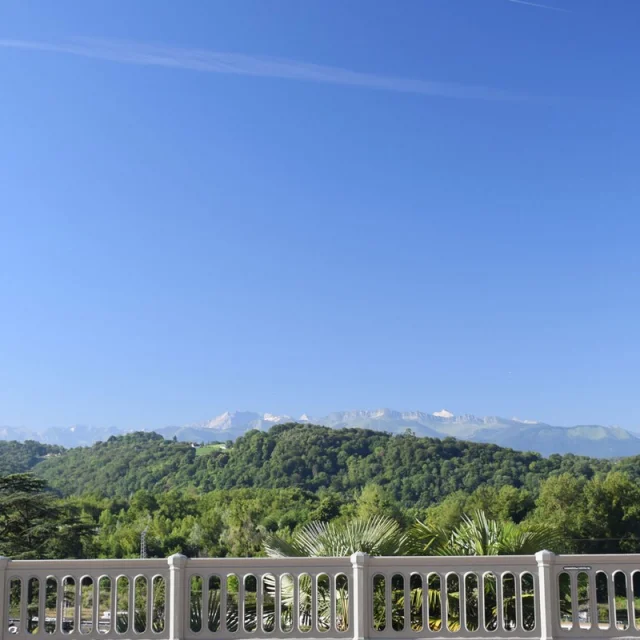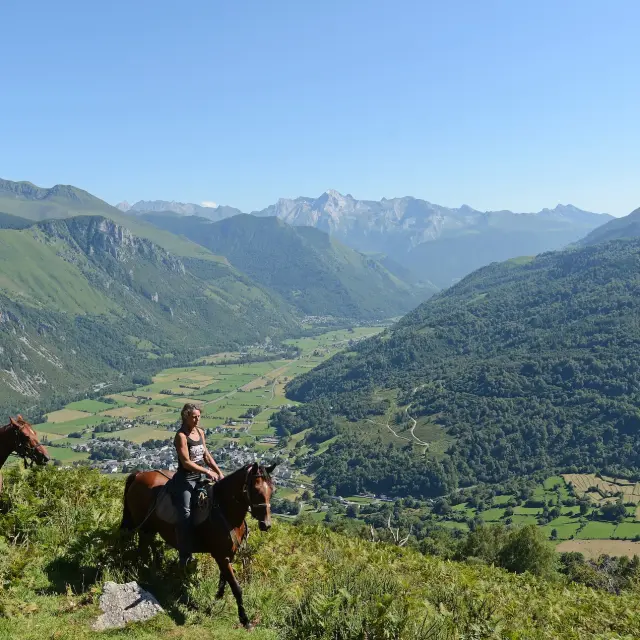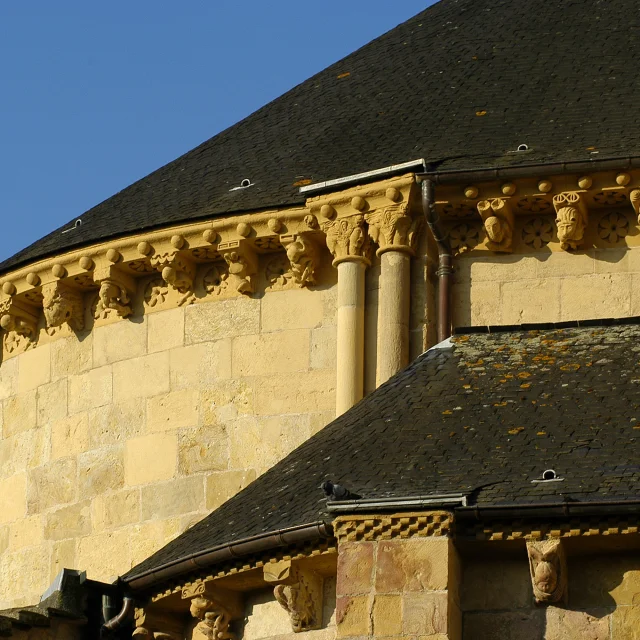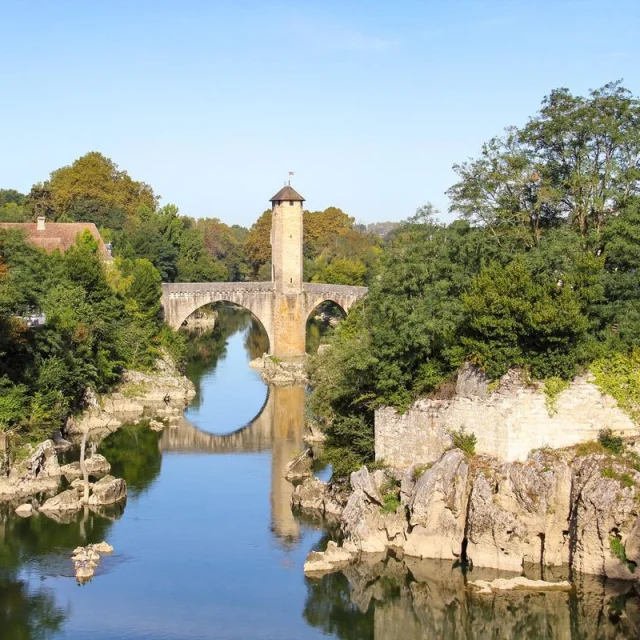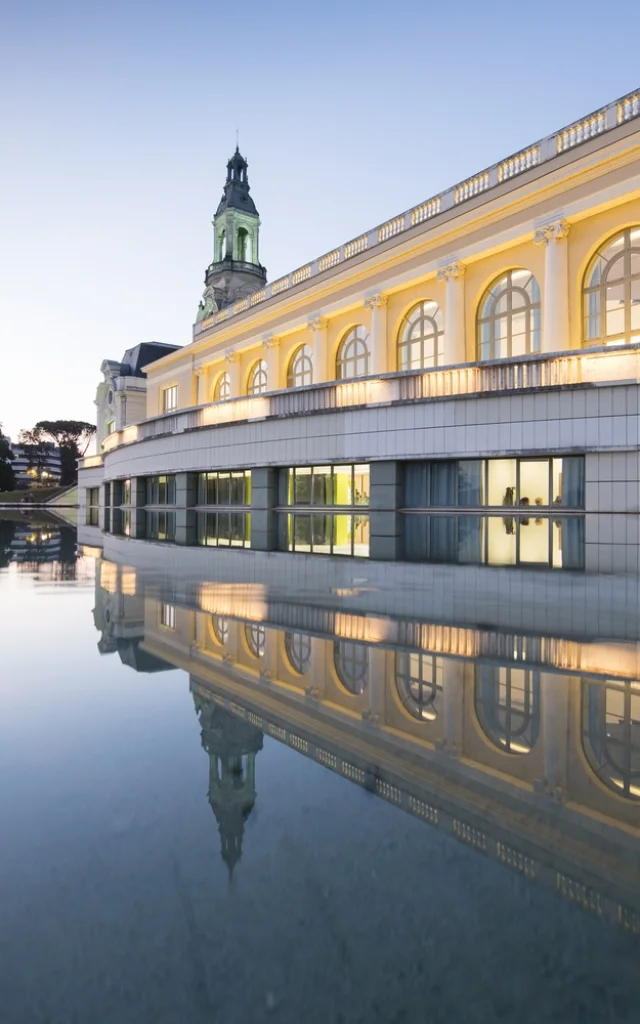
Chateau Pau Aerienne Patrice Gabelin
©

Chateau Pau Aerienne Patrice Gabelin

|

Pau Pyrénes Tourisme / Patrice Gablin

Castle District An impregnable fortress

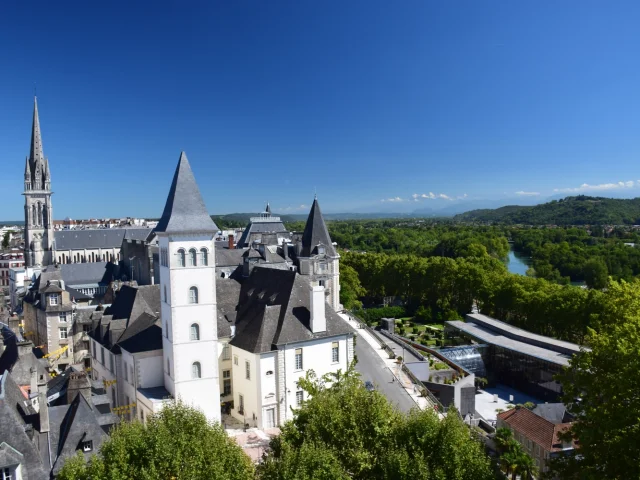
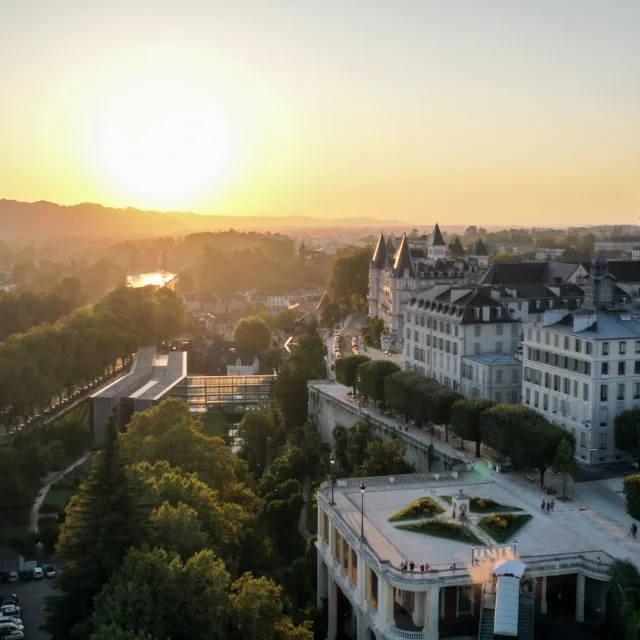
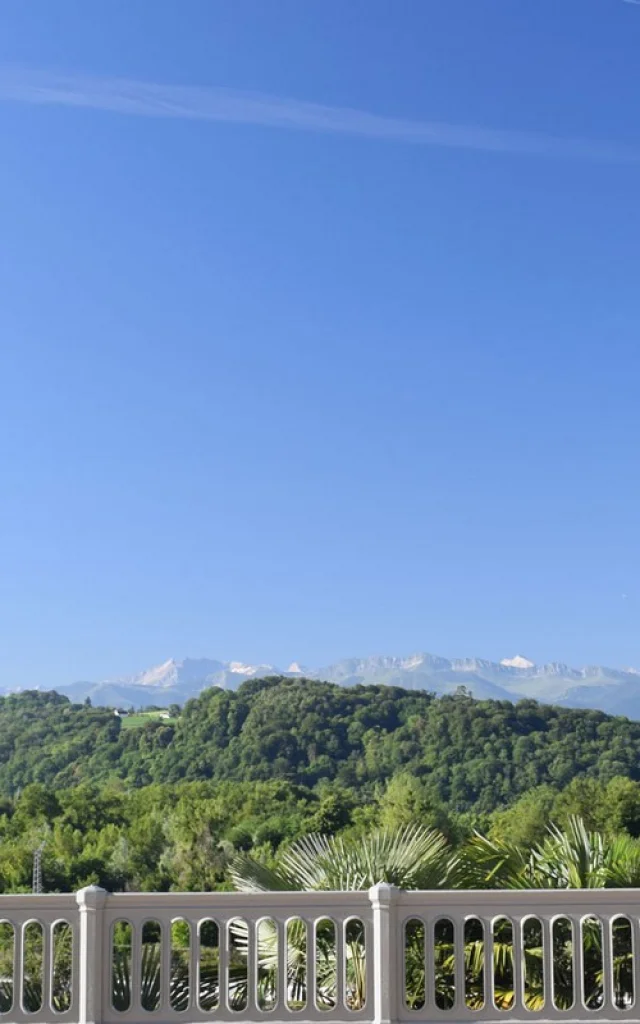
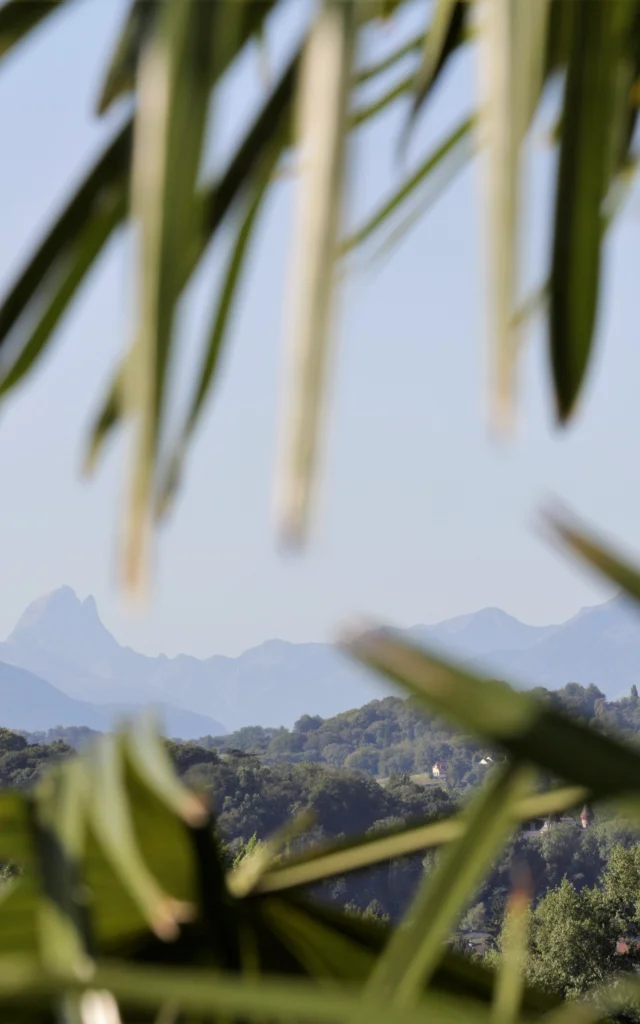
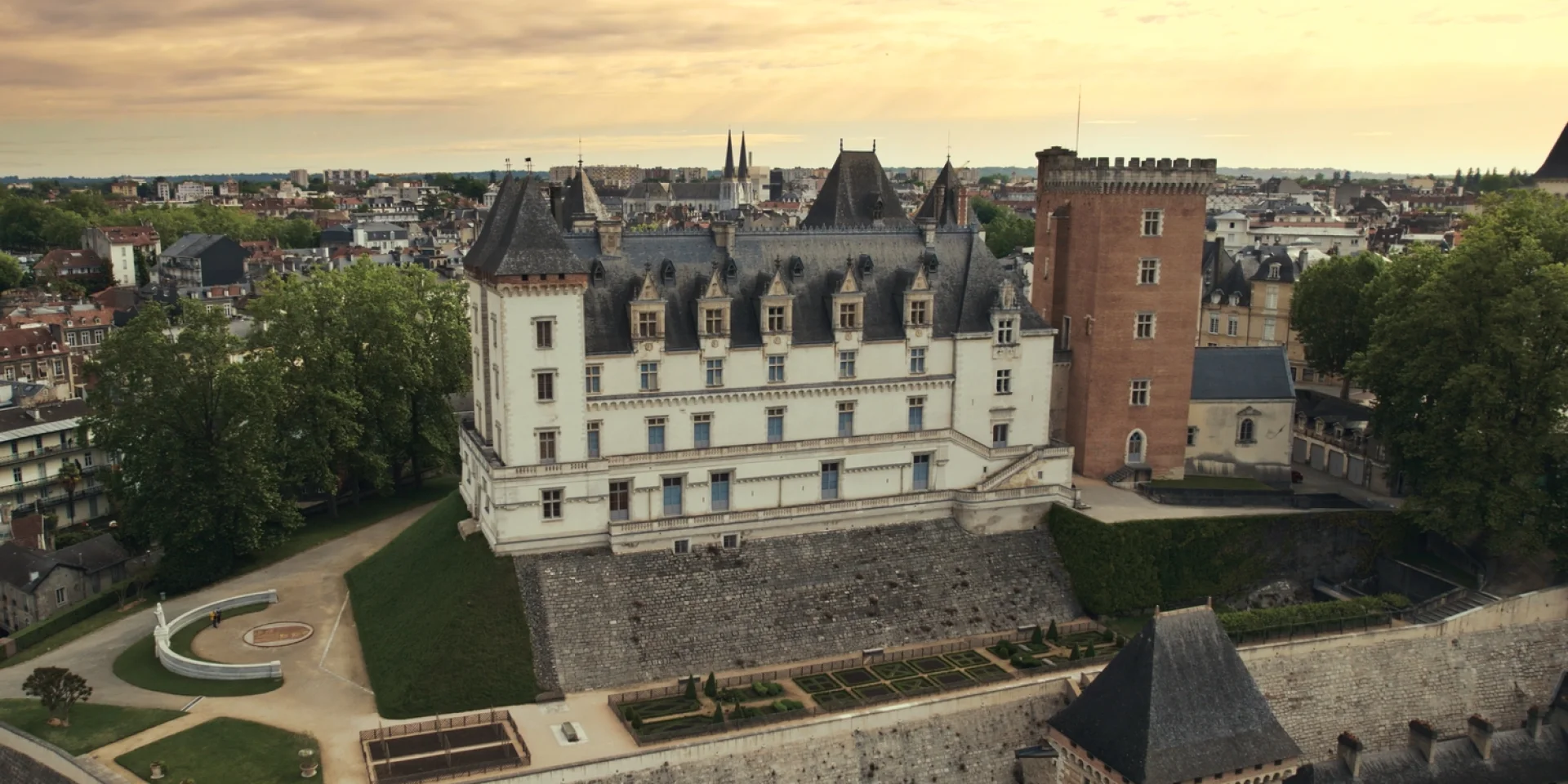
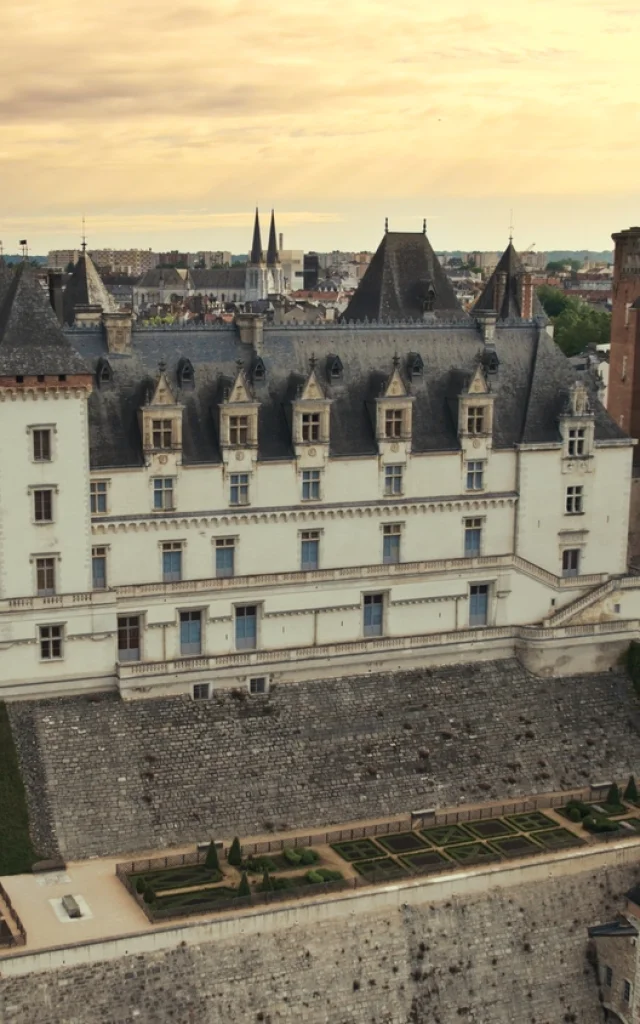
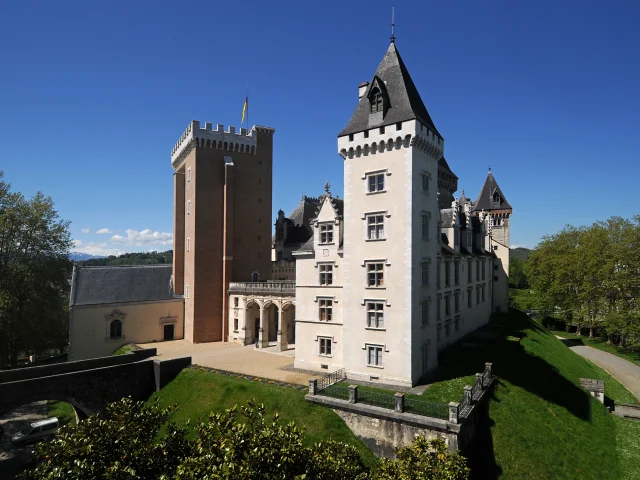
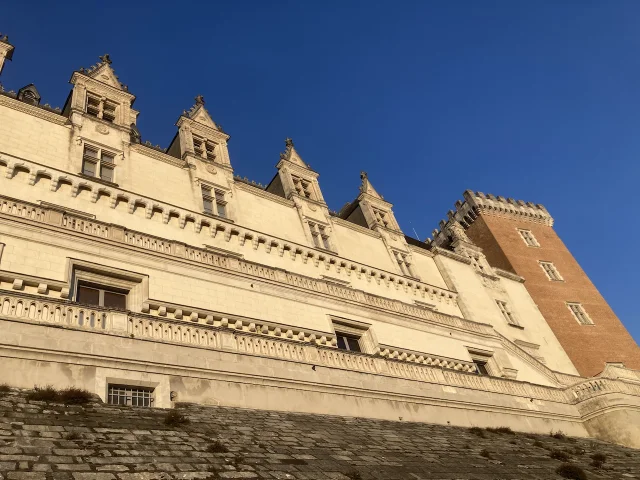
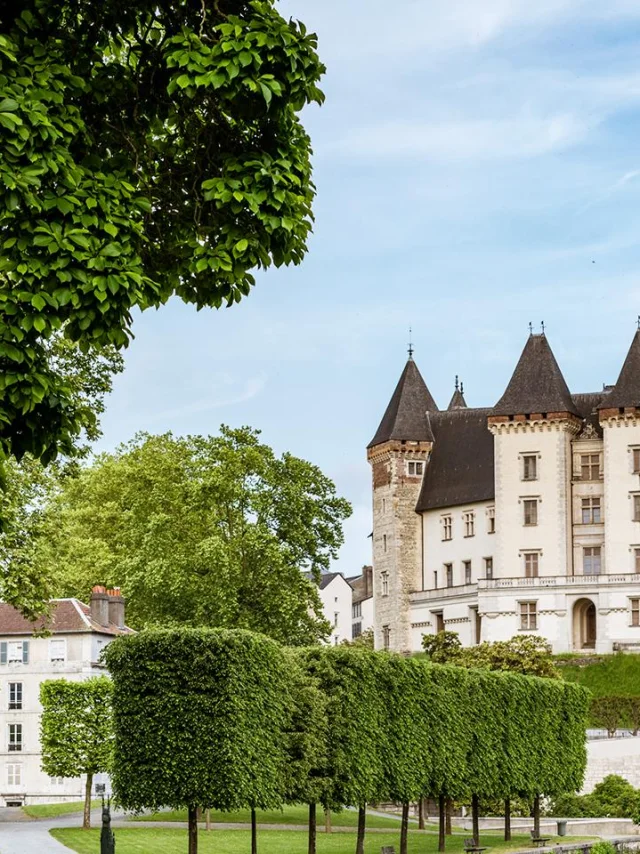
The castle district takes you back to the rich history of the capital of Béarn, home to the Viscounts of Foix and Béarn, Gaston Fébus, Jeanne d’Albret and the Kings of Navarre. An iconic landmark inextricably linked to the history of Pau, the Château overlooks the Gave and stands facing the Pyrenees. An impregnable fortress and the residence of the Kings of Navarre, it is known as the birthplace of Henry IV. Its walls echo with 1,000 years of history that will whisper in your ear as you explore. The castle grounds comprise a vast park with centuries-old trees.

Getting there

A royal castle

The castle has long been at the heart of Pau’s administrative district. Originally a simple wooden fortification, it became a castle in the 12th century! The Viscounts of Béarn gradually reinforced it, and in the 14th century, Gaston Fébus, Count of Foix and Viscount of Béarn, transformed it into an impregnable citadel.

It became a royal castle when François Fébus ascended the throne of Navarre in 1480. The Renaissance brought a host of innovations, under the influence of Henri II d’Albret and Marguerite d’Angoulême (sister of François I).

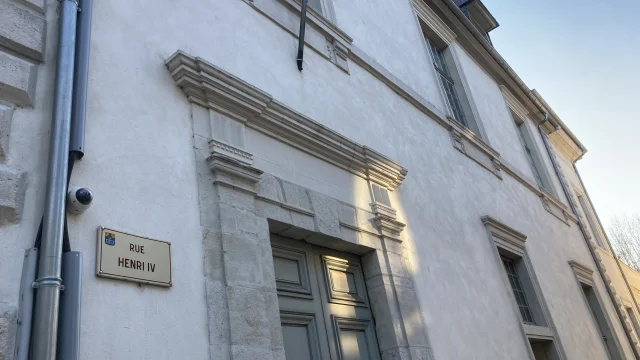
In 1553, Henri III of Navarre – the future Henri IV, King of France and Navarre – was born in a castle fit for a king of France and Navarre.
The Castle Museum

The opulence of the décor and the beauty of the rooms are sure to impress everyone. The National Museum at the Château de Pau offers guided tours of its stunning collections. Sumptuous tapestries, unique paintings, rare books and precious furniture bear witness to a glorious past. A journey through time from which you will emerge with your eyes and mind delighted and satisfied…

‘Febus me fe’ (Fébus made me). The motto of Gaston Fébus (1331–1391) is inscribed on the walls of Pau Castle. A powerful, wise and cultured prince, the ‘Sun Prince’ ushered in a period of great prosperity for Béarn.

The Château estate

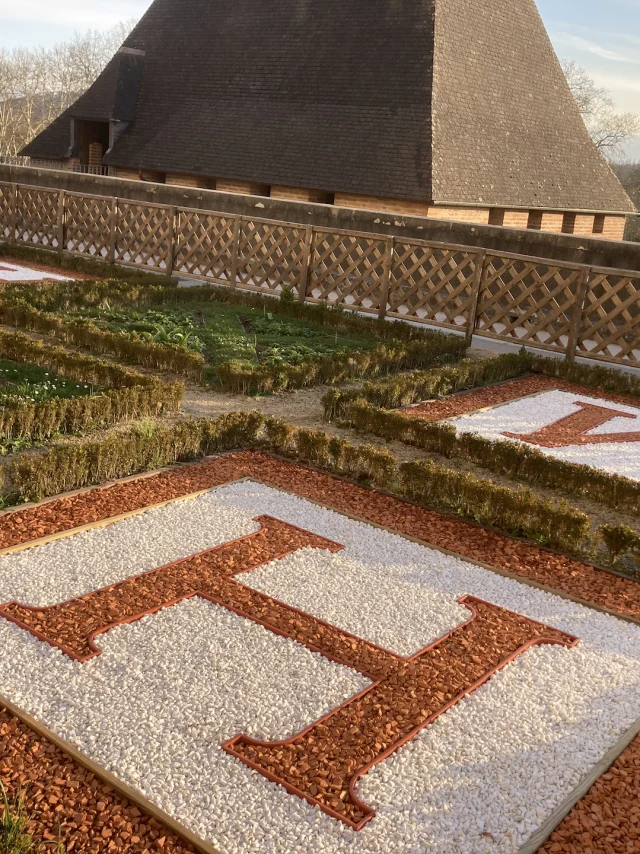
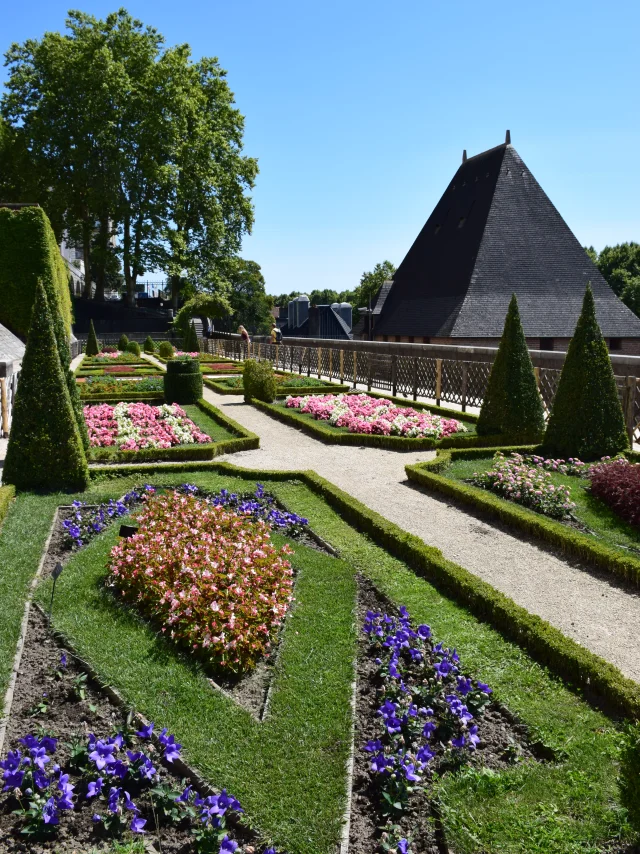
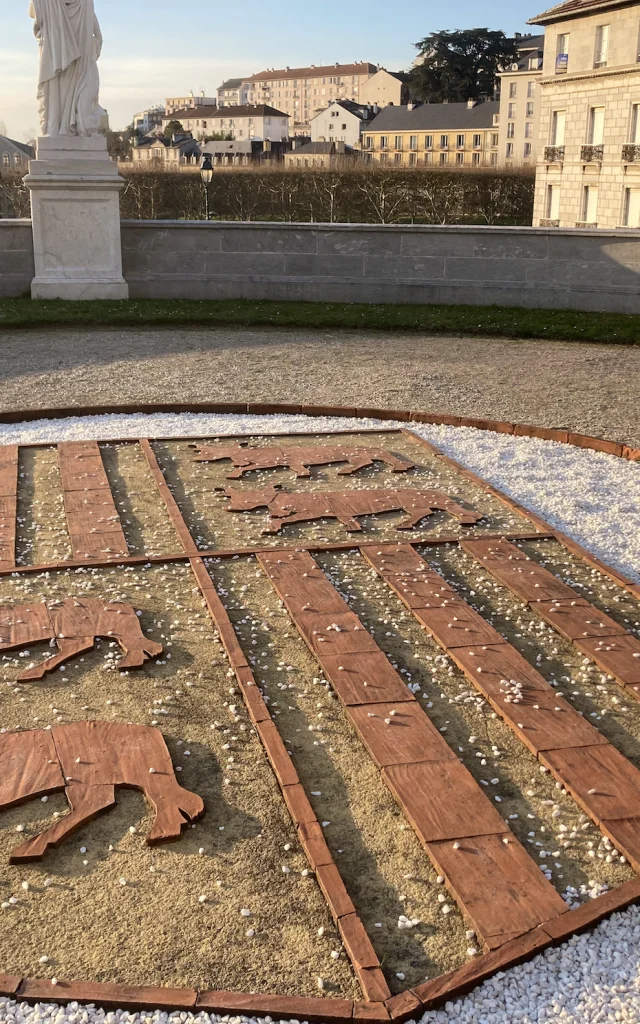
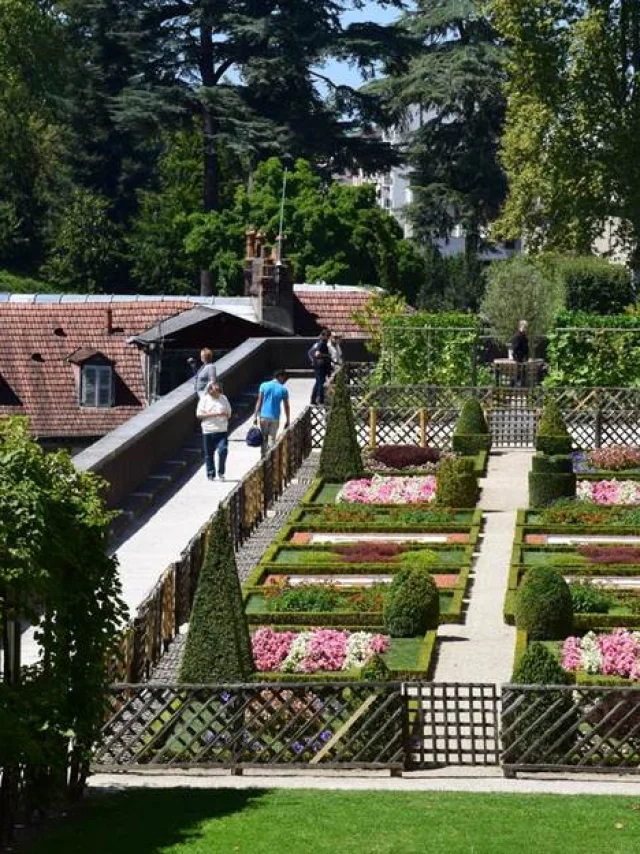
Gaston Fébus’s ‘Jardin du Midi’ already stands out for its beauty. In the 16th century, Antoine de Bourbon and Jeanne d’Albret would bring the château’s parks and gardens to their full potential: they would inspire Henri IV in the design of his gardens in the Île-de-France region.

The royal estate at Pau has been enhanced over the centuries under the care of the kings of Navarre:

  • The Petit Jardin surrounding the château, with its arbours and covered gallery;
  • The Lower Garden with its topiary artworks;
  • The Upper Garden, with orchards criss-crossed by canals;
  • The Petit Parc, enclosed by walls, where the ‘Madame’s’ path leads to Jeanne d’Albret’s pavilion.

They have enchanted visitors down through the centuries:

  • In 1418: The Lord of Caumont described Pau Castle and spoke of a “beautiful garden” with “a lovely fountain”.
  • In 1598: Jacques Esprinchart, a student from La Rochelle on his tour of Europe, described them as “the most beautiful [he had seen] anywhere in Europe”.
  • In 1644: A visitor spoke of a “considerable garden” with “prodigious trees”…

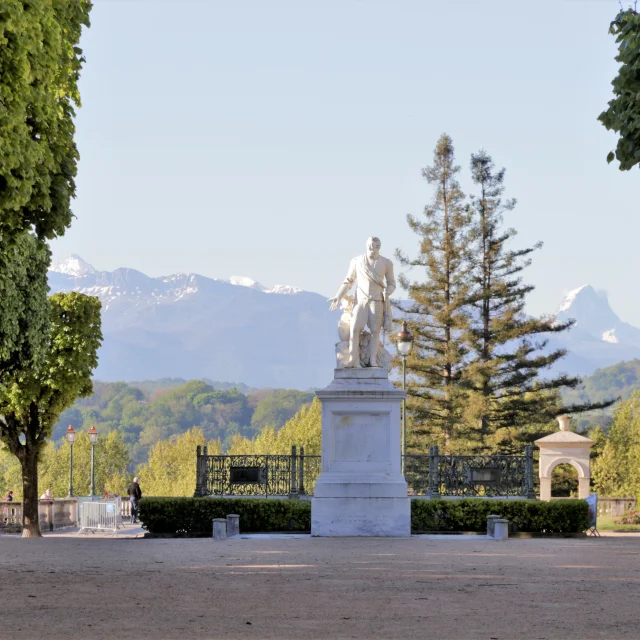
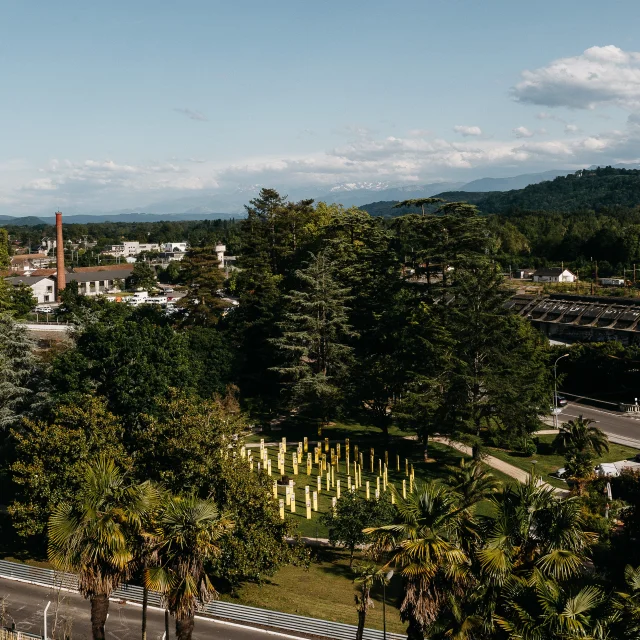
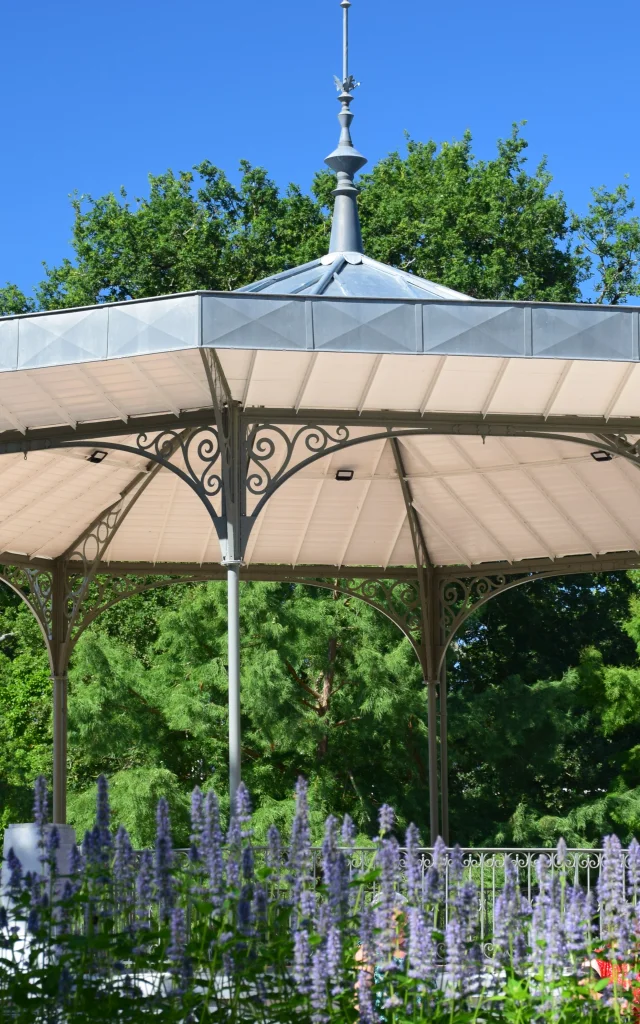
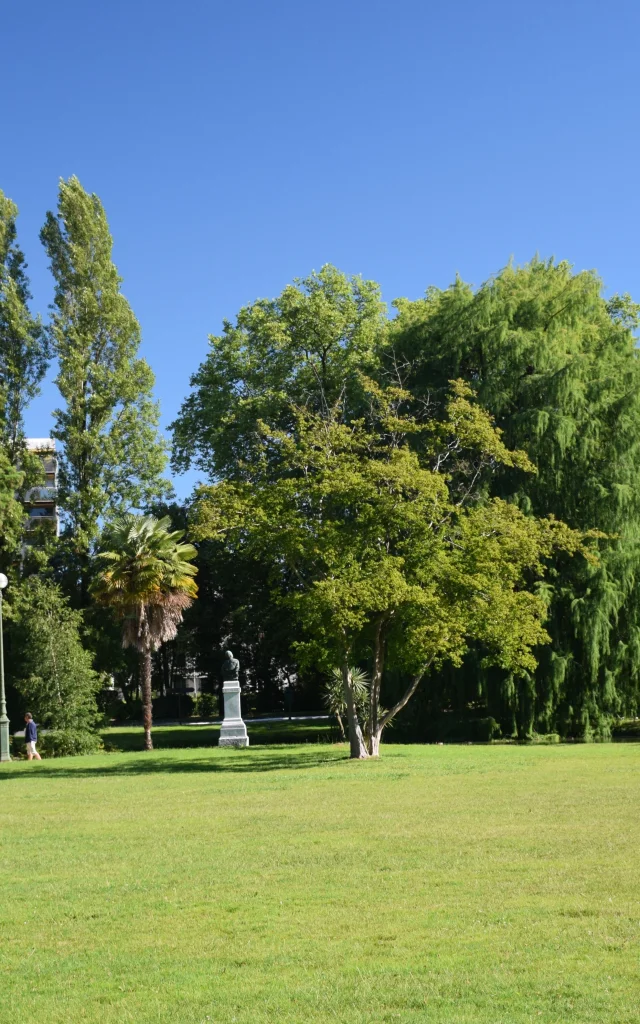
Today, the 22 hectares of the National Estate form the green heart of Pau, a lovely place to stroll!

With the family

Take the whole family on a journey through history: it’s sparkling and beautiful, you’ll learn some amusing anecdotes, and afterwards you can go for a run along the park’s paths. Parents and children alike are sure to love this visit!

When it rains

The perfect outing, whether the weather is grey or sweltering. The castle’s dazzling gilding will warm your heart, and the constant temperature will clear your head!

Without a car

The Château district is a pedestrian zone. Please park in the council car parks before coming to explore the château!

Nature in the City

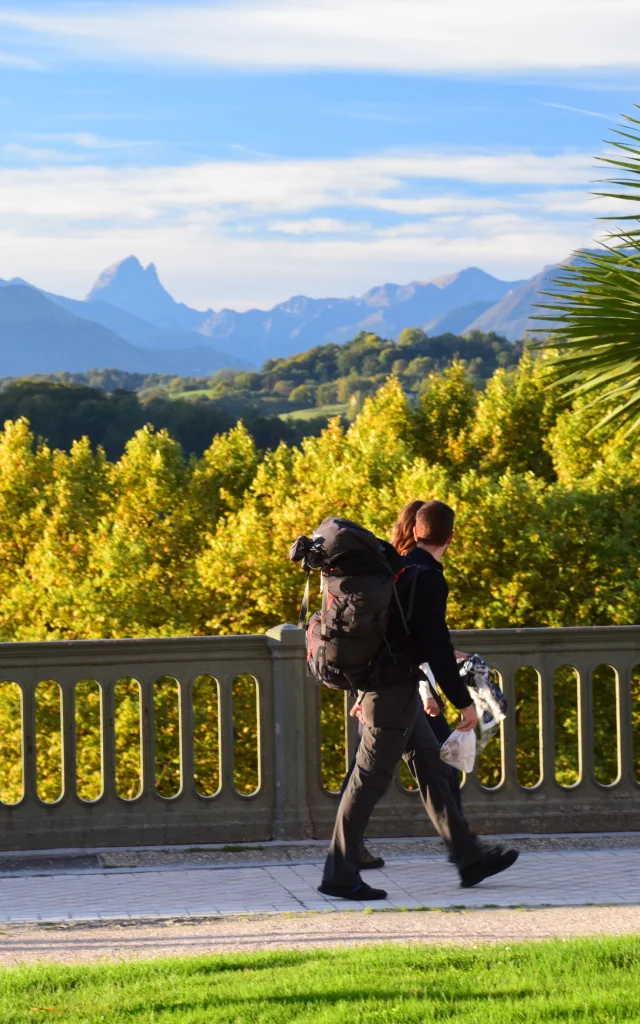
Take the time to go for a long stroll around the château grounds. Pack a picnic – the children will be able to let off steam and you’ll get to enjoy a break in the countryside before heading back up the Boulevard des Pyrénées!

The Parliament of Navarre

Béarn was for a long time an independent state, with its own institutions, the‘Estates of Béarn’, which were attached to the Kingdom of Navarre and had their own laws. In 1620, they were incorporated into the French Crown, and the Estates of Béarn became the Parliament of Navarre,‘seated in Pau’. Today, it remains a symbol of Béarn’s incorporation into the French Crown. The kings of France thus became kings of France and Navarre.
Following the dissolution of the Parliament in 1789, the building continued to house the administration of justice until 1856. It has since served many different purposes and today hosts the meetings of the Pyrénées-Atlantiques Departmental Council.

The Castle District

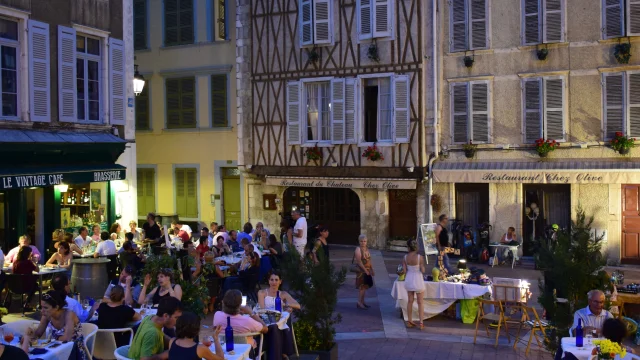
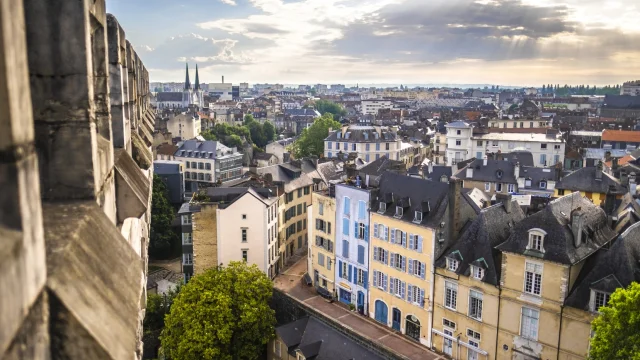
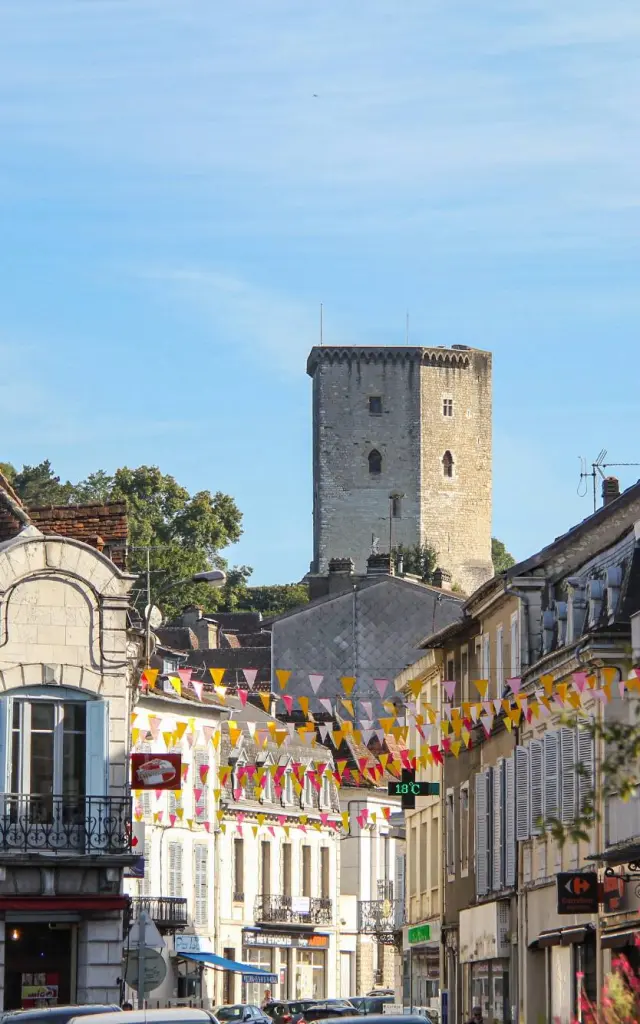
The castle district is a charming pedestrianised area where the half-timbered houses and cobbled streets evoke a medieval atmosphere. Situated between the Hédas and the Boulevard des Pyrénées, it overlooks the Gave de Pau and the Monnaie district: the top of the Monnaie Tower is level with the castle gardens.

We love strolling through this historic quarter with its terraces, tea rooms, restaurants and little shops.

Pau Castle and the medieval quarter FAQ The historic centre