©

Funicular - Pau

|

Pau Pyrénées Tourisme / ST

The funicular At your service

If you’re arriving in Pau by train and wondering how to get to the city centre, there it is, right in front of you, a sight from another era: the funicular. A true local historic landmark, it has been part of the landscape for over a hundred years, hasn’t aged a bit, and is still going strong!

Getting there

Construction updates

A means of transport Original, sustainable and free

The funicular is an integral part of Pau’s urban transport system. Every year, nearly 500,000 passengers use it free of charge to travel between the railway station and its neighbourhood in the city centre.

The sight of the little carriages gliding through the palm grove lends it a delightfully old-fashioned charm in a timeless atmosphere, during this short journey up to the upper town (3 mins).

With services running every three minutes, you won’t have to wait long to catch one!
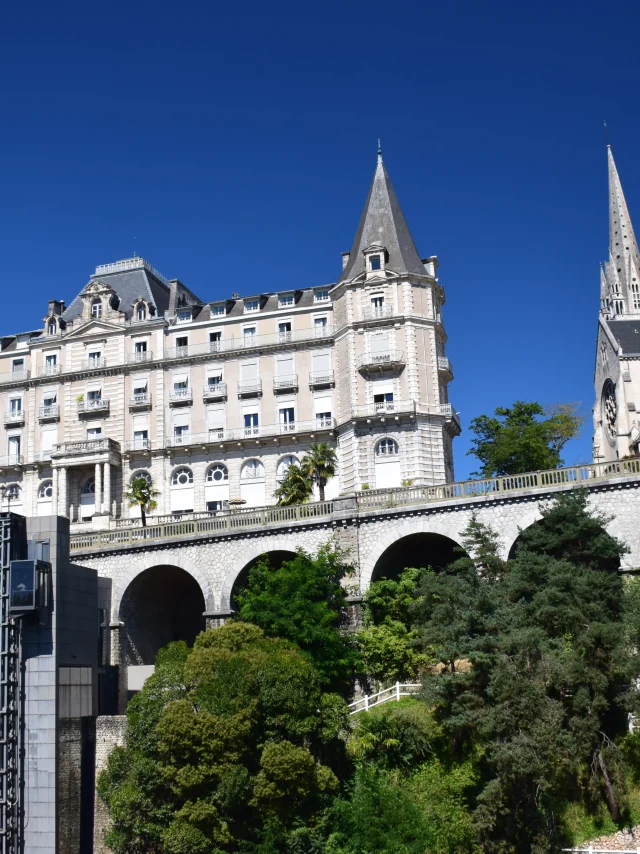
Among the palm trees

With the construction of the funicular railway, the route between the station and the Boulevard des Pyrénées will also be developed.

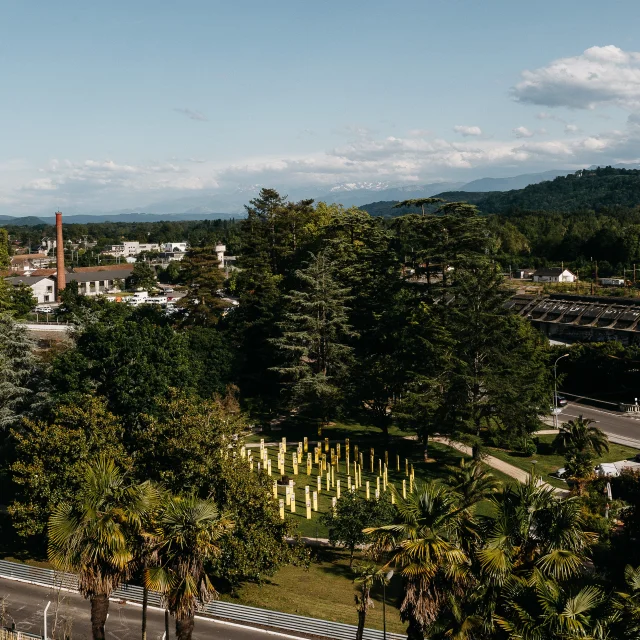
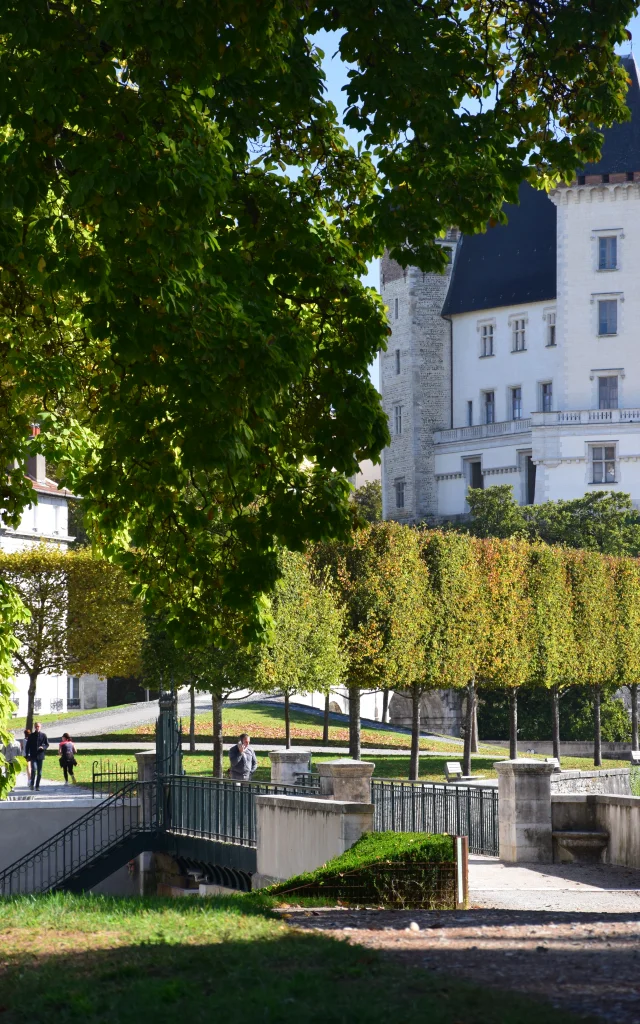
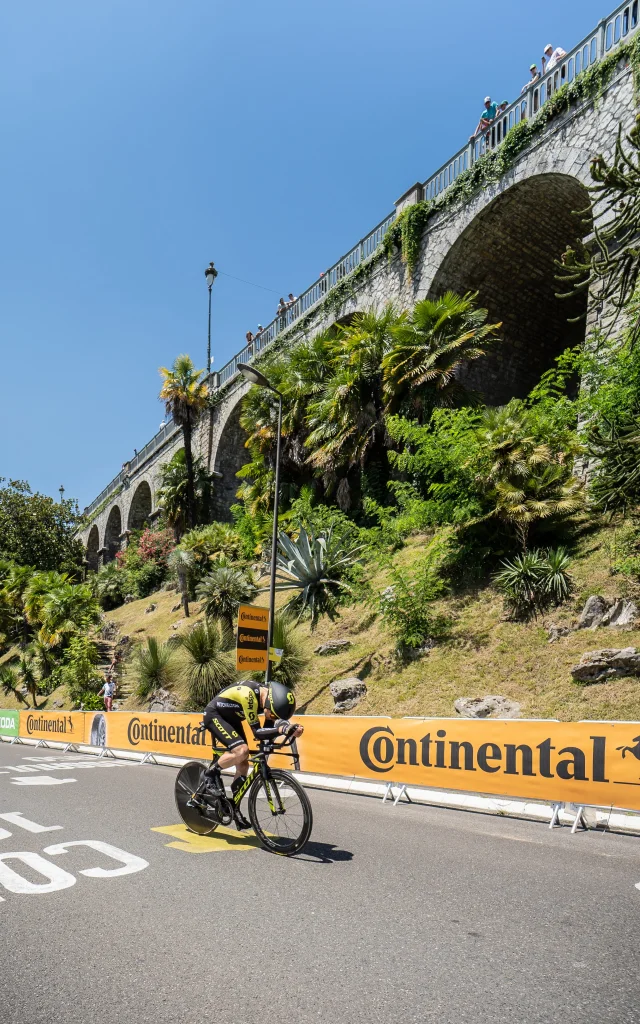
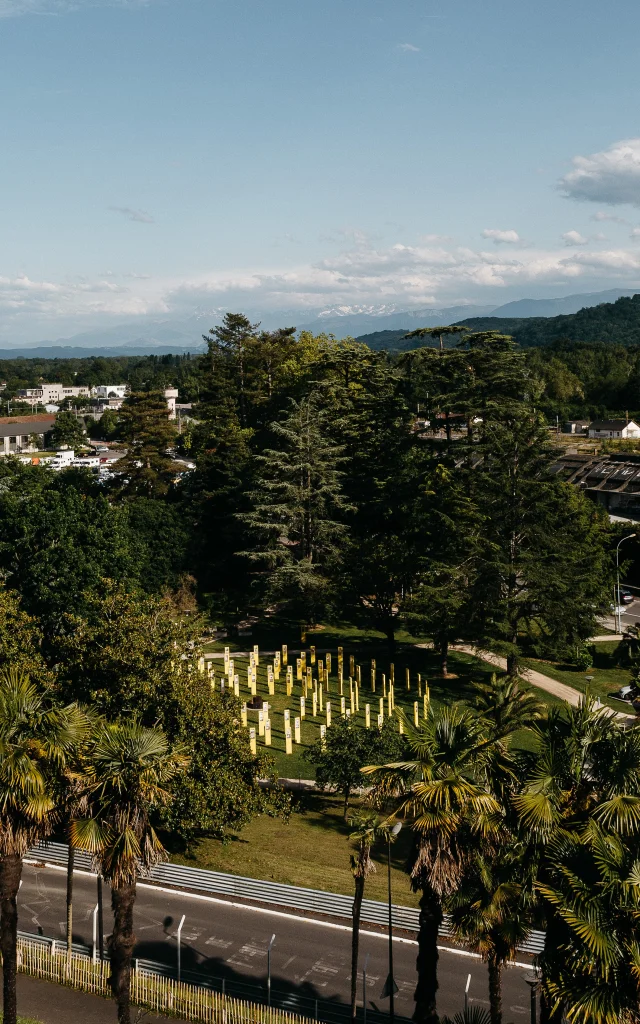
The ‘Sentiers du Roy’ were created, comprising a network of paths and stairways leading from the foot of the castle to the Palais Beaumont. In keeping with the spirit of the health resort, it was decided to landscape the slope: it would become a palm grove.
Today, as in the past, it adds an unexpected and welcome touch of exoticism, and has become an iconic feature of the capital of the Béarn region.

“Looking at these palm trees, you’d think you were in an African city.” Louis de Joantho, the local councillor behind the palm grove

Connecting the station to the upper town Originally

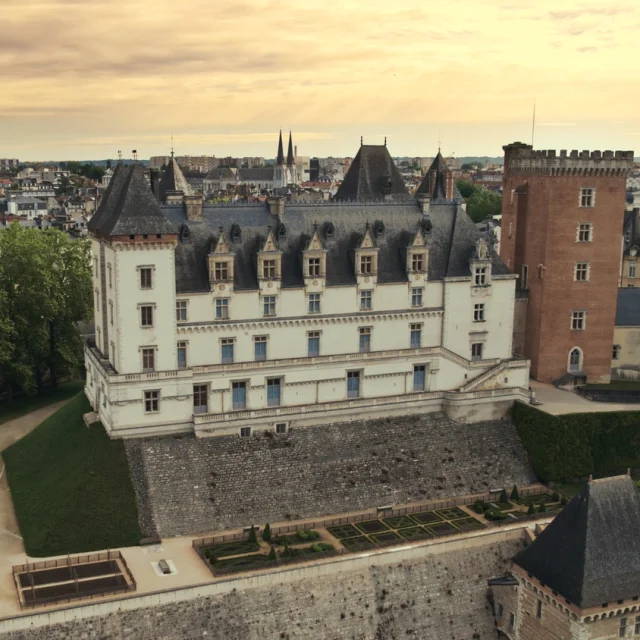
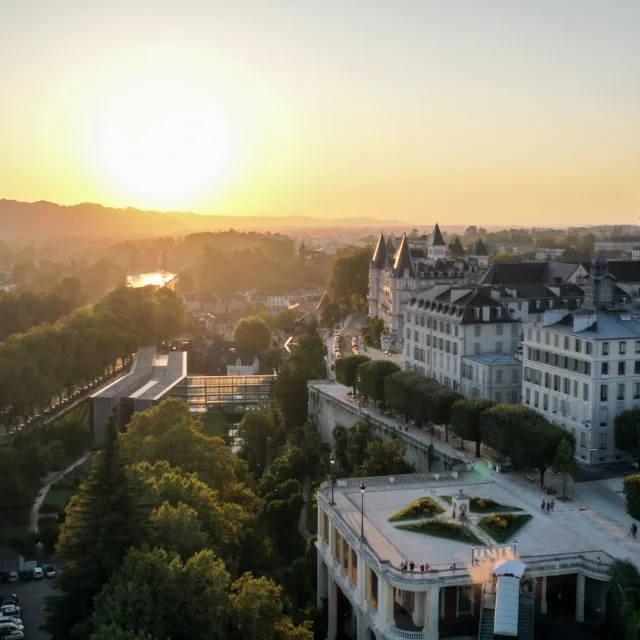
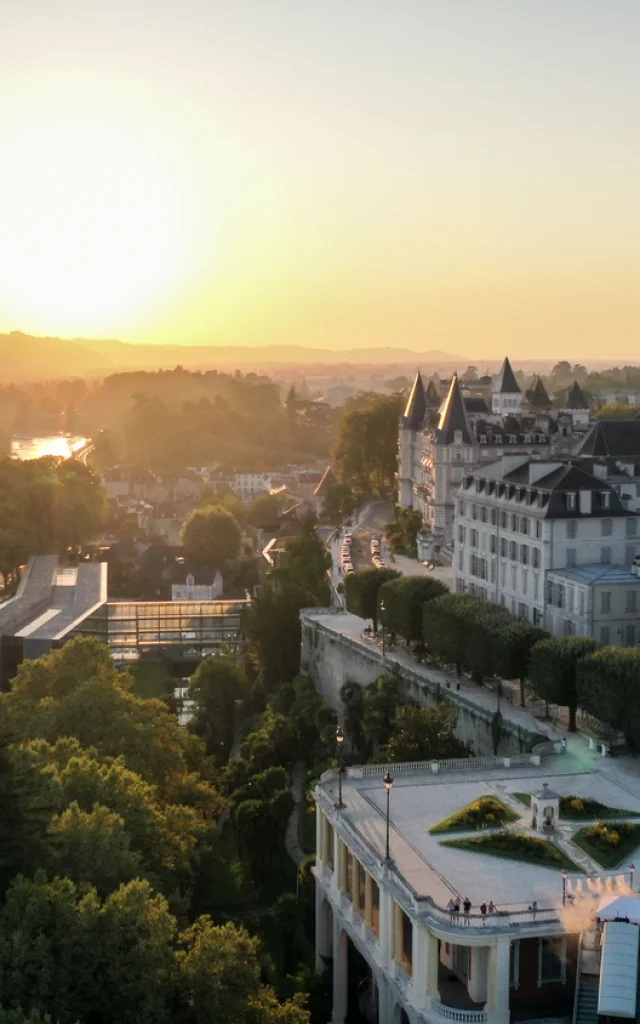
Pau is built on a rocky outcrop that divides the town into two distinct levels. The ‘lower’ part comprises the neighbourhoods around the station, the Place de la Monnaie and Hédas, whilst the ‘upper’ part is home to the main part of the town centre and the castle.

In 1863, the first train pulled into Pau station. Travellers then had to make their way to the city centre via an uncertain path that climbed from the station towards the heart of the city. The steep gradient made it difficult to reach the Place Royale and the row of fine hotels awaiting their wealthy guests.

Free

Whether you’re with your family or on your own, with your dog or on your bike… no ticket needed – the funicular is free!
Timetable

Monday to Saturday
6.55 am to 1.50 pm and 2 pm to 9.40 pm
Sunday
1.45 pm to 8.50 pm

Departures every 8 minutes

The funicular does not run on 1 January, 1 May and 25 December.

Accessibility

Each four-compartment carriage can carry 30 passengers.

The funicular is accessible to people with reduced mobility.

Energy-efficient

The descending car provides the energy needed to pull the ascending car.

The electric motor is only used to provide the necessary momentum for starting.

Building a funicular railway

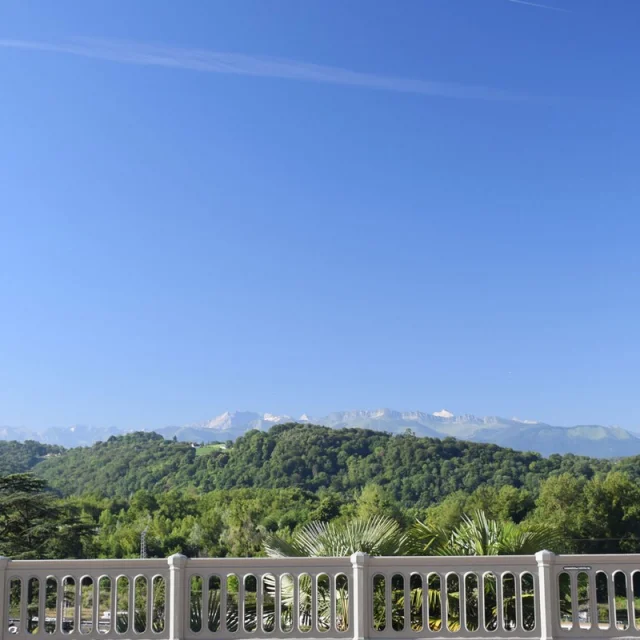
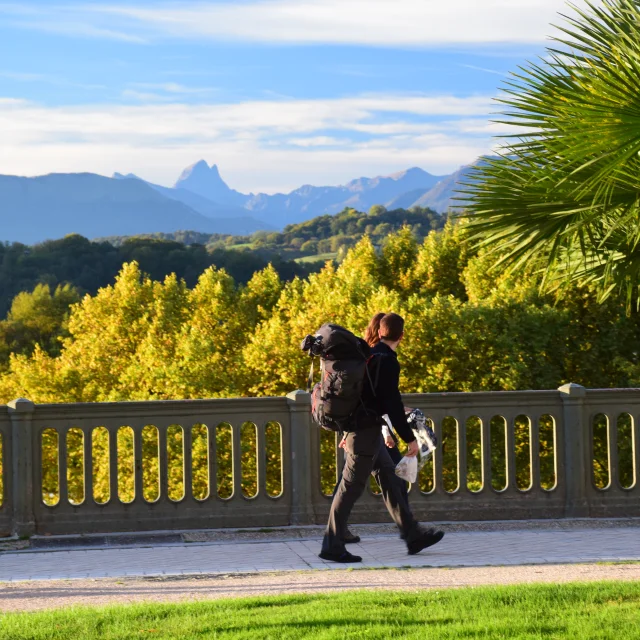
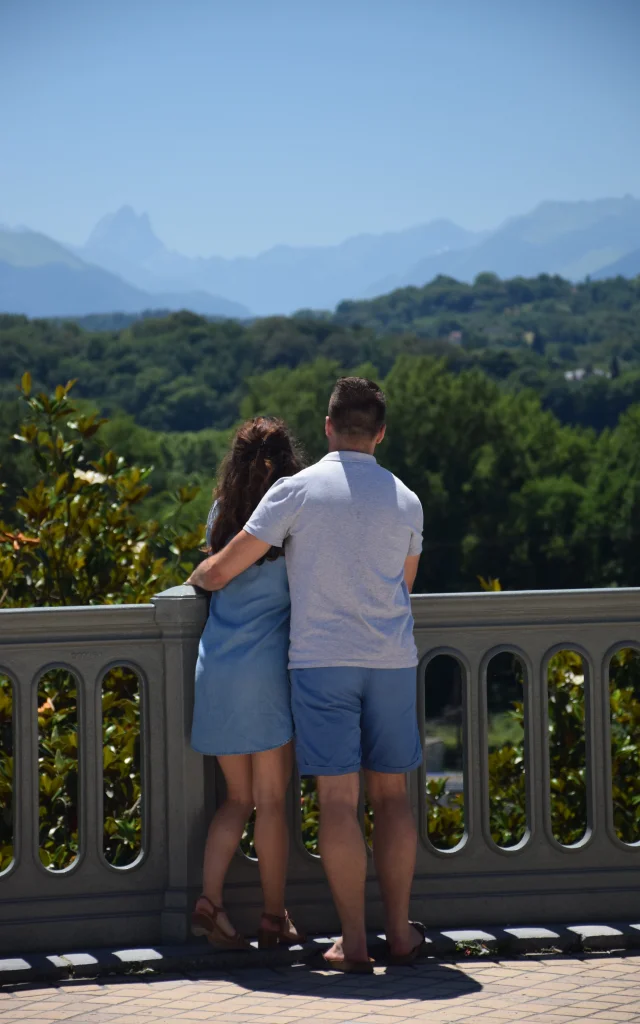
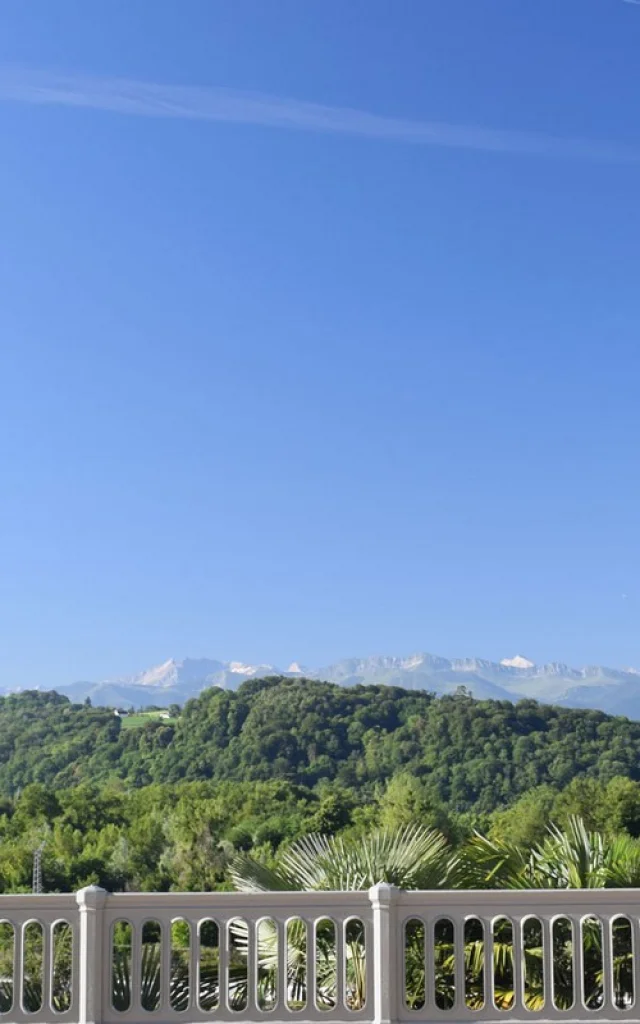
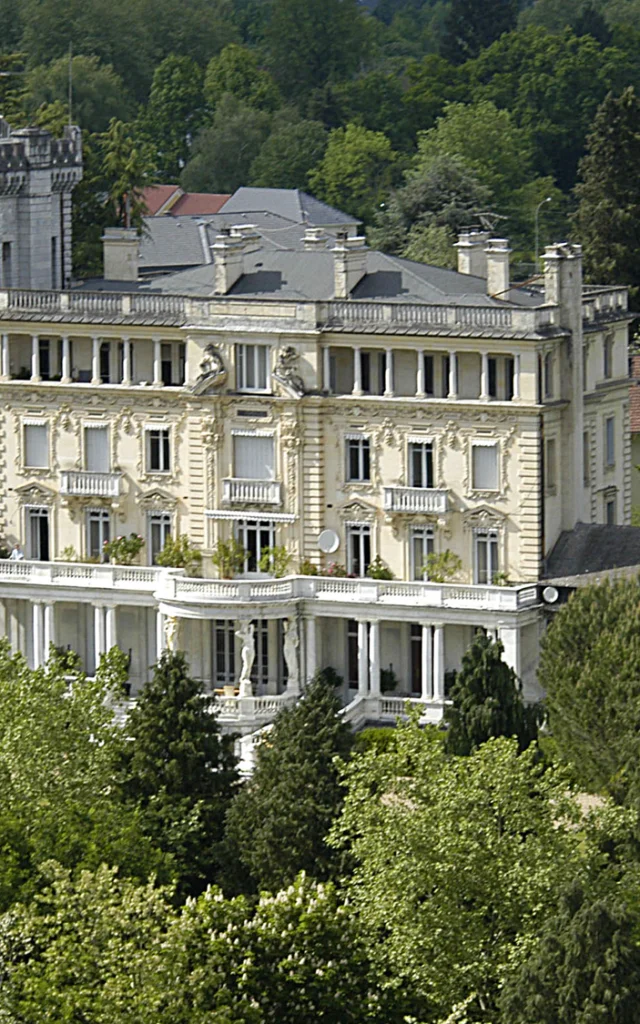
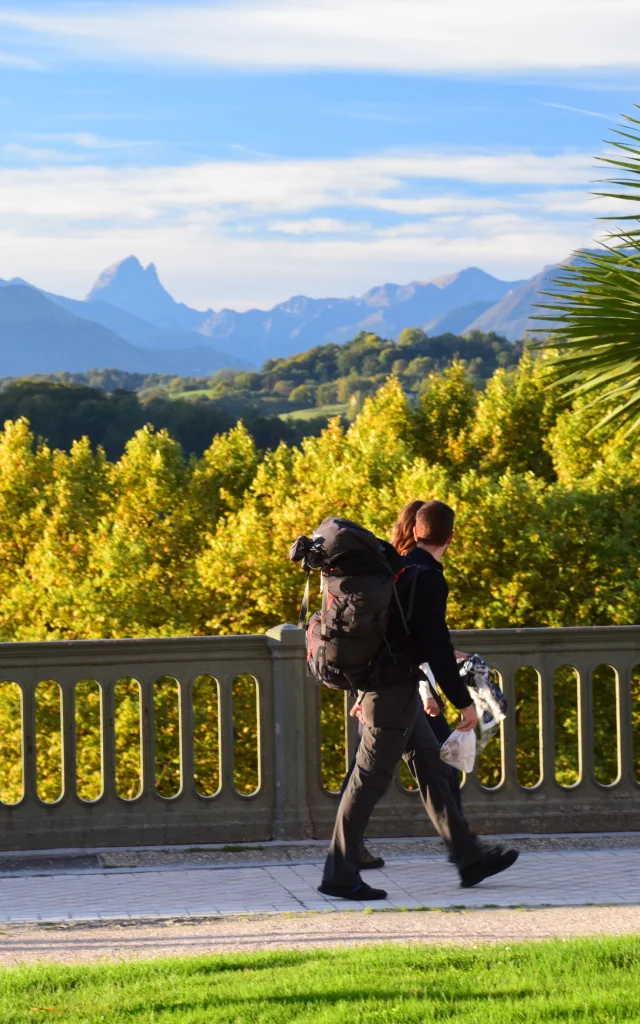
In 1899, a magnificent terrace stretching for nearly two kilometres was created, overlooking the superb panorama of the Pyrenees and lined with beautiful hotels and luxury villas, whilst the station lay below, near the Gave: getting from the upper town to the station was a very tedious affair.

A solution had to be found.

This was achieved by deciding to link the two levels of the town with a funicular comprising two wooden cable cars.

A brief pause, then we’re off again Timeless

In 1970, the funicular was closed as it was unprofitable and poorly maintained.

It reopened in 1978, freshly renovated and free for everyone, and quickly became a must-see attraction in Pau!

Dear to the hearts of the people of Pau, it is now an integral part of the town’s landscape.